The Department of Climate Action, Food and Rural Agenda (DACC) in Catalonia, Spain, has issued new guidelines for implementing agrivoltaic solar farms.
This marks Spain’s first official definition of agrivoltaics, though there is no national consensus on the term as seen in Germany, France, and Italy.
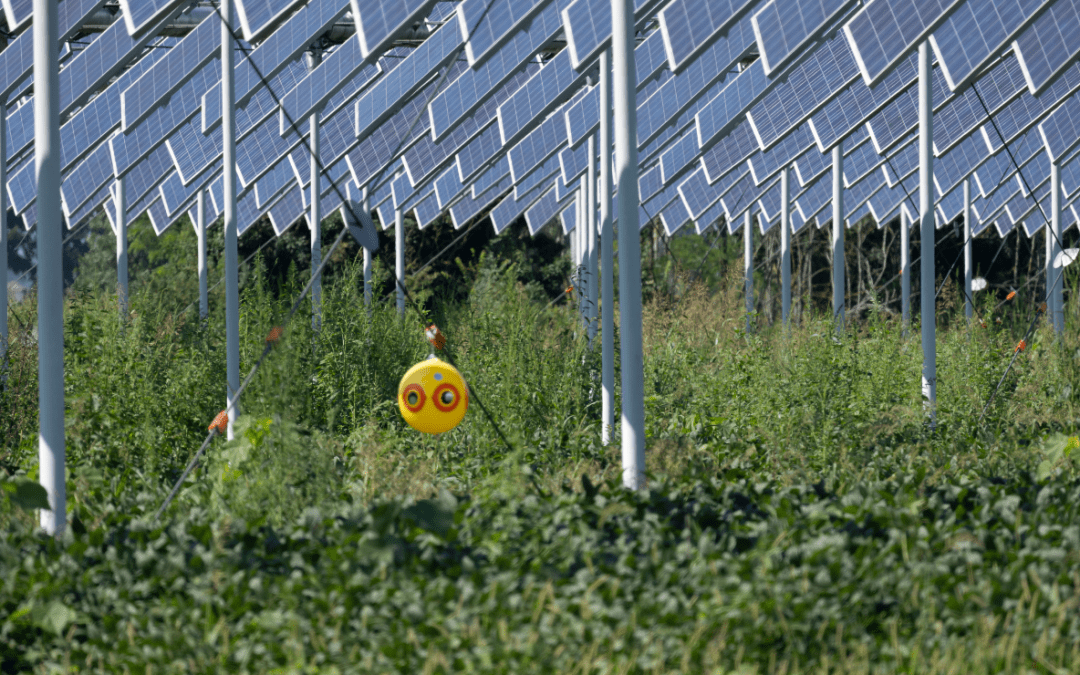
“Agrivoltaics is a hybrid system that combines agriculture and electricity in the same area,” the DACC stated.
The guidelines establish both general and specific criteria related to land use, crop yields, and the different types of mounting systems required for these facilities.
The new rules mandate the continuation of agricultural activities alongside power generation. For example, they stipulate that the agricultural crop yield must remain at least 60% of the total yield across the project area after the installation of agrivoltaic systems.
To compare, France requires a 90% yield retention while Germany mandates approximately 70%.
The guidelines also prohibit installations that disrupt or degrade the natural soil structure, except at transformer stations. Additionally, they limit the loss of usable agricultural land to 15% or 20% of the total project area, depending on the height of the PV panels.
Visit Solar & Storage Live in Barcelona this November to keep up-to-date with everything solar Spain.