by Catie Owen | Jan 13, 2026 | Africa, Innovation, Press Release
Press Release
Solar & Storage Live Africa returns to Gallagher Convention Centre this March, uniting Africa’s energy decision-makers.
Set to be the largest edition in its history, Solar & Storage Live Africa returns to the Gallagher Convention Centre from 25 to 27 March, bringing together Africa’s most influential energy decision-makers, technology leaders and policymakers.
With strong demand from exhibitors, partners and visitors alike, Solar & Storage Live Africa 2026 reflects the growing urgency around energy security, grid resilience and decarbonisation across the continent. Thousands of professionals from utilities, government, mining, heavy industry, farming, commercial property, finance and the installer community will gather to explore practical solutions and forge partnerships that move projects forward.
Now in its 29th edition, the event has evolved into the definitive meeting place for Africa’s energy ecosystem. The 2026 event features an expanded exhibition floor, a strengthened conference agenda and a series of interactive features designed to support investment, collaboration and large-scale deployment.
The event is proudly supported by Eskom as Host Utility Partner, highlighting the importance of collaboration between public utilities and the private sector in strengthening South Africa’s energy system. Industry support is further reinforced by key partners including the South African Photovoltaic Industry Association (SAPVIA), the South African Renewable Energy Business Incubator (SAREBI) and the South African Energy Storage Association (SAESA).
The exhibition will feature more than 650 solution providers showcasing technologies across solar generation, energy storage, power electronics and smart energy systems. Confirmed exhibitors include global and regional leaders such as Huawei, Sungrow, Victron, Sigenergy, CATL, Herholdt’s, JA Solar and BYD Energy Storage, among many others actively delivering projects across Africa.
Complementing the exhibition is a comprehensive, content-rich conference programme addressing the most pressing issues facing Africa’s energy transition, from electricity policy and large-scale procurement to corporate decarbonisation and private-sector investment.
The 29th edition speaker line-up includes senior leaders from government, mining, manufacturing, property and renewable energy development, including:
- Mvumikazi Vimbani, Directorate: Electricity Policy, Department of Electricity &
- Energy
- Matthew Whalley, Managing Director, Green Living, Balwin Properties
- Franck Wandji, Group Executive: Commercial, ArcelorMittal South Africa
- Nishi Haripursad, Group Head of Environment, Sustainability Department,
- Harmony Gold
- Avesh Padayachee, Founder and CEO, Fibon Energy
- Gqi Raoleka, Co-founder and CEO, Pele Energy Group
- Thembani Bukula, CEO, PowerX
- Frank Spencer, CEO, SBG.Earth
Key show features for 2026
- Outdoor EV Showcase featuring electric vehicles, EV charging solutions and supporting technologies shaping the future of electric mobility.
- Deal-making on the expo floor, creating opportunities for partnerships, project announcements and commercial collaboration across the energy value chain.
- Startup Zone showcasing early-stage companies introducing innovative technologies, new business models and creative solutions for the energy transition.
- Installers University delivering practical, real-world insights into energy installation projects, from residential systems to large-scale commercial applications.
As part of the global Solar & Storage Live series delivered by Terrapinn, the Africa edition continues to play a critical role in driving investment, skills development and clean energy deployment across emerging markets.
Professionals from across the entire energy ecosystem, including utilities, policymakers, developers, investors, technology providers, installers and large energy users, are invited to attend and be part of the conversations shaping Africa’s energy future.
ENDS
Event details:
Solar & Storage Live Africa 2026
25–27 March 2026
Gallagher Convention Centre, Johannesburg
For further information and to register, please visit:
https://www.terrapinn.com/solarafrica
Media enquiries:
Manas Sahu
Marketing Manager
manas.sahu@terrapinn.com
Want to publish a press release? Submit your content here for review by our editorial team.
by Catie Owen | Jan 6, 2026 | Asia, Everything Installer, Innovation, Press Release
Press Release
LONGi has been recognised by CDP, the global environmental non-profit, for its leadership in corporate transparency and performance on water security, securing a place on CDP’s respected annual ‘A’ List, and scored ‘B’ Management Level for Climate Change for the third year, demonstrating long-term commitment and professional expertise in water resource management as well as outstanding performance in sustainable development management.
Achieving an ‘A’ place LONGi among the global leaders demonstrates comprehensive disclosure, mature environmental governance, and meaningful progress towards environmental resilience.
CDP operates the world’s only independent environmental disclosure system and assesses thousands of companies each year. In 2025, nearly 20,000 companies were scored, out of more than 22,100 reporting through CDP’s platform. In 2025, 640 investors with $127 trillion in assets asked CDP to collect data on environmental impacts, risks and opportunities.
It evaluates companies’ depth of reporting, understanding of environmental risks, and evidence of best practice – including ambitious target-setting and verified action.
LONGi recognises that water is not merely an essential resource for production, but also a fundamental pillar for ecosystem health and community prosperity. LONGi has consistently integrated water resource management into the core of our corporate sustainable development strategy, establishing and implementing systematic water management policies that cover the entire process from production operations to the supply chain.
At the same time, we believe that transparent communication would earn stakeholders’ trust and help us jointly address global water challenges.
Since 2021, LONGi has consistently participated in the CDP Water Security and Climate Change questionnaires, disclosing its ESG management goals and progress. After LONGi achieved the leadership score (A-) in water security for the first time, we have continued to increase investments in water resource management.
Finally, in 2025, with outstanding leadership in water resources management, LONGi received the highest leadership score in the 2025 water security questionnaire for the second year and was included in the prestigious annual ‘A’ List.
In 2024, LONGi strengthened sustainable water resource management, improved water efficiency, and established water resource management policies and water-saving requirements to reduce wastewater generation and discharge.
During the operation, LONGi continues to optimise its water-use structure and advance water-stress assessments for the rational development and efficient utilisation of regional water resources through water-saving technological upgrades, wastewater treatment and reuse projects, and other related initiatives, improving water-resource efficiency at production sites while reducing wastewater discharge. In 2024, we conducted water resource risk assessments at all operational locations and formulated water-saving policies and plans, clarifying water-saving targets.
In 2024, the Group’s overall water use intensity target1 was to decrease 13.8%, compared to 2023, while the actual decrease was (meeting the target)24.8%
In addition, LONGi monitors the water footprint of products and has joined the LWFI1, collaborating with value chain partners to alleviate local water resource pressures. We establish water footprint management plans by product type, monitor product water-use intensity, and explore the construction of “zero wastewater discharge” factories.
In 2024, by analysing the water-saving potential of all production stages and employing alternative water measures such as grey water recycling, concentrated water recycling, and rainwater recycling, the reduction rate of water use intensity was considerably reduced in monocrystalline silicon, wafers, and cells compared to 2023, especially in the cell sector, with an actual reduction of 44.5%.
Water is the source of life and the core of sustainable development. LONGi will continue to uphold its commitment to water security with high standards, driving efficient water resource utilisation through technological innovation to protect every precious drop of water on this blue planet for a sustainable future for humanity.
Want to publish a press release? Submit your content here for review by our editorial team.
by Catie Owen | Jan 5, 2026 | Americas, Commercial & Industrial Solar, Innovation
Alphabet, the technology conglomerate behind Google, has announced an agreement to acquire Intersect, an independent power producer that provides industrial-level projects with hybrid power generation.
The acquisition is for $4.75bn in cash plus the assumption of debt.
Google’s acquisition of Intersect is designed to increase the speed at which data centre and generation capacity come online. The deal includes Intersect’s workforce and several gigawatts of energy and data centre projects currently under construction or in development through an existing partnership with Google.
The news comes as companies expand their data centres to keep up with the increasing demand for accessible AI, with some looking to renewables to manage the technology’s vast energy consumption.
At the end of 2025, Google entered into a 21-year Power Purchase Agreement with multi-energy company TotalEnergies to supply renewable energy to Google’s Malaysian data centre.
Sheldon Kimber, CEO and Founder of Intersect, noted that “Modern infrastructure is the linchpin of American competitiveness in AI. We share Google’s conviction that energy innovation and community investment are the pillars of what must come next.”
Operational structure
Intersect will work closely with Google’s technical infrastructure team on joint initiatives, including a co-located data centre and power site currently under construction in Texas.
Sundar Pichai, CEO of Google and Alphabet, said: “Intersect will help us expand capacity, operate more nimbly in building new power generation in lockstep with new data centre load, and reimagine energy solutions to drive US innovation and leadership.”
Specific assets are excluded from the transaction, including Intersect’s existing operating assets in Texas and its operating and in-development assets in California.
These will continue to function as an independent company supported by its current investors, TPG Rise Climate, Climate Adaptive Infrastructure, and Greenbelt Capital Partners.
[Image credit: Intersect]
by Catie Owen | Jan 5, 2026 | Commercial & Industrial Solar, Europe, Innovation
Swiss International Air Lines (SWISS) and the cleantech company Synhelion have entered into a long-term offtake agreement for sustainable aviation fuel (SAF).
Beginning in 2027, the airline will purchase at least 200 tons of solar-derived jet fuel annually.
The agreement establishes SWISS as the first airline to sign a binding five-year contract with Synhelion, supporting the commercial scale-up of synthetic fuel production. Under the partnership, SWISS acts as a customer, investor, and strategic partner.
“The partnership with Synhelion is a significant step for SWISS on the path to decarbonising our flight operations,” said Jens Fehlinger, CEO of SWISS.
“Sustainable aviation fuels (SAF) are a core element of our sustainability strategy. The offtake agreement with Synhelion sends a strong signal for innovation and responsibility in aviation.”
Creating synthetic solar fuel
In 2024, Synhelion inaugurated DAWN: calling the project ‘the world’s first industrial plant for the production of solar fuels’. The company creates Sustainable Aviation Fuel (SAF), solar diesel, and solar gasoline.
Synhelion’s solar fuel production process involves creating renewable synthetic crude oil, or “syncrude,” using solar heat energy and sustainable materials.
This syncrude is processed in existing refineries alongside fossil crude to produce certified Jet-A-1 fuel. The resulting fuel is compatible with current infrastructure and logistics chains, requiring no technical adjustments for delivery to airports.
Solar fuel can be produced and stored for when sunlight is unavailable, much like solar energy storage, giving the sustainable fuel an edge over fossil fuels.
“The fact that SWISS, a leading airline, has committed early on to adopt our fuels demonstrates confidence in the market readiness of our technology,” commented Philipp Furler, Co-CEO and Co-Founder of Synhelion.
“This partnership is a milestone for the commercial market launch of our fuels – and sets a powerful example to other airlines worldwide.”
Logistics
The partnership also involves logistics provider Kuehne+Nagel, which will purchase a portion of the solar fuel from SWISS. The fuel will be used for air freight via Swiss WorldCargo to help cargo customers reduce their carbon footprints.
This long-term agreement follows an initial delivery in July 2025, when SWISS used Synhelion’s solar fuel in regular flight operations for the first time.
That fuel was produced at Synhelion’s DAWN plant and refined in northern Germany before entering the supply system at Hamburg Airport.
[Image credit: Synhelion]
Don’t miss out on Solar & Storage Live Zürich, taking place 16-17 September 2026. Haven’t registered yet? Get your free ticket by securing your place here.
by Catie Owen | Dec 16, 2025 | Europe, Innovation
Italy has allocated over 1.1GW of solar capacity in a landmark tender reserved explicitly for projects that comply with the European Net Zero Industry Act (NZIA).
The results, published by the energy agency Gestore dei Servizi Energetici (GSE), reveal a highly competitive market ready to support European industrial capacity.
The tender, part of the transitional ‘FER X’ regime, required projects to use modules meeting strict EU manufacturing standards, effectively excluding Chinese-origin components.
Despite these supply chain constraints, demand was robust: 157 applications were submitted, totalling 1.84GW, with 88 projects ultimately securing support.
Competition
The selection process was driven entirely by price reductions, highlighting a market willing to squeeze margins to secure capacity. Successful applicants offered an average discount of 27.696% against the base operating price, with a maximum registered strike price of €73/MWh.
The most aggressive bids exceeded a 41% discount. Crucially, 34 projects – totalling 335MW – were deemed technically eligible but failed to secure funding simply because their offered discounts (mostly under 20%) were not competitive enough to enter the quota.
While small and medium installations were numerous, significant capacity was awarded to utility-scale projects exceeding 20MW, with some individual plants surpassing 100MW.
Geographically, the results confirmed a strong polarisation towards Southern Italy. Sicily secured most of the large-scale infrastructure, followed by Lazio, Puglia, and Calabria.
According to the GSE, this reflects the availability of suitable greenfield land and high solar irradiance in these regions.
Next steps
The publication of the rankings triggers a 36-month deadline for developers to bring these plants online. For the wider industry, this tender serves as a critical stress test for the EU’s solar manufacturing ambitions.
Interested in Italy’s solar market? Don’t miss your free ticket to Solar & Storage Live Italia – taking place 7-8 October 2026 at the Veronafiere exhibition centre.
by Catie Owen | Dec 16, 2025 | Europe, Innovation
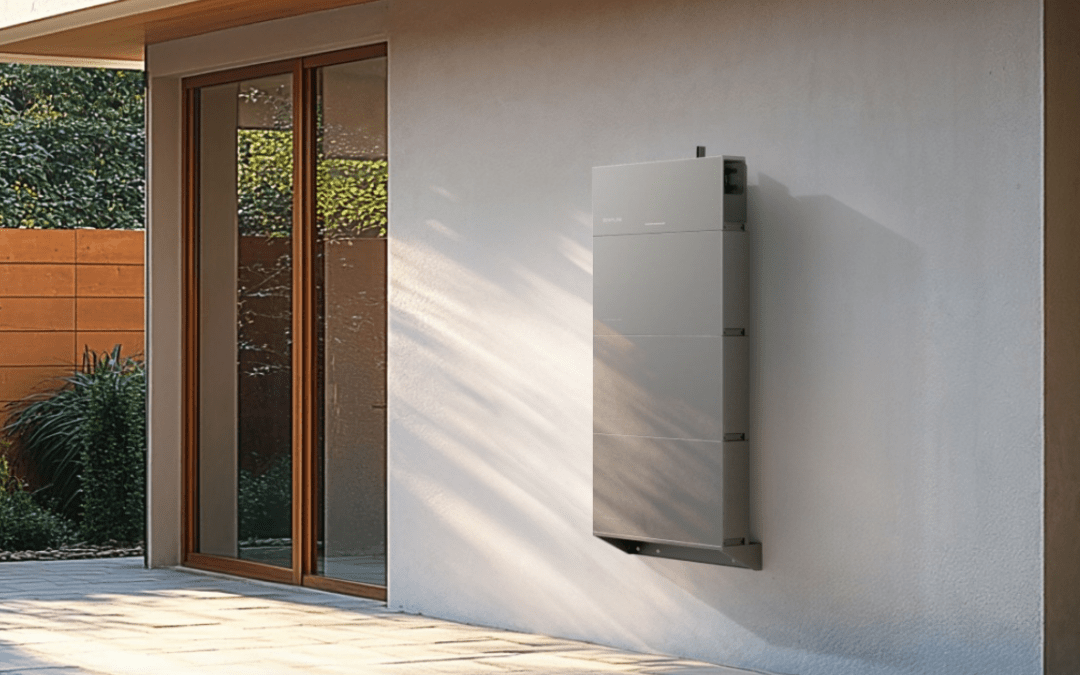
EcoFlow has announced full compatibility between its advanced home energy ecosystem, including the EcoFlow PowerOcean Single-Phase system, and Intelligent Octopus Flux, Octopus Energy’s smart solar-and-battery tariff.
This integration builds on EcoFlow’s existing built-in support for the Octopus Agile and Octopus Flux tariffs in the EcoFlow app.
With the latest upgrade, customers can now connect to Intelligent Octopus Flux, allowing Octopus to automatically manage their EcoFlow system for optimised charging, exporting, and savings.
Once connected through the Octopus app, the Intelligent Octopus Flux tariff assumes complete control of the system’s charging and discharging behaviour. It charges the battery during the most affordable import windows, exports energy during high-peak-rate periods, and helps reduce daytime reliance on the grid.
EcoFlow stated that this “hands-free optimisation increases monthly savings, boosts export income, and delivers a faster and more predictable return on investment for households with solar and a battery.”
Craig Bilboe, EcoFlow’s Country Manager UK, IE, & ANZ, said: “Customers have been asking for EcoFlow to integrate with Intelligent Octopus Flux, and we’re thrilled to deliver it. EcoFlow already supported Agile and Flux within our app, but adding Intelligent Flux brings a new level of automation, safety-led optimisation, and financial benefit to UK households.”
The PowerOcean Single-Phase system, which forms a key part of the compatible ecosystem, features long-life LFP battery technology with more than 6,000 cycles, a dedicated fire prevention module, and a multi-layered battery management system.
Its IP65-rated design supports reliable outdoor installation, and the system offers a 15-year warranty. The system’s capacity is expandable up to 45kWh.
The company concluded that with full Intelligent Octopus Flux compatibility now live, users gain a “fully automated, high-efficiency, high-safety energy ecosystem that actively works to lower bills and enhance home energy returns.”
[Image credit: EcoFlow]
by Catie Owen | Dec 15, 2025 | Everything Installer, Innovation
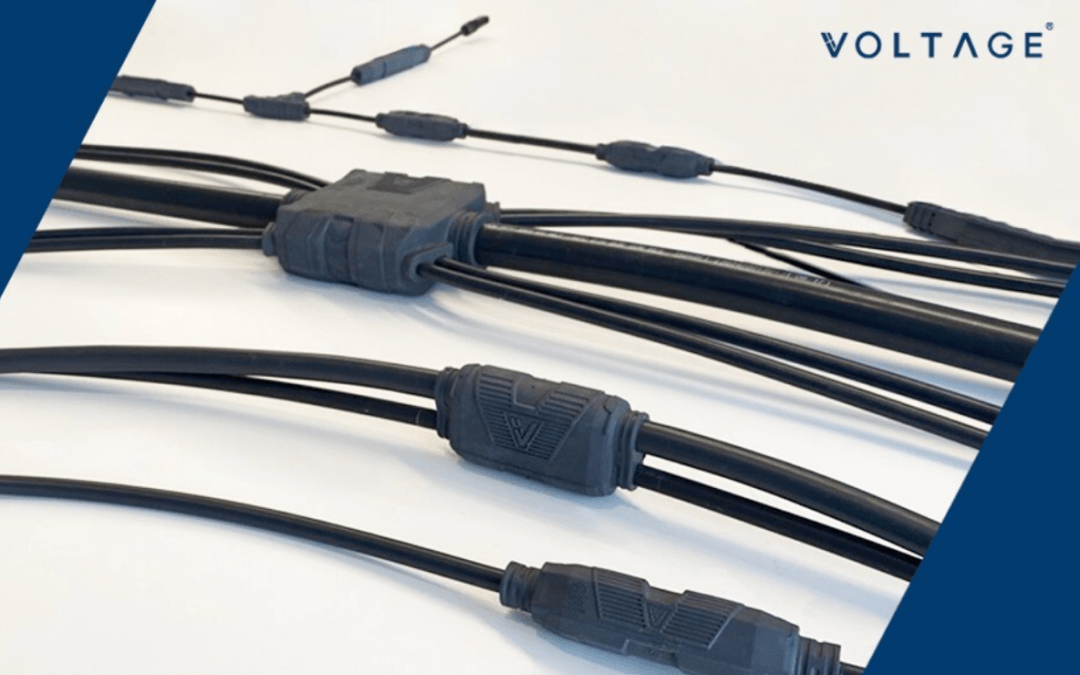
UL Solutions has announced the certification of Voltage Energy Group’s full-system Electrical Balance of System (EBOS) solution for 2kV PV cable applications.
The certification, awarded under UL 9703, covers the company’s LYNX, IBEX, IBEX PLUS, and ALEX product series.
This move addresses a growing trend in utility-scale solar projects to shift from 1,500 VDC to 2kV system designs, which are being evaluated to increase energy yield, reduce capital expenditure (CAPEX), and improve long-term reliability.
The certification confirms that Voltage Energy’s 2kV EBOS system successfully completed UL Solutions’ verification testing for 2kV system requirements. This makes Voltage Energy one of the first EBOS solution providers to achieve system-level certification for a 2kV architecture.
Angel Lopez, Director of Quality at Voltage Energy, stated, “Receiving UL certification for our 2kV full-system EBOS solution reflects our commitment to delivering solutions that help the industry scale next-generation PV designs.”
“Moving to 2kV is not just a component upgrade. It requires coordinated progress across the value chain, with modules, inverters, and EBOS validated together, supported by aligned standards and cross-testing that reduce variability in field deployment.”
Evan Xiao, UL Asian regional GM, said: “UL Solutions is striving to support our customers to explore new innovations and safeguard the launch into the market.”
Xiao added, “Unified system validation and repeatable installation practices are essential to scaling the 2kV ecosystem.
Voltage Energy’s certification demonstrates continued investment in system integration and verification, and it provides the market with a clear reference point for evaluating reliable 2kV deployments.”
Following the certification, Voltage Energy plans to continue supporting engineering, procurement, and construction (EPC) firms and developers with design collaboration, technical onboarding, and training, to help teams adopt consistent engineering and installation approaches for 2kV projects.
[Image credit: Voltage Energy]
by Catie Owen | Dec 9, 2025 | Africa, Innovation, Video
Solar & Storage Live UK 2025 in Birmingham was the essential industry hub where innovators and the energy value chain convened to explore solutions driving the UK’s energy transition.
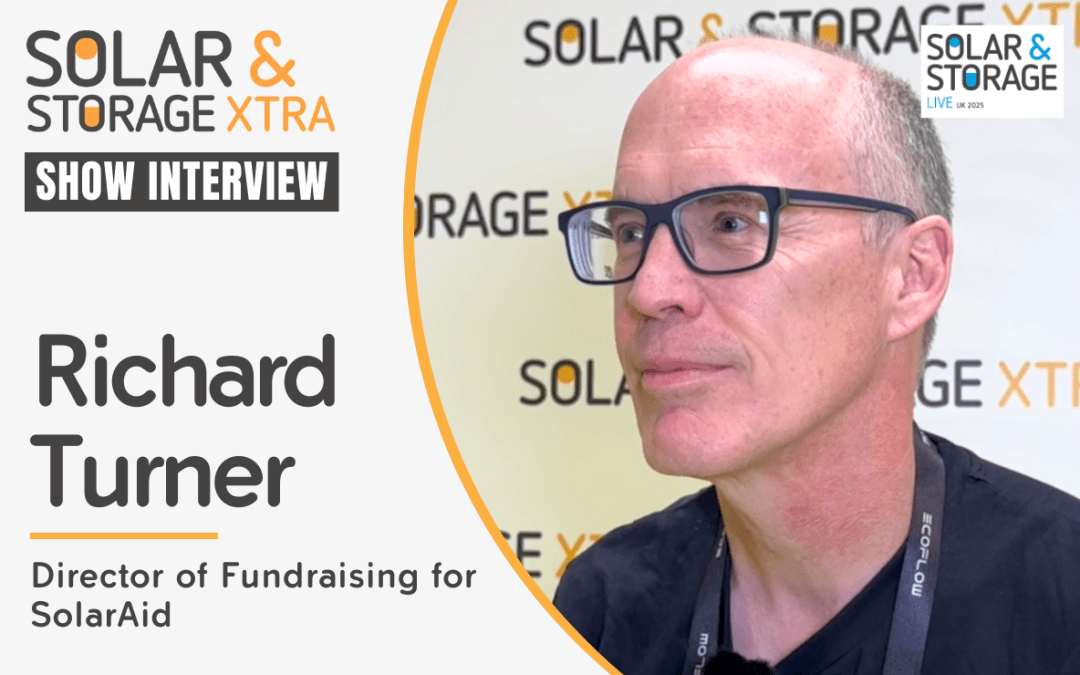
A year after his first interview with Solar&StorageXtra, we caught up with Richard Turner, Director of Fundraising for SolarAid, to hear about the charity’s achievements over the last 12 months.
Richard discussed the success of SolarAid’s ‘Light a Village’ project in Kasakula, Malawi, which has achieved 100% electricity access for one of the poorest communities in the world, and explained its potential for bridging the energy gap for millions across sub-Saharan Africa.
“In contrast to mini-grids, this method of utilising solar home systems allows for rapid deployment and is not significantly constrained by geography.”
Talk to us about the success of your Light a Village project in Malawi.
Kasakula is a community situated in Malawi, and it is recognised as one of the poorest in the country, and Malawi is one of the poorest nations globally.
As such, we deliberately selected this location (in conjunction with the Malawian government) to demonstrate that, if 100% electricity access could be provided to one of the poorest places in Malawi, this achievement could be replicated anywhere.
The Light a Village project has been successfully achieved. The project delivers access to electricity for the first time to many residents; before our intervention, less than 1% of the Kasakula community had access to electricity.
This electricity is financed by the residents through affordable fees, despite 97% of the community living below the poverty line. Therefore, the core challenge was devising a sustainable and workable model for this population.
We devoted significant time to consulting with local leaders, engaging the community, and explaining the concept. The model is fundamentally similar to how most people pay for energy: you don’t pay for the cables or the infrastructure in your home, but you do pay for the energy consumed.
Instead of owning a solar system outright, we install one at no cost to the household, and they subsequently pay a modest daily fee, approximately three pence (GBP), which allows them to activate the unit and have access to lighting. They are also able to charge a mobile phone and potentially a radio.
The initial uptake was significant from the very beginning. We encountered a few unforeseen issues; notably, the rats chewing through the cables, which we had not anticipated.
However, we also gained valuable insights. We discovered that many households would position one of their three provided lights outside their home. When asked about this, they explained that it was a protective measure against the local hyenas!
We proceeded incrementally, starting with 500 homes, then scaling up to 2,500, and this year we successfully reached all 8,813 homes, achieving 100% coverage in Kasakula. We consider this to be a truly significant milestone.
Walk us through the technology and systems SolarAid have brought to Kasakula.
The technology we employ features highly efficient solar home systems. This involves a panel, roughly the size of a laptop, connected to a battery unit, which is mounted on an interior wall of the home.
Once a payment has been made, the unit is activated. The user enters a code to activate it, thereby purchasing seven days’ worth of energy.
The system includes lights which also incorporate wireless switches. Each home receives three of these lights. Furthermore, a battery unit allows for the charging of a radio or a mobile phone, as many residents possess mobile phones.
There are various models available, but we like the one made by Omnivoltaic, manufactured in Hong Kong. We appreciate their willingness to collaborate with us on adaptations. Their model was originally developed for retail, but we require it for a service model, necessitating greater longevity.
Naturally, one component requiring future maintenance, likely after three to five years, is the battery; as such, we are looking to implement enhanced batteries.
To ensure consistent service delivery, we have employed community agents, essentially creating local jobs. They receive a small commission for every payment made, which incentivises them to provide excellent customer care. Throughout the project, we found that the optimal number of customers or households for each agent to manage is 100.
We have community agents who deliver a service directly to the community, with one agent assigned per 100 households. Each agent is also equipped with a specific kit. This includes a graphic displaying the initiative: ‘Light a Village, Kasakula, T/A’, where T/A signifies Territorial Authority.
In fact, Kasakula is named after the Chief, Chief Kasakula, who personally installed the very last light in the 8,813th home. Remarkably, the name of the woman in that household was Charity, which we found particularly apt.
How does working with community agents benefit Kasakulan households?
The community agents are highly effective and mind their customers’ needs. If a replacement is necessary, they manage it because the household does not own the system and therefore bears no risk.
If a lightbulb stops functioning or a battery is somehow faulty, it is replaced at no cost. This is what makes the model viable in a community grappling with such high poverty levels. Moving forward, if we can continue to refine these systems and extend their lifespan, the business model becomes increasingly viable.
We believe this holds immense potential, not just for other regions of Malawi, but throughout sub-Saharan Africa, where 600 million people currently lack access to electricity.
What do you think off-grid solar solutions – such as this project – represent for rural communities worldwide?
We believe the impact is enormous – a paradigm shift. The International Energy Agency (IEA) currently forecasts that by the end of the decade, half a billion people in sub-Saharan Africa alone will still lack access to electricity. This approach can fundamentally alter that prediction.
In contrast to mini-grids, this method of utilising solar home systems, allows for rapid deployment and is not significantly constrained by geography. Traditional grid infrastructure, and even mini-grids, often face challenges due to geographical limitations.
Additionally, the initial cost of deployment for our system is relatively low. We estimate the infrastructure cost to be approximately £100 per household, and the system becomes self-sustaining once the communities begin making payments.
We have established partnerships with other solar enterprises across Africa. The government of Sierra Leone and one of our partners have announced a commitment to reach 40,000 households in Sierra Leone – and have secured funding.
We view this as merely the beginning. We intend to share this model and invite other organisations to participate in this solution. We have established an initiative called REAL, dedicated to enabling others to learn how to develop and implement this energy-as-a-service model.
Can you tell us more about the meet-up session you hosted at Solar & Storage Live UK 2025?
The primary benefit of a meet-up session is the opportunity to network and reconnect with people. SolarAid itself originated from the solar sector. It was founded by a solar business called Solar Century (now acquired), which historically contributed 5% of its annual profits to SolarAid.
A significant number of attendees remember that relationship, including many former employees of that company who now work elsewhere.
As SolarAid has gradually become more widely known, this event serves as a central hub for people to convene, learn about one another’s current activities, receive updates on our progress, and hopefully be inspired to share our story with their own contacts – perhaps within their own organisations.
This type of internal recommendation can sometimes be the decisive factor for a company considering adopting SolarAid as its charity partner.
SolarAid is combating poverty and the climate crisis by collaborating with remote communities on sustainable programmes: creating a local market for solar lights that both provides business opportunities and changes lives for the better.
Donate to SolarAid’s “Big Christmas Challenge 2025” here.
Missed out on Solar & Storage Live UK? Get your free ticket to Solar & Storage Live London – the capital’s most exciting solar event. Or, find a Solar & Storage Live event near you.
by Catie Owen | Dec 3, 2025 | Commercial & Industrial Solar, Europe, Innovation
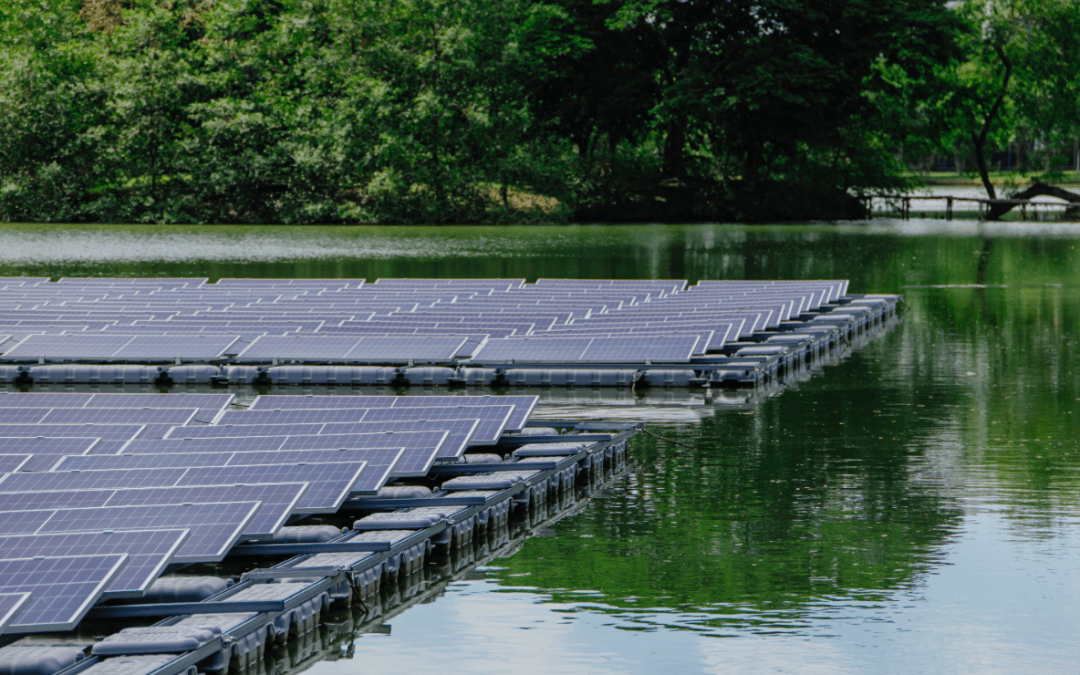
Plans for the UK’s largest floating solar energy project at the Port of Barrow have been approved by Westmorland & Furness Council’s Strategic Planning Committee.
Associated British Ports (ABP), the UK’s leading port operator, confirmed the decision on Monday 24 November, which marks a significant step forward in the company’s commitment to sustainable energy solutions.
The Barrow EnergyDock project involves the installation of a floating solar array of up to 40MWp on Cavendish Dock. This renewable energy source is expected to generate enough electricity annually to power the equivalent of approximately 14,000 homes, with the energy primarily intended for use by the advanced manufacturing sector.
The project aims to help control electricity costs at the port, reduce carbon emissions, and improve energy resilience for local industry.
The installation will feature around 47,000 panels mounted on floating pontoons, fixed at an optimum angle for generation and secured to the dock bed by an anchoring system.
The proposed array would cover around one-third of the dock’s water area. This floating approach is intended to preserve valuable port land for operational and manufacturing uses, supporting local jobs and the wider economy.
Kirsten Abbott, Senior Project Manager (Energy Generation and Storage) at ABP, commented on the development, stating: “We are delighted to receive approval for this landmark project, which represents a significant step towards cleaner, more resilient energy for the region.
Barrow EnergyDock demonstrates our commitment to delivering innovative solutions that support industry and reduce carbon emissions.”
The project not only highlights ABP’s dedication to renewable energy but also underscores its efforts to secure economic growth for the Barrow and Furness area. Bryan Davies, Divisional Port Manager (Northwest and Scotland), added:
“The development marks a major milestone in realising ABP’s exciting plans for the Port of Barrow, which are designed to drive economic growth and support the region’s advanced engineering sector. We look forward to taking this project forward.”
Get your free ticket to Solar & Storage Live London – the capital’s most exciting solar event. Or, find a Solar & Storage Live event near you.
by Catie Owen | Dec 2, 2025 | Electric Vehicles, Innovation, Video
Solar & Storage Live UK 2025, the nation’s largest event for renewable energy innovation, built anticipation for the technologies redefining our power landscape.
Amidst the buzz, we sat down with Cameron Millar, Application Engineer for Eaton, a company actively championing the distributed energy future. In this interview, Cameron outlines Eaton’s mission to transform static energy consumers into dynamic prosumers, driving the concept of “buildings as a grid”.
He also shares his perspective on the most impactful emerging technologies set to revolutionise both storage and EV charging, particularly the promise of solid-state batteries and megawatt charging.
“The current limitations in battery technology revolve around weight, size, and energy density. As these technologies improve over time, we gain more energy per kilogram.”
What is the role of Eaton in the industry?
Cameron: Eaton is fundamentally focused on advancing the idea of buildings as a grid.
Our core role is to encourage people to view their premises as a potential energy hub, making them less dependent on the main grid and enabling them to become prosumers, individuals or entities that both produce and consume their own energy.
This concept is realised by integrating on-site renewable energy, such as solar or wind power, with battery storage systems. Since adequately sized solar arrays often generate a substantial surplus, the storage captures this excess energy for later use.
Additionally, installing EV chargers allows the stored or generated excess power to be utilised for vehicle charging. We tie all these components together with an energy management system to ensure optimal energy flows.
This system allows us to implement predictive control. For example, by ensuring batteries are empty to maximise solar capture on a predicted sunny day or dynamically managing EV charging loads to prevent high building demand from overloading the system. We treat the entire building as a holistic energy ecosystem.
What are you showcasing at Solar & Storage Live UK?
Cameron: At the exhibition, we’re highlighting Eaton as a one-stop shop for comprehensive energy solutions. We are showcasing a wide range of products covering both AC and DC charging, from low-power solutions to high-power units, alongside our integrated battery storage systems.
Specifically on the stand, we have our Duo AC charger (2x22kW), various DC chargers, including the 22kW mobile unit and fixed 30kW and 60kW DC chargers. We also feature the ChargePoint CP6K charger, following our recent partnership.
Completing our display is our xStorage Hybrid BESS. Essentially, we are demonstrating that Eaton is the source for all necessary components: power distribution, EV charging, and energy storage.
Talk to us about the commissioning challenge happening this week.
Cameron: We are running a commissioning challenge onsite to underscore how simple and user-friendly our installation process is – we are ultra confident in the ease of commissioning our chargers!
The challenge uses our Green Motion Building AC charger (7.4kW up to 22kW). We challenge installers to take the unit from a full factory reset state, fully commission it, connect it to the charge point back end, and initiate a charge session within five minutes.
We set this up because, while the physical electrical install is routine for installers, they often find the connection to the software back end difficult and time-consuming. We are here to prove it doesn’t have to be – it is easy.
And, if you are the quickest of the day, you will get a little pack of Torx screwdrivers as a prize.
What feedback have you received from installers and decision makers?
Cameron: We have received very positive feedback from both groups. Installers are particularly pleased with the ease and speed of commissioning our units.
For key decision-makers, the most valued feature is the scalability of the chargers. This allows them to install units initially set at a lower power (e.g., 7.4kW) if they currently lack the necessary DNO connection or overall capacity.
The chargers can then be upgraded later to 22kW simply through a rewire or a settings change, avoiding the expense and hassle of a full hardware replacement. This inherent flexibility is a major selling point.
How do you ensure that the EV chargers meet the UK’s 99% reliability requirements?
Cameron: Achieving the required 99% reliability is a significant objective, driven partly by government initiatives aimed at improving the frustrating experience of drivers encountering broken chargers. Our strategy hinges on robust software intervention.
We utilise Charge Central, a system that sits between the charger and the back end. It performs predictive maintenance by continuously monitoring the unit’s operational parameters, such as detecting a fan running too quickly or the unit running too hot.
This allows us to diagnose potential issues and manage remote firmware updates. By catching these problems early, before they escalate into faults that cause downtime, we effectively maximise the charger’s reliability.
Which emerging technologies are you most excited about for EV charging and energy storage integration?
Cameron: I am most excited about advancements in emerging battery technologies. The current limitations in battery technology revolve around weight, size, and energy density. As these technologies improve over time, we gain more energy per kilogram.
This will benefit EVs (lighter vehicles, greater range) and for battery and building storage systems, where reduced physical size is crucial for fitting megawatt-hours of capacity into limited space. We are excited about technologies like solid-state batteries and the impact they will make on this challenge.
Additionally, I find the development of ultra-high-powered charging interesting. Specifically, MCS charging (megawatt charging) will be a game-changer, and we are interested in seeing the innovations that emerge in that space.
Missed out on Solar & Storage Live UK? Get your free ticket to Solar & Storage Live London – the capital’s most exciting solar event. Or, find a Solar & Storage Live event near you.
by Catie Owen | Nov 28, 2025 | Innovation, Storage
As the global energy transition accelerates, a new report by the International Renewable Energy Agency (IRENA) highlights the critical role of sodium-ion batteries (SIBs) in the future of stationary energy storage.
‘Sodium-Ion Batteries: A Technology Brief’ demonstrates that, with renewable capacity expanding, “energy storage technologies, including batteries, are crucial for improving the flexibility of power systems while maintaining grid stability”.
For the solar storage sector, which requires reliable and scalable solutions, SIBs offer a compelling alternative to dominant lithium-ion chemistries. The report finds that “one of the most promising applications for SIBs is stationary storage”, driven by distinct advantages in resource availability.
Unlike lithium, “sodium is far more abundant than lithium – around 1,000 times more abundant in the Earth’s crust”, which offers significant insulation against market volatility. Consequently, “wide material availability can reduce supply chain risk, support lower costs, and make SIBs a promising alternative to LIBs”.
This cost-effectiveness is vital for large-scale solar integration. The report explains that battery storage aids in “optimising the operation of renewable generation”, a key requirement for managing the intermittency of solar power.
Furthermore, SIBs can facilitate “peak shaving, that reduces demand for power generation during periods of peak demand”, thereby enhancing the economic viability of renewable projects.
While SIBs currently trail lithium-ion batteries in energy density, their environmental profile is competitive. The report states that “overall, the lifecycle environmental impact of SIBs per kWh could be comparable to that of the best performing LIBs”.
Additionally, “their cost-effectiveness, safety and sustainability make them particularly attractive for large-scale energy storage”.
Looking ahead, the technology is poised for growth, though it remains in the early stages of commercialisation.
The report suggests that “SIBs could ease supply constraints and price volatility linked to lithium-based batteries” by diversifying the market. As the sector matures, these batteries may become essential for a resilient, renewable-powered grid.
[Graph credit: IRENA]
by Catie Owen | Nov 27, 2025 | Europe, Innovation, Video
As the UK’s largest renewable energy exhibition, Solar & Storage Live 2025 brought together the entire energy value chain – from manufacturers and installers to investors and policymakers.
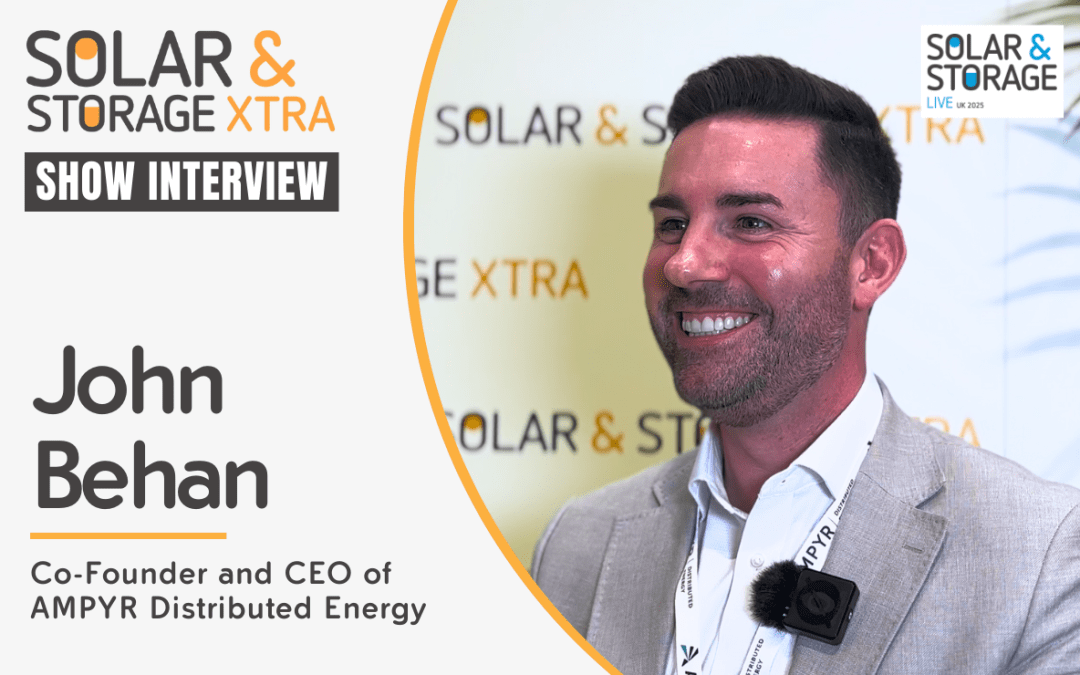
At the show, we sat down with John Behan, Co-Founder and CEO of AMPYR Distributed Energy (ADE). ADE is a rapidly expanding force in the C&I sector, dedicated to making the transition to net zero simple and cost-effective for businesses by providing fully funded, on-site solar and storage solutions.
In this interview, John discusses ADE’s mission to deliver green, reliable power and offers a crucial investor perspective on the distributed energy market.
“We’ve deployed primarily on-site solar, and the trend we’re really highlighting over this decade is the growth in co-located solar and storage behind the meter.”
What is AMPYR Distributed Energy (ADE)’s role in the sector?
John: At ADE, we’re on a mission to simplify net zero for business customers. But what does that mean? It means we deliver fully funded on-site renewables that provide green, reliable power at a lower cost exactly where it’s needed.
This allows our customers to focus on running their business while achieving their sustainability goals.
Tell us about the talk you did at Solar & Storage Live UK.
John: A lot of the talks at the show are typically around products, industry, and the market. I wanted to really focus on an investor perspective on distributed energy, so bringing a bit of a finance angle.
In the talk, we covered some background on the distributed energy market and why it’s growing so much. We had record rooftop deployment last year, and that’s going to continue, potentially reaching around a gigawatt per annum by the end of the decade.
Then I jumped into the investor perspective: why the market is gaining traction for investors like us, but also what the trends and some of the challenges are.
Why is sponsoring the C&I Theatre important for ADE?
John: When we sponsored the theatre last year, we were relative newcomers to the market; we were less than a year old. For us, that was about trying to get our initial foothold in the market.
Since that time, despite being a relative newcomer, we’ve expanded from 14 to 40 employees through acquisition, we’ve trebled our assets under management, and we’ve also expanded into Europe, into Germany.
In the last 12 months, we’ve had really solid growth, and we’re now positioning ourselves as one of the leaders in the C&I market.
What trends in the industry should solar stakeholders be aware of?
John: To date, we’ve deployed primarily on-site solar, and the trend we’re really highlighting over this decade is the growth in co-located solar and storage behind the meter.
Now, the investor side is still trying to get the business model right. Principally, we want to supply more on-site power to the customer via the battery, but ultimately, that doesn’t really utilise the battery in the right way.
You’ve got to really create a floor via contracted returns and then optimise the battery as it should, to capture all the additional revenue streams that are out there. You can typically share those revenue streams with a customer.
To summarise, what you really need is a combination of both: we need contracted returns from the battery, but we also need the upside to be able to unlock material deployment in the market.
That’s really our key trend, and going forward, we have an ambition to put storage alongside every solar asset that we install.
What is the importance of attending Solar & Storage Live UK for ADE?
John: I said the same last year: I think it is the biggest in the UK, certainly probably one of the biggest renewable conferences in Europe, and it is bigger again this year.
For us, Solar & Storage Live UK is really important as brand awareness is key for us. Lots of our partners and customers are here, and potential customers. It’s a chance for us to meet new and existing partners as well, and, as I’ve said previously, this is the best way to network.
At the show, you have short, sharp meetings back-to-back, and everyone’s in the same place. That’s why it’s so beneficial. Of course, attendees also have dinners on, we have socials; the whole team is here to have a bit of fun as well.
Missed out on Solar & Storage Live UK? Get your free ticket to Solar & Storage Live London – the capital’s most exciting solar event. Or, find a Solar & Storage Live event near you.
by Catie Owen | Nov 27, 2025 | Asia, Innovation
South Korea has unveiled a new plan to increase its presence in next-generation solar technology by 2030, marking the third phase of its ‘Super-Innovation Economy’ strategy.
Announced by the Ministry of Economy and Finance on 26 November, the initiative prioritises securing core technologies for ultra-high-efficiency tandem solar cells, committing a significant package of financial and policy support.
The project is driven by the goal to “strengthen future strategies to respond to the climate crisis and technology hegemony,” according to the press release*.
The government aims for world-first commercialisation within the next five years, specifically targeting tandem solar technology – which stacks multiple layers of materials like perovskite and silicon to capture a broader spectrum of light.
To facilitate this, the government has set efficiency benchmarks: aiming for a cell efficiency of 35% and a module efficiency of 28% by 2030, representing what it calls the “world’s highest efficiency levels.”
The plan is backed by a substantial budget, with ₩33.6bn allocated for technology development next year to support the commercialisation of these ultra-high-efficiency cells.
Furthermore, the government will support the project with a “package of fiscal, tax, finance, and regulation measures,” stating its intention to support tangible results within the timeframe.
This includes establishing new domestic and international standard certification systems to ensure the creation of an initial market for the technology.
The solar initiative is one of six key tasks announced in the latest phase, alongside developing a next-generation power grid, deploying super-large offshore wind power, commercialising HVDC, boosting green hydrogen production, and accelerating the development of Korean Small Modular Reactors (SMRs).
* Quotes have been translated from Korean into English.
by Catie Owen | Nov 21, 2025 | Europe, Everything Installer, Innovation
The 2025 edition of Solar & Storage Live UK brought together a gathering of solar professionals and experts, ranging from scientists to industry titans.
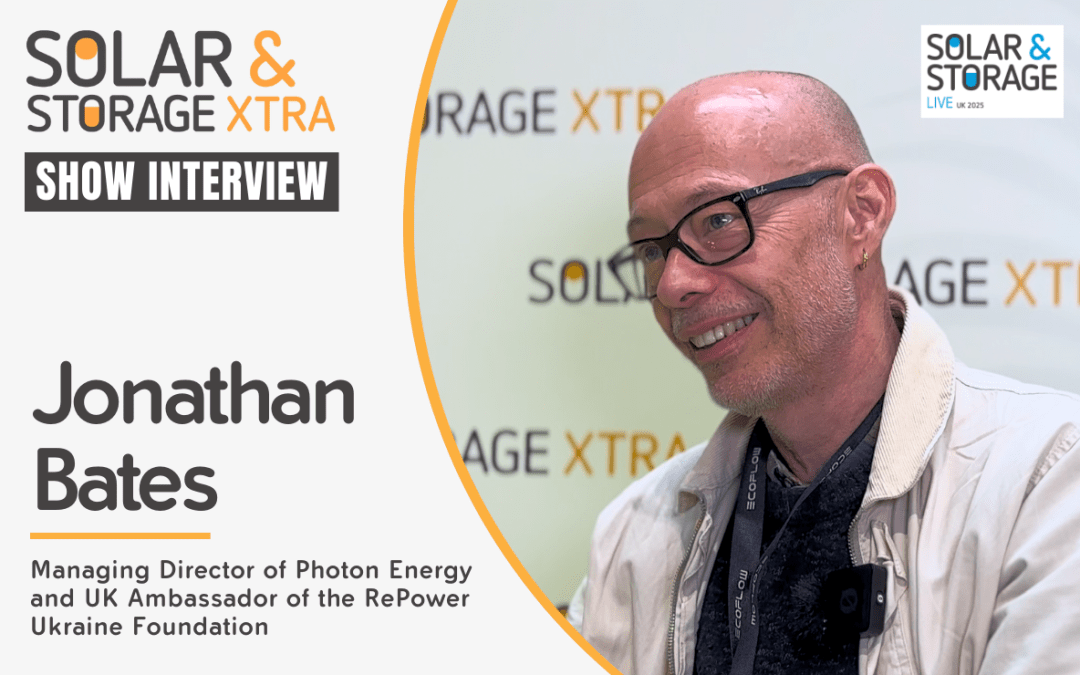
One such titan in attendance was Jonathan Bates, Managing Director of Photon Energy, renowned for his distinguished career in the renewable energy sector.
However, as the UK Ambassador for the RePower Ukraine Foundation, Jonathan is also dedicating his expertise to a humanitarian mission.
In this interview, he discusses the vital role of solar and storage in protecting essential services in Ukraine and outlines the huge task ahead.
“I want them to think that [our mission] is something they can help with, because it’s really very easy: cash, kit, time.”
Our last conversation with RePower Ukraine was at Solar & Storage Live UK 2024. Can you talk to us about the impact of your hospital project?
Jonathan: We’ve successfully implemented my first project, or the first project that I’ve been involved in, which was for a hospital in a community in eastern Ukraine, in a small town called Slobozhanske.
It’s a 36KW PV system with 36KWh of battery storage and 30KW worth of inverters on a small local hospital that treats about 50,000 patients a year.
The system was donated by various companies within the UK solar industry. My company, Photon Energy, donated the solar panels. CGEN donated the inverter and the battery storage unit. Then, between us and Midsummer, we raised a further £15,000 in cash to fund the installation, the shipping, the mounting system, the scaffolding, cabling, and all the rest of the balance of system.
It was finally shipped from the UK to Ukraine in May this year, installed in the end of June/beginning of July, and they had a formal opening of the system just a couple of weeks ago in Ukraine.
I travelled out to the opening and attended in person. I was given a tour of the system, which is fully operational and very neatly and well-installed, which was a plus.
It was fantastic to speak with the medical staff at the hospital, who explained the real benefits and impacts that the system is having. It means that they can still provide emergency power when there’s a power cut.
They can rely on the solar and batteries to provide power to X-ray, maternity, and all those sorts of units where you absolutely don’t want power to stop.
It was just really inspiring to see these communities living under horrendous conditions – they’re 50km from the front line – and just seeing that life goes on as normal.
The community is having to get by and exist in difficult circumstances, and it’s really quite inspiring, I guess, to see them doing that.
What has been the impact of RePower’s other projects in Ukraine this year?
Jonathan: The hospital project is the second project that’s been organised by RePower in Slobozhanske.
The other project was a water pumping system, helping to pump water around the town, because the power infrastructure had been very badly damaged. There have been two projects completed in Slobozhanske. We are now working to fund and organise another two projects in eastern Ukraine.
I’ve actually got a list of over 100 hospitals that are looking for this kind of support, because hospitals have been deliberately targeted by the Russians in Ukraine.
There’s a huge amount of work to be done today to just ensure they can continue to deliver basic services, but also in the future when the country’s going to have to be rebuilt. There’s going to be a massive reconstruction effort taking place, and it’s a massive task.
What logistical challenges has RePower Ukraine faced over the last year?
Jonathan: Staffing is a problem. A lot of people are fighting at the front, and so having people to do the installation is a challenge.
One of the other things RePower does is run training programmes for veterans and for internally displaced people so that they can train or retrain to become solar designers and solar installers.
It’s a recognised problem, and the charity is trying to do something about it. To date, they’ve run three training courses. The last one was funded by Mercy Corps from the US. It’s a challenge; the staffing of the organisation is a challenge. People are trying to live and work in essentially wartime conditions.
When I was there, alarms were going off in the middle of the night. You’re woken up and you have to decide whether you are going to the bomb shelter or not.
People with children are having a difficult life because the children are suffering from anxiety, and are scared when they see birds or drones overhead. RePower are doing what it can under very difficult circumstances.
One of the key issues they face is funding. Not just funding for the individual projects, but the core funding for the organisation, so that they can keep hold of their staff who are dedicated, very capable, committed, highly skilled people. But keeping them is a problem.
Did visiting RePower Ukraine’s projects in person make a personal impact on you?
Jonathan: It’s made me more committed completely! It’s a fantastic country, and a very, very friendly country. The people there are defending us all. You see the sacrifices the people are making.
If you go to the Maidan, the main square in Kyiv, and see the flags and the memorials. they are very moving. You realise that they’re not just defending Ukraine, they’re defending Western Europe and they’re defending us all.
In my opinion, we have to give something back. We must support them in every way we can. Having been there, I’m twice as committed as I was.
In a year’s time at Solar & Storage Live UK 2026, what successes do you hope to share with us?
Jonathan: As I said, Greenpeace have given me a list of 100 hospitals. Whether we can get all of those done, I don’t know. But I’d certainly like another 10 done by this time next year.
It’s not just me; there’s a whole team of people who are committed to this, who are working towards meeting the charity’s objectives.
There’s a team of us in the UK. We get a lot of support from Solar Energy UK, which is opening doors to its membership. They’re opening doors to other organisations that we can then try and convince to support the charity and to make a real difference and have a real impact today.
Overall, when you speak to people about RePower Ukraine at this year’s show, what message do you want them to take away?
Jonathan: I want them to think that [our mission] is something they can help with, because it’s really very easy: cash, kit, time.
If people have experience in fundraising or have something they can do to help, then the more of us the merrier.
There are a lot of companies out there that want to help, and the onus is on me and the rest of us who are helping RePower to turn their desire to help into concrete actions, real systems, and implementation.
To find out more about RePower Ukraine or to donate, follow the link here.
Missed out on Solar & Storage Live UK? Get your free ticket to Solar & Storage Live London – the capital’s most exciting solar event. Or, find a Solar & Storage Live event near you.
by Catie Owen | Nov 20, 2025 | Asia, Innovation, Storage
Rondo Energy and SCG Cleanergy have announced the operational start of Southeast Asia’s first heat battery, charged from both the grid and a nearby solar farm.
The launch was marked by a ribbon-cutting ceremony at SCG’s cement plant in Saraburi Province, Thailand.
The new unit is now delivering 2.3MWth of continuous steam, charged from both the grid and a nearby floating solar farm. The superheated steam drives a turbine, generating 24-hour clean electricity used directly in the cement production process.
Rondo CEO Eric Trusiewicz announced: “We’re launching our first unit that is part of our new modular sizing approach, our first heat battery in Southeast Asia, and the only one worldwide delivering high-pressure steam used for electric power generation.”
The 33MWh Rondo Heat Battery is the first built on the company’s new modular platform, which allows for unit sizing to range from 33MWh to over 1GWh using a “common design” and “common” supply chain.
The unit is integrated with the cement plant’s heat recovery system and is the only heat battery globally that drives a steam turbine.
Trusiewicz continued: “This project shows that powering industry with clean energy is not just possible – it’s economical and fast. Our team and SCG built this first-of-its-kind system in just eight months. It’s a model for how industry can go electric anywhere in the world.”
The partnership is now scaling up manufacturing and deployments to address the surging demand for industrial decarbonisation. SCG Cleanergy is developing new clean industrial heat projects powered by Rondo’s technology to serve customers across the region.
Attapong Sathitmanothum, CEO of SCG Cleanergy, commented on the wider significance of the deployment: “Integrating the Rondo Heat Battery marks a turning point for the Southeast Asian industry, because heat-intensive industries like textiles, chemicals, and food processing are growing rapidly here.
“This milestone also represents another important step toward achieving SCG’s Net Zero 2050 goal.”
by Catie Owen | Nov 19, 2025 | Europe, Everything Installer, Innovation, Storage, Video
Early autumn saw the return of Solar & Storage Live UK: the nation’s largest platform for solar installers and manufacturers to meet, network, and discover new innovations.
At the show, Solar&StorageXtra caught up with Craig Bilboe, Country Manager UK & Ireland for EcoFlow.
With his extensive background in energy technology and business development, Craig offers a sharp perspective on navigating market regulations and installer needs.
“As we move into the winter period, we’re now really looking at concerns around grid stability and power outages. Our Gateway will really address some of those concerns, as well as the rising cost of energy.”
Since we last caught up with EcoFlow at Solar & Storage Live London, what has been new for the company?
Craig: Lots of things have happened. So, we have new products to release here at the show. We have the Gateway, which is really important and is being asked for by our installation partners. They’re craving our Gateway, so that’s really good.
And we have some, the new PowerInsight and our AI functionality, which is something unique to the industry. And I think actually, there’s a whole host of benefits to incorporating AI.
Now, we have to be very careful in delivering this message to consumers because everything has AI. But EcoFlow are the only company in this arena that I know of, in our industry, that is offering a specific AI to the energy storage market.
This will have huge benefits to not only the existing consumers, but also people who may never have had access to dynamic tariffs or have been able to capitalise on savings.
This product is probably the most exciting for me as an individual, because there’s a huge opportunity for energy saving for end users that may be in a social housing sector or may have some physical challenges, or might find it very difficult to access traditional dynamic tariffs. We have a product here that could potentially change the industry.
So, as usual, EcoFlow attends Solar & Storage Live UK to present and bring new products to the market.
What drove EcoFlow to open a UK office, and why choose Birmingham as the location?
Craig: We opened our UK HQ in Birmingham this Autumn. Opening an office here is important for our installation partners because we need to demonstrate as a manufacturer that we’re investing not only in the local community but also tin he region and the country as a whole.
Our installers really want to be able to have a location where they can come and get trained. They’ll have the comfort that we’re here for the long period, and that we’re here to support them, not just for now, but for the coming years too.
Overall, we think it’s vitally important that we have a location where everyone can come and learn more about EcoFlow.
What opportunities or challenges are you targeting in the UK residential and commercial solar-storage sectors?
Craig: There are lots of challenges and opportunities we’re looking to tackle. But, to that end, our Gateway is something where end users are really starting to look at.
As we move into the winter period, we’re now really looking at concerns around grid stability and power outages. Our Gateway will really address some of those concerns, as well as the rising cost of energy.
Over time, I think we’ll see an increased demand for our batteries, but also our different solutions, such as off-grid scenarios and all the other functionalities.
What’s your long-term vision for EcoFlow in the UK and Europe?
Craig: We’ve had a presence in the UK for over three years; we wouldn’t have invested in our new office unless we wanted to be here for the long term.
We want to continue to bring new products, new innovations into the European market and beyond, support our installers, and maintain our large presence in the home energy sector.
Really, we want to be able to provide good products for our installers, which add benefits to the end users and continue to play a part in our industry.
Why is EcoFlow a repeat exhibitor of Solar & Storage Live?
Craig: Solar & Storage Live UK is probably our most important vehicle to access new installers.
We’ve put all our focus on this event to demonstrate – or at least showcase – our new products. We want to demonstrate our functions and all the great things about EcoFlow.
This [show] is probably the best vehicle now that we can see to reach all new installers, touch base with our existing installers, and network within the industry as well.
I would say that this is probably the most important thing that we do every single year to generate new business.
Catch more of Craig’s insights in the Solar&StorageXtra podcast, where Craig discusses how AI-driven energy management can transform the storage sector.
Missed out on Solar & Storage Live UK? Get your free ticket to Solar & Storage Live London – the capital’s most exciting solar event. Or, find a Solar & Storage Live event near you.
by Catie Owen | Nov 17, 2025 | Europe, Innovation, Large Scale Utility Solar
Velto Renewables has completed the acquisition of Les Îlots Blandin, Europe’s largest floating solar power plant, from Q ENERGY.
The facility is in Perthes, Haute-Marne, France.
Having previously held a 50% stake in the project, Velto Renewables now becomes the sole owner of the plant. The 74.3MWp facility spans over 127 hectares and includes more than 135,000 photovoltaic panels installed on advanced floating structures.
The company stated that the plant is expected to “generate renewable electricity equivalent to the annual consumption of approximately 37,000 people, while avoiding over 18,000 tonnes of CO₂ emissions each year.”
Velto Renewables highlighted the project’s success in converting unused industrial areas, noting that Les Îlots Blandin “illustrates the potential of floating solar technology to convert unused industrial areas into productive renewable assets.”
“By combining innovation, environmental restoration, and regional collaboration, the project strengthens France’s energy transition while supporting sustainable land use,” the company’s statement continued.
Following the acquisition, Velto Renewables will manage the plant’s long-term operation. The company indicated this milestone “marks another step in the company’s expansion in France and reaffirms its commitment to delivering renewable energy solutions that create enduring value for both local communities and the environment.”
Les Îlots Blandin is part of a larger portfolio transfer from Q ENERGY to Velto, following a long-term partnership agreed upon by the two companies last spring, which “already provides a framework for further project sales.”
by Catie Owen | Nov 17, 2025 | Commercial & Industrial Solar, Europe, Innovation
A £1m solar energy scheme has been completed at the Cowdenbeath liquid waste facility in Fife, Scotland, which is linked to the Levenmouth Waste Water Treatment Works.
The project involved the installation of over 1,700 ground-mounted solar panels at the site, which manages commercial liquid waste before transfer for treatment and disposal.
The new array is projected to generate 0.53 of green electricity annually. Of this, 60% will be used on-site, fulfilling 29% of the facility’s total energy requirements and helping to reduce operating costs.
The remaining 40% will be exported to the national grid. The system is also expected to reduce carbon dioxide equivalent emissions by approximately 109 tonnes per year, contributing to Scottish Water’s goal of achieving net-zero emissions by 2040.
The initiative is directly linked to reducing the carbon footprint associated with handling commercial waste at the site. Murdo MacAulay, project manager at Scottish Water Horizons, explained the dual focus:
“This site handles large volumes of liquid waste which we store and release safely to ensure full environmental compliance. It is great to see this solar scheme in operation at the site now, generating green energy and reducing the carbon associated with managing commercial and run-off waste.
“Another important driver for these projects is reducing Scottish Water’s operating costs.”
The solar system, expected to deliver cost savings for over 30 years, is designed to “provide resilience against the volatility of grid electricity prices,” as noted in the project information.
MacAulay added that the company will “continue to deliver solar schemes at Scottish Water sites across the country as we focus on achieving our net zero target by 2040, which we are currently on track to achieve.”
Enhancing biodiversity on-site
Beyond energy generation, the project incorporates significant environmental measures. Derek Ross, operator at the facility, highlighted the operational and ecological benefits:
“This scheme will allow 60% of the energy generated by the solar scheme to be used on site. In addition to the solar scheme, several biodiversity measures will be implemented on-site, including tree planting, log piles, seeding of wildflower meadows, and new hedging to enhance habitats and support local wildlife.
“Offsetting our carbon footprint is not just about using renewable energy technology but also about giving back to and protecting the natural environment at our sites.”
Renewables specialists Absolute Solar and Wind delivered the project.
[Image caption: Aerial view of new solar array at Cowdenbeath Liquid Waste Reception Facility. Image credit: Scottish Water Horizons]
by Catie Owen | Nov 14, 2025 | Europe, Innovation, Video
This year’s Solar & Storage Live UK was a key meeting point for the energy value chain – including solar innovators and trade bodies.
While there, Solar&StorageXtra spoke with Jason Howlett, Founder and CEO of the newly established Energy Storage Association (ESA).
Howlett revealed the motivation and process behind launching the organisation, its goal of becoming the dedicated voice for the storage sector, and how to tackle significant regulatory gaps.
“We are seeing real encouragement with the policy… but the deep frustration is still the Future Homes Standard. We are still building in legacy challenges by not adding storage to new builds.”
What motivated you to found the Energy Storage Association in the UK, and what are its mission and priorities?
Creating the Energy Storage Association has been a two-year project. I had been in the industry for a number of years, deeply frustrated that storage – across the whole supply chain, from manufacturers to distribution – was always the forgotten element of solar and storage.
I spoke to several trade bodies on solar generation and consistently found this obsession with generation, with storage taking a secondary role.
There was a shared frustration with manufacturers, educators, and companies. There was a common feeling of frustration, particularly across a few areas: behind-the-meter residential and commercial/industrial storage, and long-duration storage with a geological component, such as geo-hydrogen storage.
I met Mark Coyle, now at Good Energy, and we shared this passion. We simply needed to create this body. Mark was originally planned to be the CEO, but his consultancy work made his schedule too busy. I decided to take it on, leaving GivEnergy in March to found the Association.
We achieved a good consensus among manufacturers, educators, and energy companies willing to commit funds to get us off the ground, and we have been adding members since.
What key challenges did you identify when you started, and which have been most difficult to tackle so far?
I have created and launched businesses around the world, but starting a trade body was a new and much harder challenge than a typical business. Firstly, you rely on members putting money in to help you start.
Logistically, getting a business bank account for a not-for-profit company limited by guarantee, which is our structure, was almost impossible.
It took months with various banks to physically secure an account. That was the singular thing I was most frustrated about, because nothing else can work without it. You cannot have a business without banking.
Beyond that, we needed a website, promotion, and skills I didn’t have, but with no money, we couldn’t afford to do anything. We had to leverage help from some of the founders.
In the early days, it was a bit of ‘beg, borrow, and steal’ for things like legal support, with companies like Sunsynk and GivEnergy helping via their lawyers. My wife even did all the marketing and the website in her spare time.
What regulatory or policy gaps do you think are the biggest obstacles in the UK for scaling up storage deployments?
The policy side and the advocacy we are doing are huge elements. As I’ve engaged with DESNZ (Department for Energy Security and Net Zero) and NESO (National Energy System Operator), they have truly embraced us because they have lacked a dedicated voice to engage with on storage.
We are seeing real encouragement with the policy, particularly the flexibility roadmap, but the deep frustration is still the Future Homes Standard. We are still building in legacy challenges by not adding storage to new builds.
Octopus has proven that with solar, a heat pump, and a battery, you can eliminate energy bills for 10 years. Why are we not making this a standard? Why are we adding generation without considering the long-term needs of the community?
Another element, which we are engaged with GB Energy on, is making this technology available to all. We are working with GB Energy, which links into work with the Treasury, so that that this technology can be available to all people, not just those who can pay.
For those who can afford it, we need to simplify the process. For example, the VAT removal on energy storage from a couple of years ago needs to be made permanent.
There are also more structural issues. The government still hasn’t fully grasped the long-duration, geological storage element and how that will work, though it is in the roadmap as a potential if we can store and generate hydrogen.
Our goal is to create a comprehensive roadmap detailing how we believe storage should play out, which NESO, DESNZ, and everyone else can refer to and work towards.
What did you discuss in your talk and panel at the show?
I spoke about energy poverty and storage’s role in tackling it, which led to great interactions with several organisations. Our Chair, Baroness Berger, delivered a keynote on the importance of storage and how we need to think about it.
A panel featured a range of stakeholders discussing the importance of storage, where we explored what we can learn from those who have gone before us.
To you, why is it important that energy storage companies and stakeholders attend Solar & Storage Live?
We are at an exciting juxtaposition! We have been pushing generation hard, and now, with the flexibility roadmap, we are starting to focus on energy utilisation, grid services, and flexibility.
We know that renewable energy generation is intermittent, but demand is constant. The only way we can manage this is through flexibility – managing our generation and storing energy. People are truly starting to get their heads around this now.
This is a great show, and I’ve been really pleased that it has embraced the Energy Storage Association since we launched.
Missed out on Solar & Storage Live UK? Get your free ticket to Solar & Storage Live London – the capital’s most exciting solar event. Or, find a Solar & Storage Live event near you.
by Catie Owen | Nov 13, 2025 | Electric Vehicles, Europe, Innovation
The UK’s Zero Emission Vehicle (ZEV) mandate is driving substantial growth in the automotive industry, with electric car sales consistently surpassing set targets.
The findings were published by the UK arm of The European Federation for Transport and Environment (T&E).
This policy is credited with pushing manufacturers to introduce a greater selection of affordable electric models, significantly boosting adoption by UK drivers.
October marked a new high point, with battery electric vehicles (BEVs) accounting for 26% of all new car sales. Further illustrating this shift, Renault reported that fully electric models comprised half of its total sales for the month.
The market data suggests a clear correlation between the availability of appealing BEV models and strong consumer demand, positioning electric vehicles as the primary engine for industry growth. Carmakers who have made early commitments to electrification are reportedly expanding their market share.

Mini is highlighted as a brand demonstrating this momentum. Since launching its first BEV in 2020, the brand’s B-segment electric share has grown to 20% by 2025, significantly outpacing its petrol lineup.
T&E UK Vehicles Policy Manager Tim Dexter commented: “The electric vehicle market isn’t just an opportunity, it’s a turning point for carmakers ready to lead. Whether it’s Tesla, BYD or Geely, multi-billion-pound businesses have been built by getting ahead of the curve. Legacy manufacturers can do the same if they act boldly and get their BEV strategy right.
“We’re already seeing car brands grow their market share with electric models, even where their petrol and diesel sales have stalled.”
The success of the EV market is intrinsically linked to the ZEV mandate, which has spurred market demand.
Dexter added: “This track record should prove to the government that the ZEV mandate and its 2035 phase-out date are crucial for UK automotive success.
“With robust targets, continued support for innovation, and investment in infrastructure, the UK’s automotive industry is well placed to lead the EV transition, creating new jobs, attracting investment, and placing British-built vehicles as a market leader.”
[Graph credit: T&E]
This series covers the developing electric vehicle market of the UK and its increasing infrastructure, as the nation advances its net-zero goals.
For all things EV, don’t miss out on your free ticket to EVCharge Live UK – taking place 22-24 September 2026.