by Solar&StorageXtra Team | Nov 18, 2025 | Europe, Large Scale Utility Solar
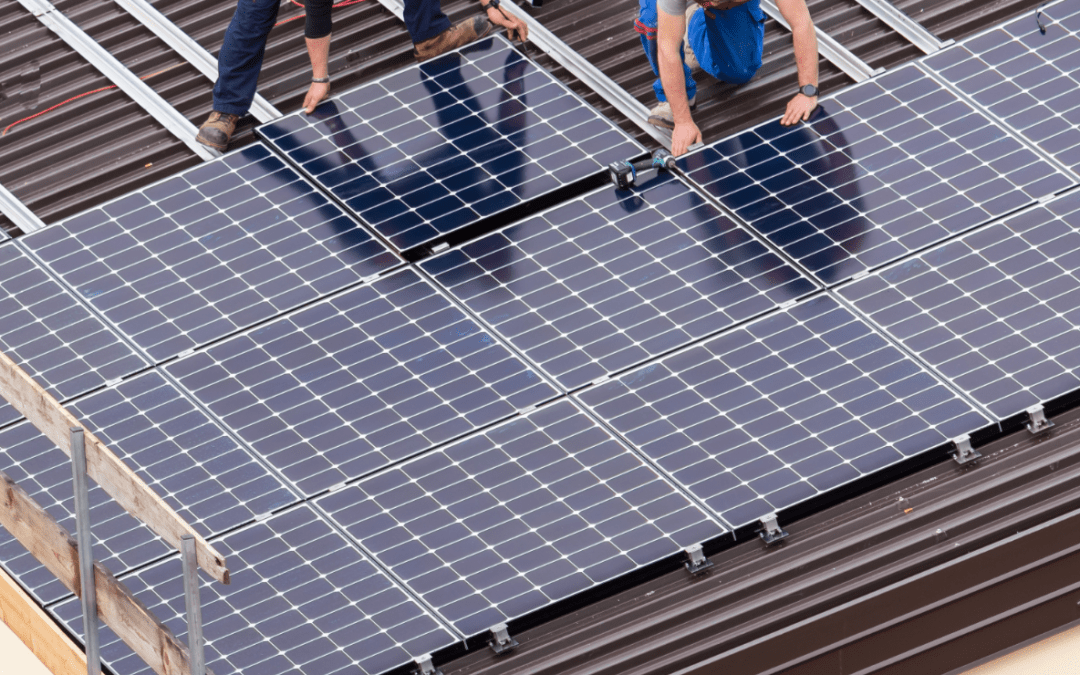
Over 250 schools across England have signed agreements to receive funding for new solar panels and energy efficiency measures as part of an expanded scheme by Great British Energy and the government.
The initiative, which also targets NHS and military sites, will see schools benefit from a share of up to £100m in funding. The goal is to help schools cut energy bills and reinvest the savings into teaching and resources.
Twenty-three schools have already installed Great British Energy solar panels, including Notre Dame RC School in Plymouth and Christ The King RC Primary School in Manchester.
“Great British Energy is helping schools to save money on bills, meaning more money for textbooks and technology,” Energy Minister Michael Shanks commented.
Across the country, solar panels are going up on rooftops to power classrooms with clean, homegrown power. This is our clean energy superpower mission in action, protecting our public services with lower bills and energy security.”
Education Minister Josh MacAlister echoed this sentiment, stating: “Solar panels are slashing schools’ energy bills by thousands of pounds year after year, with the money going straight back into the textbooks and resources pupils need to succeed.”
Rocketing energy bills have put a strain on school budgets, and by allowing schools to generate their own electricity, it is estimated they will save millions, exceeding installation costs.
Great British Energy’s CEO, Dan McGrail, said: “Great British Energy’s ongoing solar rollout delivers tangible benefits to the people that need it most in our hospitals and schools.
“This not only provides clean energy to communities, it also ensures that the public own and benefit from these projects through energy security, good jobs and above all, real tangible local outcomes such as more funds to support teaching and health.”
The scheme prioritises schools and colleges in areas of deprivation across the North East, West Midlands, and North West, ensuring at least 10 schools in each region of England benefit.
Don’t miss out on your free ticket to Solar & Storage Live London 2026– the capital’s most exciting solar event. Or, find a Solar & Storage Live event near you.
by Solar&StorageXtra Team | Nov 17, 2025 | Europe, Innovation, Large Scale Utility Solar
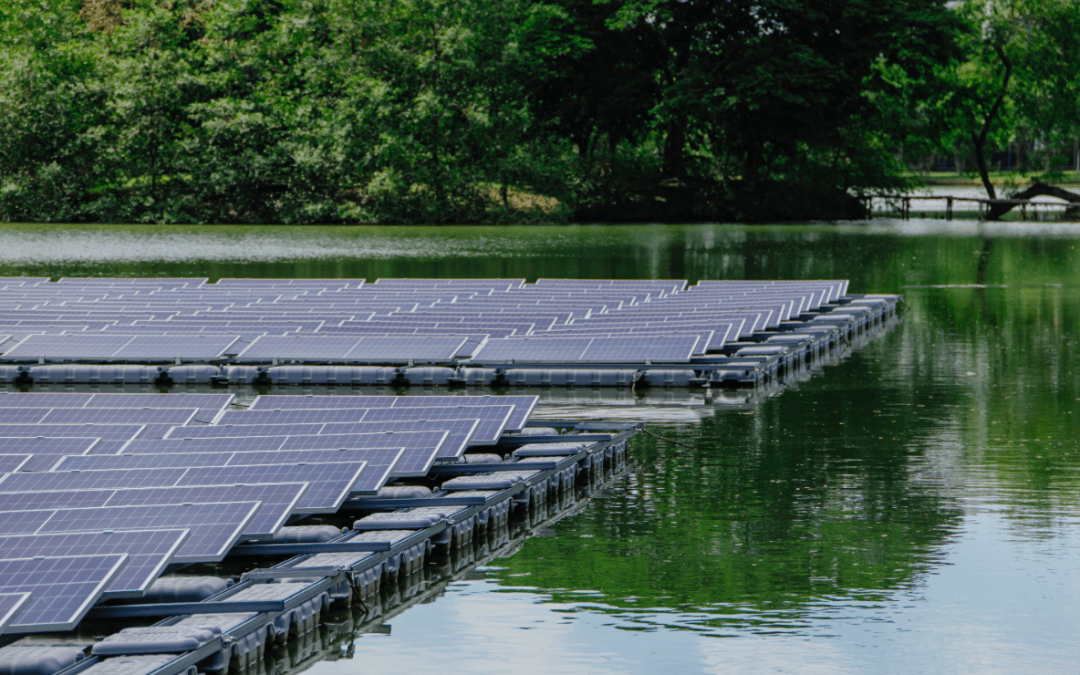
Velto Renewables has completed the acquisition of Les Îlots Blandin, Europe’s largest floating solar power plant, from Q ENERGY.
The facility is in Perthes, Haute-Marne, France.
Having previously held a 50% stake in the project, Velto Renewables now becomes the sole owner of the plant. The 74.3MWp facility spans over 127 hectares and includes more than 135,000 photovoltaic panels installed on advanced floating structures.
The company stated that the plant is expected to “generate renewable electricity equivalent to the annual consumption of approximately 37,000 people, while avoiding over 18,000 tonnes of CO₂ emissions each year.”
Velto Renewables highlighted the project’s success in converting unused industrial areas, noting that Les Îlots Blandin “illustrates the potential of floating solar technology to convert unused industrial areas into productive renewable assets.”
“By combining innovation, environmental restoration, and regional collaboration, the project strengthens France’s energy transition while supporting sustainable land use,” the company’s statement continued.
Following the acquisition, Velto Renewables will manage the plant’s long-term operation. The company indicated this milestone “marks another step in the company’s expansion in France and reaffirms its commitment to delivering renewable energy solutions that create enduring value for both local communities and the environment.”
Les Îlots Blandin is part of a larger portfolio transfer from Q ENERGY to Velto, following a long-term partnership agreed upon by the two companies last spring, which “already provides a framework for further project sales.”
by Solar&StorageXtra Team | Nov 17, 2025 | Commercial & Industrial Solar, Europe, Innovation
A £1m solar energy scheme has been completed at the Cowdenbeath liquid waste facility in Fife, Scotland, which is linked to the Levenmouth Waste Water Treatment Works.
The project involved the installation of over 1,700 ground-mounted solar panels at the site, which manages commercial liquid waste before transfer for treatment and disposal.
The new array is projected to generate 0.53 of green electricity annually. Of this, 60% will be used on-site, fulfilling 29% of the facility’s total energy requirements and helping to reduce operating costs.
The remaining 40% will be exported to the national grid. The system is also expected to reduce carbon dioxide equivalent emissions by approximately 109 tonnes per year, contributing to Scottish Water’s goal of achieving net-zero emissions by 2040.
The initiative is directly linked to reducing the carbon footprint associated with handling commercial waste at the site. Murdo MacAulay, project manager at Scottish Water Horizons, explained the dual focus:
“This site handles large volumes of liquid waste which we store and release safely to ensure full environmental compliance. It is great to see this solar scheme in operation at the site now, generating green energy and reducing the carbon associated with managing commercial and run-off waste.
“Another important driver for these projects is reducing Scottish Water’s operating costs.”
The solar system, expected to deliver cost savings for over 30 years, is designed to “provide resilience against the volatility of grid electricity prices,” as noted in the project information.
MacAulay added that the company will “continue to deliver solar schemes at Scottish Water sites across the country as we focus on achieving our net zero target by 2040, which we are currently on track to achieve.”
Enhancing biodiversity on-site
Beyond energy generation, the project incorporates significant environmental measures. Derek Ross, operator at the facility, highlighted the operational and ecological benefits:
“This scheme will allow 60% of the energy generated by the solar scheme to be used on site. In addition to the solar scheme, several biodiversity measures will be implemented on-site, including tree planting, log piles, seeding of wildflower meadows, and new hedging to enhance habitats and support local wildlife.
“Offsetting our carbon footprint is not just about using renewable energy technology but also about giving back to and protecting the natural environment at our sites.”
Renewables specialists Absolute Solar and Wind delivered the project.
[Image caption: Aerial view of new solar array at Cowdenbeath Liquid Waste Reception Facility. Image credit: Scottish Water Horizons]
by Solar&StorageXtra Team | Nov 17, 2025 | Commercial & Industrial Solar, Europe
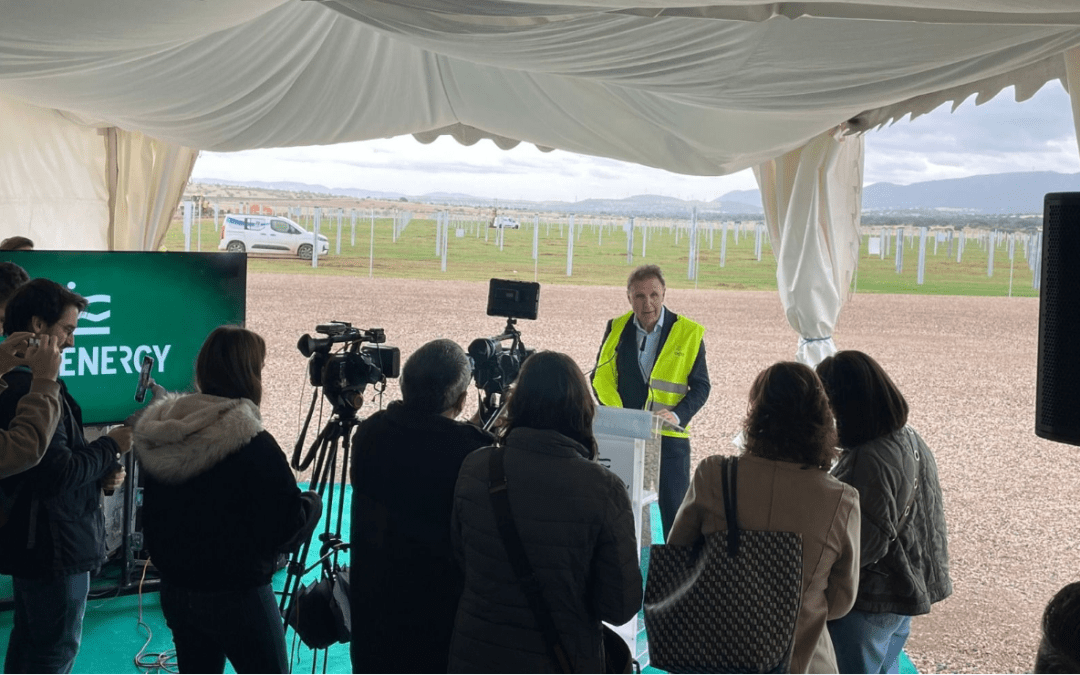
RIC Energy has commenced construction on its first solar power plants in Spain. The projects, named Bluesol 1 and Bluesol 2, are located in Almodóvar del Campo, within the Ciudad Real province.
This development is described by the company as a “historic day,” marking a significant step in its strategic evolution toward becoming an Independent Power Producer (IPP). For more than two decades, RIC Energy has promoted renewable energy development across four continents, with a portfolio exceeding 12,000 MW.
The Bluesol I and II facilities are expected to add over 60 MW of installed capacity to the national grid. This output is projected to be sufficient to supply approximately 150,000 homes annually and avoid the emission of 40,000 tonnes of CO2 contributing to a cleaner and more resilient electricity system.
The move reinforces the company’s commitment to a more sustainable and stable energy model with a positive local impact.
Speaking at the groundbreaking ceremony, José Luis Moya, RIC Energy’s Global CEO, emphasised the significance of the undertaking: “The construction of these photovoltaic plants is a milestone for RIC Energy in its transformation to an IPP. After more than 20 years developing projects for third parties, it was time to take the next step.”
The construction phase of the projects is anticipated to generate between 60 and 200 jobs during peak activity. The work will be carried out by GES – Global Energy Services.
RIC Energy concluded its announcement by congratulating the various teams involved in achieving this corporate milestone.
[Image credit: RIC Energy]
Solar & Storage Live España will be taking place 27-28 May 2026 in Valencia. Don’t miss out on your free ticket by securing your place here.
by Solar&StorageXtra Team | Nov 14, 2025 | Americas, Europe, Everything Installer
Press Release
Stäubli and Create Energy announce strategic partnership to revolutionise PV connector technology for the renewable energy industry.
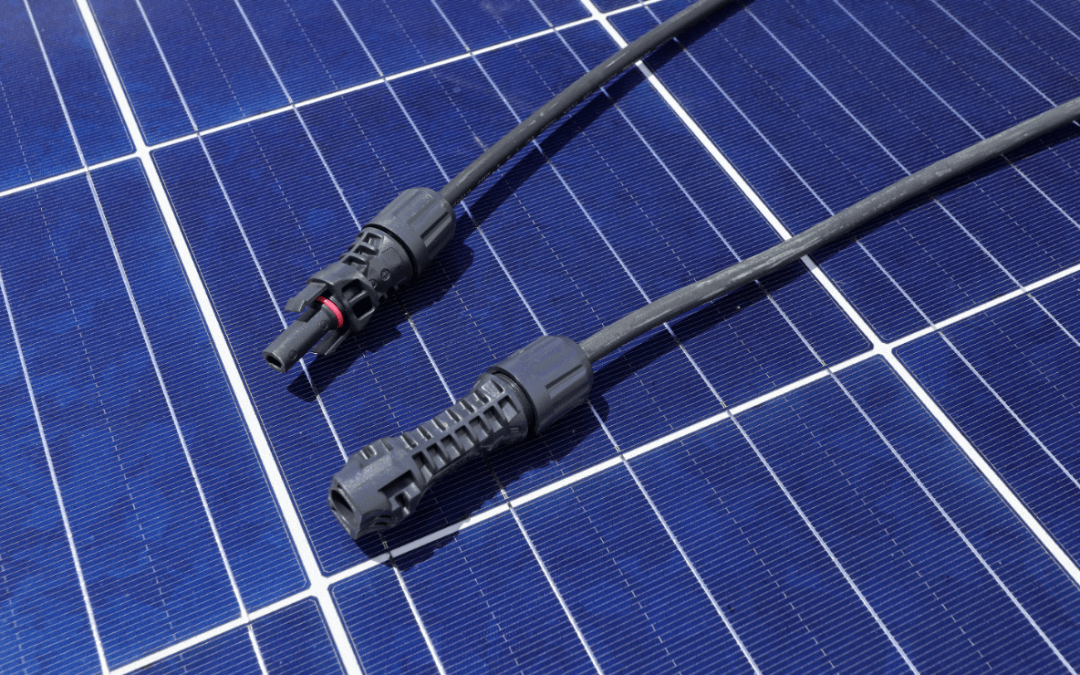
The Swiss-based Stäubli Electrical Connectors, market-leading in connecting PV DC systems, and Create Energy, a US-based leading innovator in renewable energy solutions, are proud to announce a strategic manufacturing partnership.
Together, the companies will produce a next-generation PV DC connector designed to transform the solar and renewable energy industry and address long-standing challenges in the tracker market. This will set a new benchmark for safety, reliability, and performance.
The collaboration combines Stäubli’s legacy of excellence in electrical connectivity with Create Energy’s agile innovation and advanced manufacturing capabilities.
“We’re excited to collaborate with Create Energy to bring this innovation to life and contribute to increasing safety and performance in the PV tracker systems. Together, we’re setting a new benchmark for PV connectivity in the renewables space, and we are excited about this future collaboration!” says Matthias Mack, Vice-President Renewable Energy at Stäubli.
The new connector is specifically designed to withstand the dynamic mechanical stresses and environmental conditions unique to solar tracking systems.
By leveraging Stäubli’s high-quality materials, electrical design expertise, and Create Energy’s precision engineering, the new product promises to enhance system longevity, reduce maintenance costs, and improve overall energy yield.
“The misuse of PV connectors in the tracker market has been a persistent issue, compromising system integrity and long-term performance. I have had a close association with the North American Staubli unit for over two decades. This partnership with Stäubli allows us to deliver a purpose-built solution that not only solves this problem but also pushes the industry forward.” says Dean Solon, Founder and CEO at Create Energy.
The new connector solution will be introduced to the market in 2026, with distribution across North America and international markets.
Want to publish a press release? Submit your content here for review by our editorial team.
by Solar&StorageXtra Team | Nov 14, 2025 | Europe, Innovation, Video
This year’s Solar & Storage Live UK was a key meeting point for the energy value chain – including solar innovators and trade bodies.
While there, Solar&StorageXtra spoke with Jason Howlett, Founder and CEO of the newly established Energy Storage Association (ESA).
Howlett revealed the motivation and process behind launching the organisation, its goal of becoming the dedicated voice for the storage sector, and how to tackle significant regulatory gaps.
“We are seeing real encouragement with the policy… but the deep frustration is still the Future Homes Standard. We are still building in legacy challenges by not adding storage to new builds.”
What motivated you to found the Energy Storage Association in the UK, and what are its mission and priorities?
Creating the Energy Storage Association has been a two-year project. I had been in the industry for a number of years, deeply frustrated that storage – across the whole supply chain, from manufacturers to distribution – was always the forgotten element of solar and storage.
I spoke to several trade bodies on solar generation and consistently found this obsession with generation, with storage taking a secondary role.
There was a shared frustration with manufacturers, educators, and companies. There was a common feeling of frustration, particularly across a few areas: behind-the-meter residential and commercial/industrial storage, and long-duration storage with a geological component, such as geo-hydrogen storage.
I met Mark Coyle, now at Good Energy, and we shared this passion. We simply needed to create this body. Mark was originally planned to be the CEO, but his consultancy work made his schedule too busy. I decided to take it on, leaving GivEnergy in March to found the Association.
We achieved a good consensus among manufacturers, educators, and energy companies willing to commit funds to get us off the ground, and we have been adding members since.
What key challenges did you identify when you started, and which have been most difficult to tackle so far?
I have created and launched businesses around the world, but starting a trade body was a new and much harder challenge than a typical business. Firstly, you rely on members putting money in to help you start.
Logistically, getting a business bank account for a not-for-profit company limited by guarantee, which is our structure, was almost impossible.
It took months with various banks to physically secure an account. That was the singular thing I was most frustrated about, because nothing else can work without it. You cannot have a business without banking.
Beyond that, we needed a website, promotion, and skills I didn’t have, but with no money, we couldn’t afford to do anything. We had to leverage help from some of the founders.
In the early days, it was a bit of ‘beg, borrow, and steal’ for things like legal support, with companies like Sunsynk and GivEnergy helping via their lawyers. My wife even did all the marketing and the website in her spare time.
What regulatory or policy gaps do you think are the biggest obstacles in the UK for scaling up storage deployments?
The policy side and the advocacy we are doing are huge elements. As I’ve engaged with DESNZ (Department for Energy Security and Net Zero) and NESO (National Energy System Operator), they have truly embraced us because they have lacked a dedicated voice to engage with on storage.
We are seeing real encouragement with the policy, particularly the flexibility roadmap, but the deep frustration is still the Future Homes Standard. We are still building in legacy challenges by not adding storage to new builds.
Octopus has proven that with solar, a heat pump, and a battery, you can eliminate energy bills for 10 years. Why are we not making this a standard? Why are we adding generation without considering the long-term needs of the community?
Another element, which we are engaged with GB Energy on, is making this technology available to all. We are working with GB Energy, which links into work with the Treasury, so that that this technology can be available to all people, not just those who can pay.
For those who can afford it, we need to simplify the process. For example, the VAT removal on energy storage from a couple of years ago needs to be made permanent.
There are also more structural issues. The government still hasn’t fully grasped the long-duration, geological storage element and how that will work, though it is in the roadmap as a potential if we can store and generate hydrogen.
Our goal is to create a comprehensive roadmap detailing how we believe storage should play out, which NESO, DESNZ, and everyone else can refer to and work towards.
What did you discuss in your talk and panel at the show?
I spoke about energy poverty and storage’s role in tackling it, which led to great interactions with several organisations. Our Chair, Baroness Berger, delivered a keynote on the importance of storage and how we need to think about it.
A panel featured a range of stakeholders discussing the importance of storage, where we explored what we can learn from those who have gone before us.
To you, why is it important that energy storage companies and stakeholders attend Solar & Storage Live?
We are at an exciting juxtaposition! We have been pushing generation hard, and now, with the flexibility roadmap, we are starting to focus on energy utilisation, grid services, and flexibility.
We know that renewable energy generation is intermittent, but demand is constant. The only way we can manage this is through flexibility – managing our generation and storing energy. People are truly starting to get their heads around this now.
This is a great show, and I’ve been really pleased that it has embraced the Energy Storage Association since we launched.
Missed out on Solar & Storage Live UK? Get your free ticket to Solar & Storage Live London – the capital’s most exciting solar event. Or, find a Solar & Storage Live event near you.
by Solar&StorageXtra Team | Nov 13, 2025 | Electric Vehicles, Europe, Innovation
The UK’s Zero Emission Vehicle (ZEV) mandate is driving substantial growth in the automotive industry, with electric car sales consistently surpassing set targets.
The findings were published by the UK arm of The European Federation for Transport and Environment (T&E).
This policy is credited with pushing manufacturers to introduce a greater selection of affordable electric models, significantly boosting adoption by UK drivers.
October marked a new high point, with battery electric vehicles (BEVs) accounting for 26% of all new car sales. Further illustrating this shift, Renault reported that fully electric models comprised half of its total sales for the month.
The market data suggests a clear correlation between the availability of appealing BEV models and strong consumer demand, positioning electric vehicles as the primary engine for industry growth. Carmakers who have made early commitments to electrification are reportedly expanding their market share.

Mini is highlighted as a brand demonstrating this momentum. Since launching its first BEV in 2020, the brand’s B-segment electric share has grown to 20% by 2025, significantly outpacing its petrol lineup.
T&E UK Vehicles Policy Manager Tim Dexter commented: “The electric vehicle market isn’t just an opportunity, it’s a turning point for carmakers ready to lead. Whether it’s Tesla, BYD or Geely, multi-billion-pound businesses have been built by getting ahead of the curve. Legacy manufacturers can do the same if they act boldly and get their BEV strategy right.
“We’re already seeing car brands grow their market share with electric models, even where their petrol and diesel sales have stalled.”
The success of the EV market is intrinsically linked to the ZEV mandate, which has spurred market demand.
Dexter added: “This track record should prove to the government that the ZEV mandate and its 2035 phase-out date are crucial for UK automotive success.
“With robust targets, continued support for innovation, and investment in infrastructure, the UK’s automotive industry is well placed to lead the EV transition, creating new jobs, attracting investment, and placing British-built vehicles as a market leader.”
[Graph credit: T&E]
This series covers the developing electric vehicle market of the UK and its increasing infrastructure, as the nation advances its net-zero goals.
For all things EV, don’t miss out on your free ticket to EVCharge Live UK – taking place 22-24 September 2026.
by Solar&StorageXtra Team | Nov 11, 2025 | Europe, Innovation
Solar & Storage Live returned to Birmingham this year, once again gathering the UK’s clean energy leaders to debate the future of solar, storage, and the wider energy transition.
Among the many conversations was a discussion with Louise Dalton, Energy Partner at CMS and Founder of Women in Energy Storage (WinES), who has been at the forefront of advising on some of the country’s largest renewable energy and storage projects.
In this interview, Dalton outlines the legal and regulatory bottlenecks slowing the scale-up of storage in the UK – from grid access and planning hurdles to investor confidence and international competition.
In your view, what are the main legal or regulatory bottlenecks that are slowing down scaling up storage in the UK?
Louise: We obviously have the grid connection queue issues, which are ongoing. That’s been a challenge across technologies, but particularly for storage given how quickly the sector has grown recently. Grid access has definitely been part of it.
Planning has also played a role, partly because some local authorities don’t yet have the experience or understanding of storage. It hasn’t been properly incorporated into national or local policy, which makes it harder for projects to progress.
My planning team spends a lot of time on appeals, often because storage hasn’t been well understood or because risks – such as fire – have been overstated, leading to strong local objections.
The revenue market has also been key. Since 2022, it’s been a major driver for investment, with fantastic revenues in frequency response and a lot of volatility. But 2023 and 2024 were not as positive, and that impacted equity investment.
We are now seeing new contracted revenue structures, such as tolling, which help. Still, there is a funding gap: investors are more interested in de-risked projects than those at earlier development or construction stages.
We’re also competing internationally. Italy, for example, has its Maxi auction, and Germany is very active. International investors who want storage exposure don’t necessarily have to put their money into the UK.
They may prefer markets with stronger perceived returns or more supportive schemes, such as Italy’s Maxi, which offers greater de-risking.
Additionally, we need more liquidity and further innovation in de-risking products for storage. Insurance products like the Nafila deal are promising, but they’re still limited in scope.
Contracting has also been an issue. We’ve seen two well-publicised insolvencies of balance-of-plant providers in recent years. While OEM competition remains strong, the wider contracting landscape can be problematic.
This has led to project delays, sometimes due to grid operators not honouring connection dates or failing to order equipment, and other times simply because construction takes longer than expected.
Are there specific frameworks or regulations that you believe are doing more harm than good?
Louise: There’s talk about bringing environmental impact assessments into play for batteries, potentially even retrospectively. That feels like using a sledgehammer to crack a nut – it just adds unnecessary red tape that hasn’t been needed so far.
There are concerns about bankability and whether it’s truly fit for long-duration storage. It borrows heavily from the interconnector regime without properly addressing the different ways storage assets generate revenue, their construction challenges, or their operational risks.
There’s also the risk of unintended consequences. Long-duration schemes of eight hours or more, supported under this regime, could end up cannibalising revenues for shorter-duration storage.
How much volume is procured will matter, but it’s a classic case of solving one problem while creating another.
On the positive side, there are good ideas in REMA – particularly around national pricing reform. For batteries, reducing gate closure and settlement periods could enable operators to capture more volatility, which would benefit storage. But it’s taking far too long to implement.
Everyone knows balancing costs remain an issue, and there’s broad consensus that reform is needed – we just need to get on with it.
As someone in a leadership position and speaking at the Women in Energy Storage Meet Up, what key barriers have you observed for women and underrepresented groups in this sector?
Louise: Speaking from a UK perspective, there’s very little gender diversity at senior levels. I don’t know of any female CEOs in the sector, and only one female CFO. At more junior levels, though, there is more diversity – both in terms of gender and other underrepresented groups.
The problem is that without diversity at senior levels, it’s harder to promote people into leadership roles. Junior staff also lack role models to look up to.
Beyond that, underrepresented groups may face additional barriers, such as childcare responsibilities, confidence issues, or being overlooked for major responsibilities and instead given administrative tasks. Opportunities – like speaking roles – may also be unevenly distributed.
With Women in Energy Storage (WinES), we’ve seen a really positive reception, including from senior people in the sector.
I don’t think it’s about overt bias – often people just don’t know what they can do to help. That’s why we set up WinES: to create a network where women can connect, recommend, promote, and support each other in their careers.
A big focus now is representation at conferences. We’ve launched a speaker training programme to encourage more junior women to take on speaking roles, and we’re working with conference organisers to suggest female speakers they may not know of, to ensure gender diversity on panels.
There’s still more that companies can do – mentorship, tackling unconscious bias, and supporting people who might otherwise hold themselves back.
Ultimately, it’s about helping underrepresented groups feel they can push forward to the next level of their careers.
Missed out on Solar & Storage Live UK? Get your free ticket to Solar & Storage Live London – the capital’s most exciting solar event. Or, find a Solar & Storage Live event near you.
by Solar&StorageXtra Team | Nov 11, 2025 | Americas, Europe, Large Scale Utility Solar
Statkraft, Europe’s largest producer of renewable energy, has inaugurated new solar farms and battery facilities in Brazil during the COP30 climate summit in Belém.
The hybrid projects aim to harness the country’s solar and wind potential to support global emission reduction goals.
Norway’s Minister of Climate and Environment Andreas Bjelland Eriksen, Bahia Governor Jerônimo Rodrigues, and Statkraft CEO Birgitte Ringstad Vartdal inaugurated the Morro do Cruzeiro Solar (76MWp) and Santa Eugênia Solar (198MWp) plants in Bahia.
The company is also commissioning the 69MWp Serrita solar farm in Pernambuco later this year. Together, the three solar farms represent a total investment of 2.3 billion NOK and will add 340MWp of clean energy to Brazil’s power system – around 5% of the country’s new solar capacity in 2025.
The farms are expected to generate 789GWh of electricity annually – more than Norway’s total annual solar production – and, together with associated wind projects, produce 3,400GWh each year. Statkraft estimates the projects will save 111,000 tonnes of CO₂ annually.
“These projects directly support the global goals to triple renewable energy capacity, ensure a just transition from fossil fuels, and foster local development in a sustainable way,” said Birgitte Ringstad Vartdal, Statkraft’s President and CEO.
Fernando de Lapuerta, Executive Vice President of Statkraft’s international business, added: “By investing in innovative renewable solutions and working closely with local communities, we are not only supporting Brazil’s energy transition but also contributing to global climate goals.”
According to Statkraft’s latest Green Transition Scenarios, limiting global warming to 1.9 °C remains possible under optimistic conditions, though current progress risks pushing temperatures up by around 2.4 °C.
“Solar energy, in combination with batteries and wind power, is the fastest and cheapest way to cut emissions and ensure a just transition,” said Lapuerta.
With these new installations, Statkraft Brazil’s portfolio reaches 2.3GW, positioning the company among the country’s major renewable energy producers.
“We are committed to generating positive social impact by creating employment opportunities, enhancing local infrastructure, and establishing vocational training programmes,” said Thiago Tomazzoli, Statkraft Brazil’s Country Manager.
by Solar&StorageXtra Team | Nov 11, 2025 | Europe, Innovation
British solar heat technology company Naked Energy has announced its expansion into Spain and Portugal with the opening of a new office in Madrid.
The company notes in a statement that, unlike conventional PV panels, Naked Energy’s solar heat technology converts sunlight into hot water. The company’s Virtu range of collectors can reportedly be up to ten times more efficient than traditional solar PV systems.
Its VirtuHOT collectors generate clean heat of up to 120 °C, while VirtuPVT collectors combine PV and solar thermal to produce both electricity and heat up to 75 °C. The latter is the world’s first evacuated hybrid solar collector to achieve gold TÜV certification, a milestone the company says, “solidifies its status as a game changer in the solar industry.”
To lead its Iberian operations, Naked Energy has appointed Luis Guajardo as Head of Business Development for the region. Guajardo, an industrial engineer with over 15 years of experience across the water, industrial, and energy sectors, previously oversaw regional expansion at German hydraulic infrastructure firm Rädlinger Primus Line.
The company said the launch comes at a key moment for the Iberian Peninsula, which faced widespread power blackouts earlier this year.
Christophe Williams, CEO of Naked Energy, said: “Entering Spain and Portugal gives us a great opportunity to deliver our service offering to a wider range of businesses at such a crucial time for decarbonisation.”
Naked Energy’s solar thermal collectors generate energy independently of the grid, helping businesses reduce reliance on electricity networks while progressing towards net zero goals. Heat represents more than half of the region’s total energy demand.
This expansion follows a period of international growth for Naked Energy, including a 2024 deal with ELM Solar to manufacture its collectors in Dallas, Texas.
The firm, backed by £17m from Barclays and E.ON Energy Infrastructure Solutions, has completed projects in over 20 countries, including installations at the British Library and the Mandarin Oriental hotel.
Luis Guajardo added: “Our ambition is to replicate the success of projects such as the British Library and Mandarin Oriental in the UK, showcasing how our technology delivers both strong financial returns and significant carbon savings.”
Don’t miss out on your free ticket to Solar & Storage Live London – the capital’s most exciting solar event. Or, find a Solar & Storage Live event near you.
by Solar&StorageXtra Team | Nov 10, 2025 | Asia, Commercial & Industrial Solar, Europe
Solar technology giant LONGi has signed a framework agreement with Milan-based renewable energy producer Chiron Energy for the supply of LONGi’s high-efficiency Hi-MO 9 modules between 2026 and 2027.
The partnership aims to advance Italy’s renewable energy expansion and support its net-zero emissions goals.
The agreement will see LONGi’s bifacial Hi-MO 9 photovoltaic (PV) modules deployed across new and repowering projects throughout northern and central Italy. The plants will operate under various national incentive schemes, including CONTO ENERGIA and the FER X decree.
According to the companies, upgrading existing installations with the new modules could double current production capacity while cutting carbon emissions and supporting energy independence.
LONGi’s Hi-MO 9 modules use Back Contact (HPBC 2.0) technology, which removes metal grid lines from the cell surface to improve light absorption and raise conversion efficiency to 24.8%.
The modules are also designed to perform well in low-light conditions and come with a 30-year linear degradation warranty.
Claudio Gigli, CEO of Chiron Energy, said: “Our decision to partner with LONGi, a leading Tier 1 manufacturer, is part of our corporate strategy to propose projects with high ratings from the stakeholders involved in their implementation, starting with the quality of the authorised project, financing and the construction of the plants themselves.
“Our Engineering and Technical Compliance team pays particular attention to identifying win-win solutions from a technical and economic point of view, and we are particularly focused on technologically reliable and innovative solutions in the context of ESG practices and supply chain traceability and transparency with reference to the innovative Back Contact technology industrialised by LONGi.”
Stefano Salica, Sales Director Italy at LONGi, described the agreement as “a landmark achievement for LONGi in the Italian market,” highlighting that it “signifies the mutual commitment of both companies to drive the green energy transition forward.”
Francesco Emmolo, General Manager Italy and Greece of LONGi, added: “By deploying these PV plants with our advanced Hi-MO 9 modules, we are not just supplying technology; we are enabling Italy to significantly reduce its carbon emissions and stabilise its energy costs.”
by Solar&StorageXtra Team | Nov 7, 2025 | Commercial & Industrial Solar, Europe, Large Scale Utility Solar
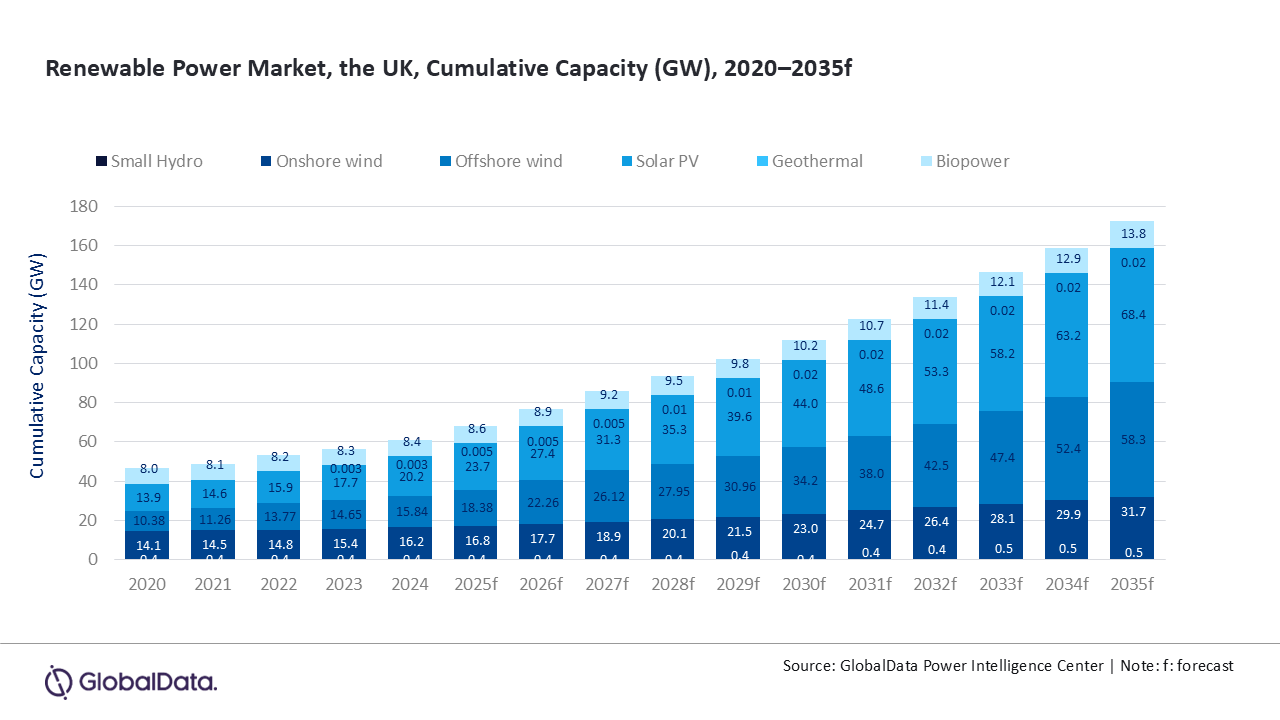
Solar power is set to play a leading role in the UK’s renewable energy expansion over the next decade, supported by government incentives and large-scale investment, according to GlobalData’s latest report United Kingdom (UK) Power Market Trends and Analysis by Capacity, Generation, Transmission, Distribution, Regulations, Key Players and Forecast to 2035.
The data and analytics firm forecasts that the UK’s total renewable power capacity will rise from 61GW in 2024 to 172.7GW by 2035 – a compound annual growth rate of 9.9%. Solar PV is expected to see a fast growth – tripling from 20.2GW in 2024 to 68.4GW by 2035.
This rise will be driven by CfD-backed utility projects, rooftop installations, and community energy schemes.
Wind power will remain a key pillar of the UK’s clean energy mix. Offshore wind capacity is projected to increase from 15.8GW to 58.3GW over the same period, supported by the Clean Power 2030 mission, ongoing CfD auctions, and major grid projects across the North Sea.
The UK’s offshore pipeline is among the world’s largest, strengthened by floating wind development and investment in ports and manufacturing in Teesside, Humber, and Scotland.
Onshore wind capacity is expected to nearly double from 16.2GW to 31.7GW, following the easing of planning restrictions and faster repowering approvals. Biopower will also expand, growing from 8.4GW to 13.8GW, as the UK pursues waste-to-energy and circular economy initiatives.
Mohammed Ziauddin, Power Analyst at GlobalData, said: “The UK’s clean energy growth is being powered by a robust framework that includes the CfD mechanism, the Clean Power 2030 mission, and the Net Zero Strategy, all providing long-term policy stability and investment certainty.”
While nuclear capacity is expected to fall from 5.9GW in 2024 to about 4.1GW by 2035, gas-fired generation will remain vital for system reliability as energy storage and hydrogen capacity scale up.
Zia added: “Offshore wind will be the centrepiece of the UK’s clean energy expansion, supported by record investment, policy stability, and grid modernisation.”
[Graph credit: GlobalData]
Don’t miss out on your free ticket to Solar & Storage Live London – the capital’s most exciting solar event. Or, find a Solar & Storage Live event near you.
by Solar&StorageXtra Team | Nov 3, 2025 | Europe, Large Scale Utility Solar, Storage
Distributed Energy Infrastructure (DEI) has completed a 7.1MW solar and 4MW battery storage project in Massachusetts, USA, on a site formerly occupied by a chemical manufacturing facility.
The land had been classified as an EPA Superfund site due to severe soil contamination, including asbestos.
The project, owned by Syncarpha Capital with racking provided by Terrasmart, was named a finalist in Solar Builder’s 2025 Project of the Year Awards in the 1–10MW category.
To ensure safe construction on the contaminated site, DEI implemented a series of environmental and health safeguards. Crews trained in hazardous materials handling followed specialised safety protocols, and excavation was kept to a minimum.
Most electrical infrastructure was built above ground to avoid disturbing the soil, while the system was designed around existing structures, such as old concrete slabs, to reduce site disturbance.
The company also worked with six regulatory agencies and developed contingency plans in case of hazardous material discoveries. When asbestos was found, certified specialists managed its removal under regulatory oversight.
“Projects like Acton show what it takes to responsibly bring clean energy to communities while addressing the challenges of building on historically contaminated land,” said Sean Harrington, President and CEO of Distributed Energy Infrastructure.
“By transforming a brownfield into a productive solar and storage site, we’re expanding access to renewable energy, strengthening the local grid, and putting otherwise unusable land back to work.”
The Acton project is expected to deliver long-term environmental and community benefits by repurposing contaminated land, preserving open space, and creating nearly 40 local jobs during construction.
The community solar model paired with battery storage will enhance grid resilience and generate new tax revenue for the town, supporting Massachusetts’ SMART and Clean Peak Standard programmes.
“Brownfield redevelopment is a powerful way to expand clean energy access while addressing the legacy of industrial contamination,” said Graeme Dutkowsky of Syncarpha Capital.
“This project demonstrates how … building brownfield solar projects can turn an underutilised site into a long-term source of reliable power and local economic value.”
[Image credit: Distributed Energy Infrastructure]
by Solar&StorageXtra Team | Nov 3, 2025 | Europe, Large Scale Utility Solar
Amazon says it has added nearly one gigawatt (GW) of renewable energy capacity to European electricity grids through 20 new wind and solar projects that came online this year.
The projects span five countries: 12 in Spain, three in Italy, three in Poland, one in Germany, and one in Greece, collectively capable of powering more than 700,000 European homes annually.
The company now supports over 230 renewable energy projects across Europe through power purchase agreements (PPAs).
These contracts provide developers with the financial certainty to build new clean energy infrastructure and feed additional renewable power into national grids.
Among the new projects are Baltic Eagle, one of Germany’s largest offshore wind farms, where Amazon has committed to offtake 189 MW of capacity, and the Miłkowice solar farm in Poland, its first renewable project in the country, with an 87 MW commitment.
Across Europe, Amazon has more than 40 operational renewable energy facilities, including 18 in Spain, eight in Finland, five in Sweden, four in Ireland, and two each in the UK, Italy, and the Netherlands. A further 70 projects are expected to come online by 2030.
The company says it is focusing on expanding in regions with carbon-intensive grids, including Poland and Germany, to accelerate decarbonisation across the continent.
“With more than 160 wind and solar projects in Europe, Amazon is helping to provide new sources of clean energy to local grids, creating jobs, and supporting local businesses as we progress toward powering our operations with 100% renewable energy by 2025,” said Lindsay McQuade, Amazon’s Director of Energy for EMEA.
Amazon claims to be Europe’s largest corporate purchaser of renewable energy and aims to power all its operations with renewables by 2025, five years ahead of its original target.
by Solar&StorageXtra Team | Oct 31, 2025 | Commercial & Industrial Solar, Europe, Everything Installer, Large Scale Utility Solar, Press Release
Press Release
Terrapinn is thrilled to announce the latest addition to its global clean energy portfolio, Solar & Storage Live Paris, taking place at Le Bourget, Paris, on 5–6 November 2026.
Doors open on Wednesday, 5 November, with more than 3,000 solar professionals expected to attend the debut edition.
France’s Premier Solar & Storage Event
Solar & Storage Live Paris will be France’s most exciting new exhibition dedicated to solar and energy storage. Organised by Terrapinn in partnership with Paris Le Bourget, the show is backed by leading sponsors Solis, Huawei, and SMA France, and supported by renewable energy associations including the Fédération Nationale de l’Énergie Solaire, Energy Storage Europe, France Renouvelables, and the Global Solar Council.
Over 150 exhibitors, including GoodWe, Heliup, FoxESS, Reonic, Rector, Sitetracker, and Sunman, will showcase cutting-edge solar and storage technologies alongside a vibrant mix of startups in the Start-up Zone.
A Must-Attend Event for the French Solar Community
With strong attendance expected from Paris and the Île-de-France region, the event provides a one-stop destination for installers, developers, property owners, landowners, and energy professionals. It’s free to attend for those who register on the website here.
The event offers an unparalleled opportunity to meet suppliers and partners, explore new technologies, and gain insights to grow business, increase revenue, and advance energy independence.
Richard Leach, Commercial Manager of Solar & Storage Live Paris, said:
“Our first edition will deliver a high-value experience focused on commercial outcomes. Exhibitors can expect access to EPCs, developers, and distributors, while attendees will benefit from practical insights, new technologies, and quality networking opportunities.”
Event Highlights
Exhibition:
Key players from across the energy value chain will gather to present the latest innovations driving solar and storage adoption in France. Headline sponsors include Platinum Sponsor Contact Italia, Gold Sponsors Sunman and Failte Solar, and Storage Theatre Sponsor Huawei.
Programme:
The two-day programme features four theatres and more than 150 speakers covering large-scale utility solar, commercial and industrial solar, energy storage and batteries, and residential solar. It opens at 10:00 on Wednesday, 5 November, with a keynote by Dominique Jamme, Director of the CRE – Commission de Régulation de l’Énergie.
Leaders from across the sector will share case studies, insights, and expertise on France’s evolving energy landscape. The conference is free to all attendees registered here.
Start-up Zone:
Over 100 emerging innovators will showcase technologies shaping the next generation of solar and storage solutions.
View more event highlights here.
Opening Times
- Wednesday, 5 November: 09:30 – 17:00
- Thursday, 6 November: 09:30 – 16:00
Find Out More
Discover more about Solar & Storage Live Paris and how to get involved.
France Solar Week marks the lead-up to Solar & Storage Live Paris, taking place 5-6 November. Haven’t registered yet? Don’t miss out on your free ticket by securing your place here.
Want to publish a press release? Submit your content here for review by our editorial team.
by Solar&StorageXtra Team | Oct 31, 2025 | Europe, Innovation
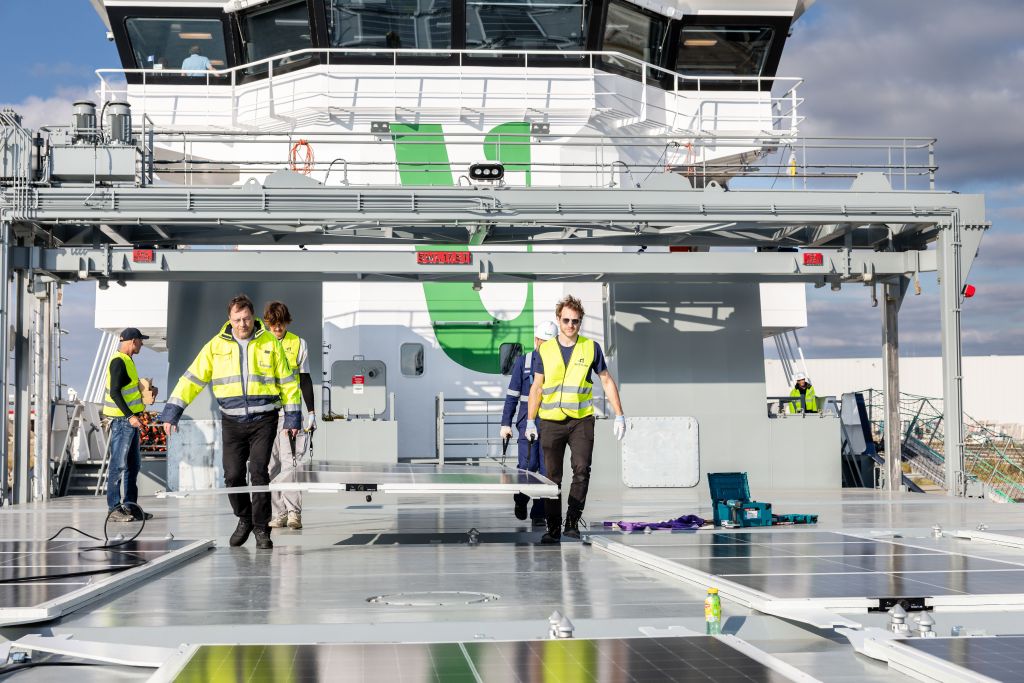
Dutch maritime solar specialist Wattlab has completed the first full-scale installation of its “Solar Flatrack” system on a commercial seagoing vessel – the 7,280dwt coaster MV Vertom Tula for Vertom.
The system consists of 44 flat-rack solar arrays totalling 79kWp, expected to supply around 20% of the vessel’s hotel-load electricity.
After two pilot installations, Vertom chose to equip the newbuild coaster with the system. The company operates a fleet of over 100 vessels ranging from 1,500 to 12,000 dwt, focused on short-sea shipping.
Wattlab coordinated production and assembly at its Rotterdam facility, completing the installation in one day at the Port of Harlingen using container-twist-lock fixings. CEO and co-founder Bo Salet said:
“For shipowners, time is money, so speed and ease of use are important. Furthermore, we know that ‘space is money’ too.
Hence, should the panels need to be removed to make way for a special type of cargo, the crew can easily stack and store them all on the footprint of one 20ft container.”
Vertom’s Business Development Manager, Thomas van Meerkerk, said:
“During the pilots, the test results showed that the Solar Flatrack system performs well in the tough coastal shipping environment. … We consider Wattlab’s Solar Flatrack an effective option for reducing GHG and pollutant emissions. … It’s clear that the system can provide both a positive ROI and contribute to CO₂ reduction in shipping.”
Salet added: “Another benefit is that the panels can stay on the hatch covers during loading and discharging operations. … The crew was sceptical at first, fearing a lot of extra work. However, they soon learned that in practice, Solar Flatracks are easy to use and require minimal maintenance.
“For example, there’s no salt crust formation, because the water can drain freely from the panels.”
The project has received independent validation from Dutch research organisation TNO, which will publish a report on emission reductions and return-on-investment.
Wattlab says the installation marks a milestone in the decarbonisation of coastal and short-sea shipping.
[Images credit: Wattlab]
by Solar&StorageXtra Team | Oct 31, 2025 | Europe, Large Scale Utility Solar
The UK government has unveiled its latest strategy, the Carbon Budget and Growth Delivery Plan, aiming to leverage the benefits of the clean energy transition while driving investment into new industries and jobs.
Published on 29 October 2025 by the Department for Energy Security and Net Zero, the plan sets out how the UK will continue to reduce emissions under the Climate Change Act 2008 while delivering tangible benefits for households and businesses.
Key initiatives include:
- Investing in renewable and nuclear power to reduce dependence on volatile fossil-fuel prices.
- Securing around 400,000 additional jobs in the clean-energy sector by 2030.
- Upgrading homes for five million families under the Warm Homes Plan to lower bills and increase warmth.
- Improving air quality through tree planting and energy transitions.
“Over the last 16 months, we have put clean energy and climate action at the heart of our government’s agenda – because we know it is the route to making the British people better off,” Secretary of State Ed Miliband commented in the official government statement.
“This is about delivering better lives for people today – from warmer homes and cleaner air to cheaper transport and increased access to nature – as we tackle the climate and nature crises to protect our home for future generations.”
Business leaders welcomed the direction. The Co-operative Group Chief Executive and co-chair of the Net Zero Council, Shirine Khoury-Haq, added: “Building on the significant progress that the UK continues to make in reducing its emissions, today’s announcement is another important step.
“Clear targets, policy stability and certainty are all key for businesses looking to plan and invest with confidence, and ultimately it’s businesses which drive growth and can unlock the creation of good, green jobs.”
While the plan outlines wide-ranging ambitions and sets out an accompanying investor prospectus, stakeholders emphasised that achieving results will depend on the detail and timely delivery of measures, particularly regarding energy costs and industrial competitiveness.
It has been additionally welcomed by climate advocacy groups, who note that this plan provides avenues for further investment in clean energy solutions such as solar.
Rachael Orr, CEO of Climate Outreach, noted: “This plan is right to highlight the benefits the clean energy transition can bring to people across the country.
“Almost three-quarters of us are worried about climate change… to deliver the ambitions in this plan, we have to ensure we engage people and communities on decisions that will affect them and work together to strengthen our communities, improve our daily lives, and secure a better future for everyone.”
In putting forward this growth-focussed climate plan, the government hopes to reflect its belief that “clean energy is the economic opportunity of the 21st century.”
Don’t miss out on your free ticket to Solar & Storage Live London – the capital’s most exciting solar event. Or, find a Solar & Storage Live event near you.
by Solar&StorageXtra Team | Oct 30, 2025 | Europe, Innovation
France’s solar sector has reached several significant milestones this year, underscoring the country’s growing role in Europe’s renewable energy transition.
Recent data and project developments highlight progress towards France’s 2030 renewable energy targets and showcase how innovation is expanding the nation’s solar capacity beyond traditional formats.
According to thinktank Ember, solar power generated around 6.9% of France’s electricity in 2023, contributing to a total renewable share of 27%. The country’s installed solar capacity has continued to grow steadily, with France targeting 100 GW of solar capacity by 2050 under its national energy strategy.
While nuclear power still provides most of France’s electricity, the expanding contribution from solar and wind demonstrates an accelerating diversification of the energy mix.
Record renewable generation
One of this year’s key achievements came during the summer, when France and the UK both recorded historic highs in renewable electricity generation. France produced 19.5GW of solar power at peak on 19 July 2025, covering almost 40% of national electricity demand at that time.
This record output highlights both the increasing scale of France’s solar fleet and the improving performance of its systems during high-irradiance periods. The achievement reflects the success of recent installation drives, including utility-scale parks in the country’s southern regions and growing rooftop generation across residential and commercial sectors.
Although such instantaneous highs depend on weather conditions, the milestone reinforces solar energy’s capacity to make a meaningful contribution to France’s power mix.
It also illustrates the need for continued investment in grid flexibility, energy storage, and demand-management systems to balance variable renewable output as capacity expands.
Europe’s largest floating solar power plant
Another major success in 2025 was the inauguration of Europe’s largest floating solar power plant, developed by Q ENERGY in partnership with Velto Renewables. Located in Perthes, Haute-Marne, the 74.3 MWp “Les Îlots Blandin” project spans 127 hectares of former gravel pits and consists of over 135,000 photovoltaic modules.
The facility is expected to generate enough clean electricity to supply around 37,000 people each year, while avoiding approximately 18,000 tonnes of CO₂ emissions annually.
Beyond its scale, the project demonstrates the potential of floating solar to utilise industrial or disused sites, reducing land-use pressures and opening new deployment opportunities across France.
Floating installations also bring technical and operational benefits, including improved module cooling and potential synergies with local biodiversity initiatives. The Perthes site represents a benchmark for similar projects now being explored nationwide.
Looking ahead
France’s record-breaking solar generation and the launch of the continent’s largest floating PV plant signal a sector entering a new phase of growth.
As policymakers continue to refine renewable energy frameworks and the private sector expands investment in diverse technologies, solar is set to play a central role in meeting national and European climate objectives.
These developments will be among the topics discussed at Solar & Storage Live Paris, where industry professionals will explore how innovation and collaboration are shaping the future of France’s clean energy transition.
France Solar Week marks the lead-up to Solar & Storage Live Paris, taking place 5-6 November. Haven’t registered yet? Don’t miss out on your free ticket by securing your place here.
by Solar&StorageXtra Team | Oct 30, 2025 | Europe, Oceania, Storage
Finnish technology group Wärtsilä has announced plans to deliver a major energy storage system in Australia – the company’s second DC-coupled project in the country and the largest of its kind within the National Electricity Market (NEM).
Once operational, the system will have the capacity to power up to 120,000 homes and businesses, supporting Australia’s renewable energy ambitions. The order will be booked by Wärtsilä in Q4 2025, with completion expected in 2028.
DC-coupled systems directly connect solar generation with battery storage via a DC/DC converter, helping to minimise energy losses and capture solar power that would otherwise be curtailed.
This approach improves system efficiency and grid stability, addressing the challenges of increasing solar and wind curtailment across the network.
The project recently secured approval for its Generator Performance Standards (GPS), a key milestone in advancing the design and integration of large-scale renewable generation and storage.
Supported by a 20-year service agreement, the system will utilise Wärtsilä’s optimisation technology to ensure reliable performance.
“This project is significantly larger than our earlier DC-coupled project, underscoring the need for this type of technology in expanding at scale,” said David Hebert, Vice President of Global Sales Management, Wärtsilä Energy Storage.
“DC-coupled technology is a breakthrough for hybrid renewable plants and a critical step towards establishing a financially viable renewable energy future. The project is a prime example of how hybrid renewable energy and storage solutions can help stabilise Australia’s grid while advancing decarbonisation goals.”
Wärtsilä’s GEMS software will manage the integration of the storage system and solar assets, ensuring coordination and optimised energy management.
This project marks Wärtsilä’s ninth battery energy storage system in Australia, expanding its local portfolio to 1.5GW / 5.5GWh of capacity, and contributing to the nation’s target of net zero emissions by 2045.
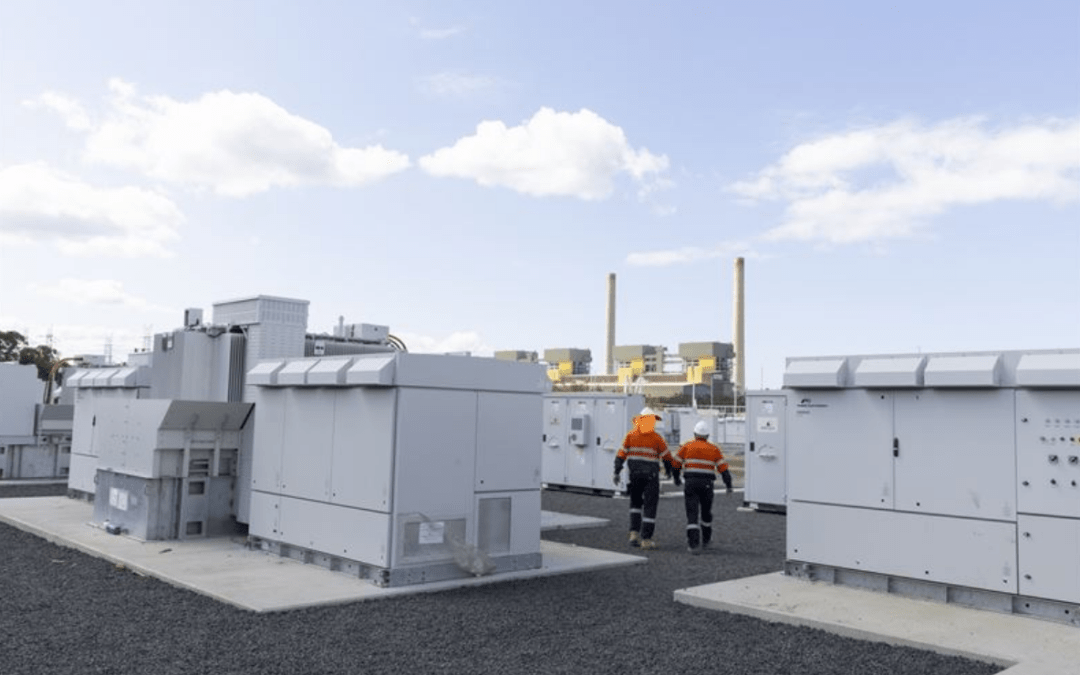
[Image caption: Stage 1 of the 700 MW / 2810 MWh Eraring battery in New South Wales, Australia, is currently under delivery. Image credit: Wärtsilä]
by Solar&StorageXtra Team | Oct 30, 2025 | Europe, Large Scale Utility Solar, Middle East
A consortium comprising France’s TotalEnergies and Saudi Arabia’s Aljomaih Energy & Water (AEW) has been awarded a contract by the Saudi Power Procurement Company (SPPC) to develop, build, and operate a 400MW solar power plant in As Sufun, Saudi Arabia.
The project was granted following a competitive tender process and will sell its electricity to SPPC under a 25-year Power Purchase Agreement (PPA). Expected to connect to the grid in 2027, the As Sufun plant will provide clean power to more than 68,400 homes.
Part of Round 6 of the National Renewable Energy Program (NREP), overseen by the Ministry of Energy, the project supports Saudi Vision 2030. The initiative aims to reduce reliance on liquid fuels in power generation and increase the share of renewable and energy storage capacity to up to 50% by 2030, depending on demand growth.
“Together with our partner Aljomaih Energy and Water Co, we are thrilled to contribute to Saudi Arabia’s target of increasing the share of renewables in its energy mix,” said Olivier Jouny, SVP Renewables at TotalEnergies.
“This project marks the second success for our consortium in the Saudi National Renewable Energy Program. TotalEnergies is a close partner of Saudi Arabia, where we are deploying our multi-energy strategy, notably through our participation in major refining and petrochemical assets.”
Ibrahim Aljomaih, Chairman of Aljomaih Energy and Water Company, commented: “We are proud to lead the development of the 400MW As Sufun Solar PV Project in partnership with TotalEnergies.
This milestone reflects our unwavering commitment to supporting the Saudi Green Initiative and advancing the goals of Saudi Vision 2030.”
Adnan Buhuligah, Acting CEO of Aljomaih Energy and Water Company, added: “The 400MW As Sufun Solar PV Project in Hail region demonstrates our ongoing efforts to expand our renewable energy investments in the Kingdom.”
The As Sufun project builds on TotalEnergies’ growing presence in the Kingdom, where it already operates the 119MW Wadi Al Dawasir solar plant and is constructing the 300MW Rabigh 2 project.