by Catie Owen | Jan 13, 2026 | Asia, Storage
Press Release
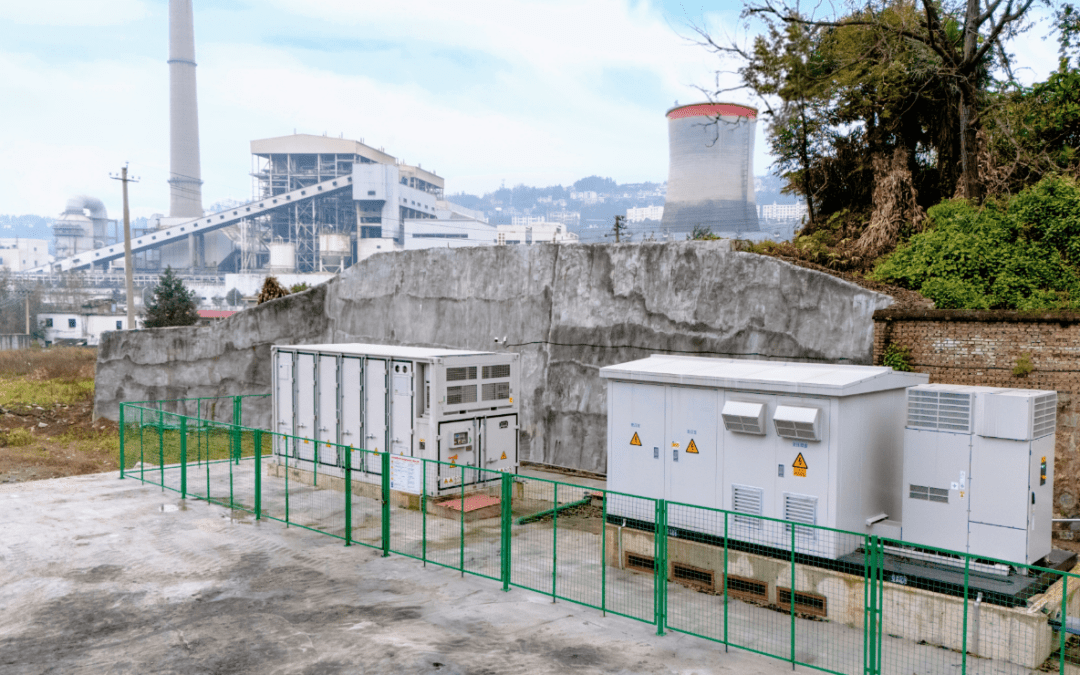
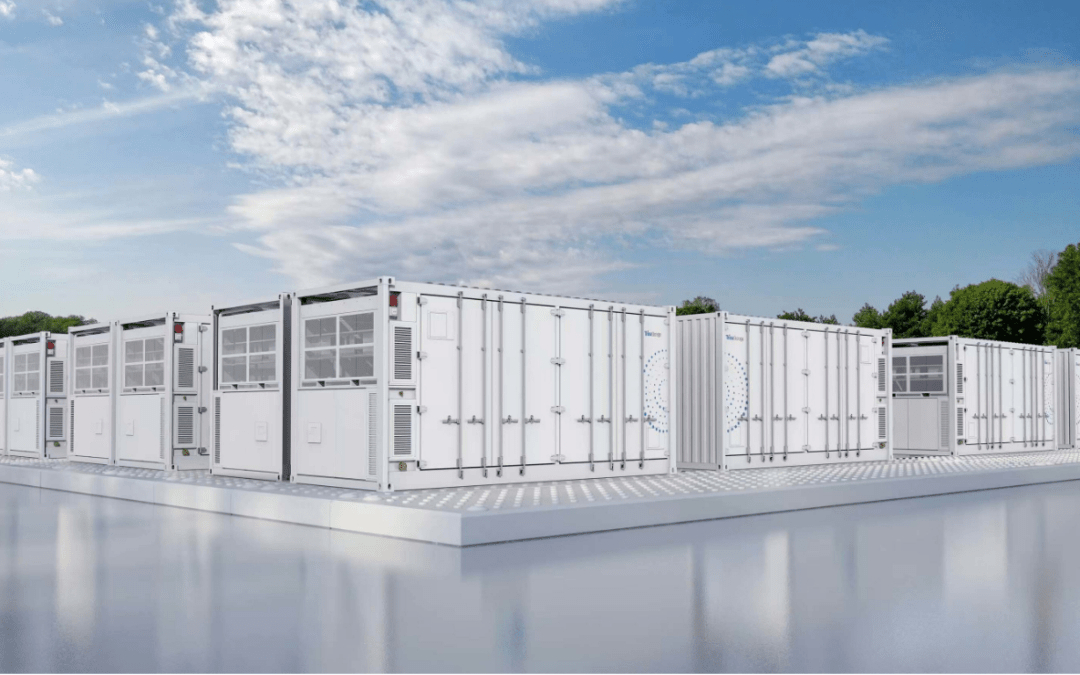
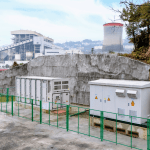
HyperStrong, in collaboration with Inovance, successfully commissioned a 2.5 MW / 3.343 MWh battery energy storage system (BESS) for a coal mine in China. The project has completed all testing and commissioning phases and is now officially in operation.
Designed specifically for the highly demanding and high-risk conditions of coal mining, the project represents a landmark application of electrochemical energy storage in the mining sector. It establishes a new benchmark for safety-oriented BESS deployment in industrial environments.
Coal mines are among the most dangerous industrial environments, where even brief power interruptions can rapidly escalate into serious safety incidents. By deploying advanced electrochemical energy storage solutions, HyperStrong ensures an instantaneous emergency power supply with higher reliability and safety.
The solution reduces maintenance demands, operational risks, and environmental impact while significantly strengthening the mine’s resilience against unexpected grid outages.
The project deploys HyperStrong’s flagship liquid-cooled battery energy storage system, featuring a highly integrated and flexible design with enhanced safety and operational efficiency.
Engineered for the special conditions of coal mines, including high temperatures, humidity, and heavy dust. The system features customised structural and protective enhancements to ensure long-term, stable, and reliable operation.
The system is developed in strict compliance with coal mine safety standards. It integrates mine-specific design and EMS control strategies, enabling rapid automatic switching to emergency operation during grid outages.
It ensures an uninterrupted power supply to critical safety loads, effectively mitigating outage-related risks and strengthening overall safety.
Truly valuable technology goes beyond performance metrics—it protects lives when it matters most. HyperStrong’s mining energy storage solution stands guard in high-risk, high-safety-demand scenarios, supporting stable operations and ensuring every miner’s safety during daily work.
HyperStrong will continue to advance its “Energy Storage + X” strategy by delivering scenario-driven energy storage solutions across a wide range of industrial applications, unlocking infinite possibilities.
Through continuous technological innovation and system-level optimisation, the company remains committed to building a safer, efficient, and intelligent energy ecosystem while supporting customers in reducing operating costs and improving energy efficiency.
[Image credit: HyperStrong]
Want to publish a press release? Submit your content here for review by our editorial team.
by Catie Owen | Jan 9, 2026 | Commercial & Industrial Solar, Europe, Large Scale Utility Solar, Market Reports, Storage
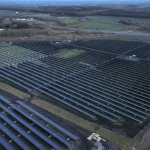
The UK solar market is accelerating rapidly, with capacity reaching 19.1GW in 2025 and over 1.8m installations nationwide.
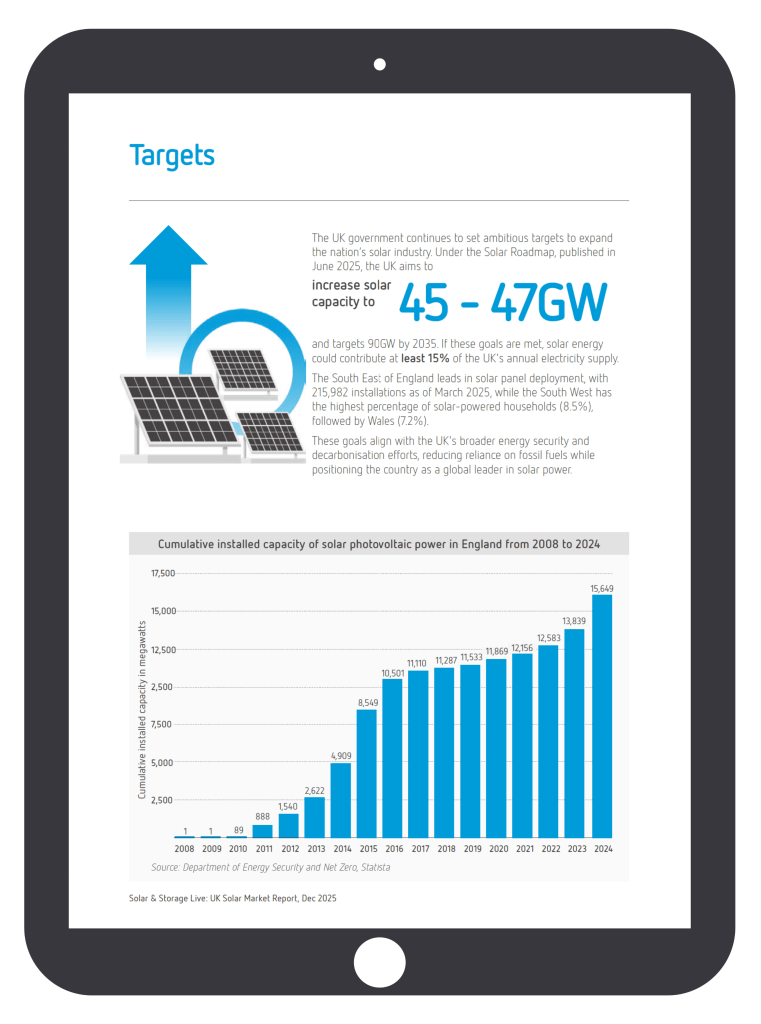 Supported by the launch of Great British Energy (GBE) and a £200m investment in clean energy, the sector is central to Britain’s mission to become a renewable energy superpower.
To navigate this evolving landscape, Solar&StorageXtra presents The UK Solar Market Report 2026, produced by Solar & Storage Live ahead of another busy year of solar and storage shows.
This essential guide offers deep-dive insights into the UK’s 6.8GW battery storage market, forecasts for utility-scale deployment, and the latest trends in commercial and residential solar.
Stay ahead of the UK’s clean energy transition.
Get your free copy of the UK Solar Market Report 2026.
Download the Report
We’re kicking off the year with Solar & Storage Live in London, so don’t miss out on your free ticket to the UK’s largest solar and storage show. Or, find a Solar & Storage Live event near you.
by Catie Owen | Jan 8, 2026 | Europe, Large Scale Utility Solar, Storage
In 2025, renewable energy accounted for 55.9% of Germany’s net public electricity generation, matching the previous year’s share.
According to data from the Fraunhofer Institute for Solar Energy Systems (ISE), wind remained the primary producer, while photovoltaics (PV) rose to second place, overtaking lignite for the first time.
Renewable performance and targets
Wind power generated 132TWh, a 3.2% decrease from 2024 due to poorer wind conditions. Sector expansion remained below national targets, with only 68.1GW of the planned 76.5 GW installed.
Conversely, PV production grew by 21% to approximately 87TWh. This shift aligns with a broader EU trend where solar generation surpassed the combined total of lignite and hard coal for the first time.
Total renewable generation reached 278TWh, falling short of the 346TWh target set for 2025. This shortfall is largely attributed to the slow expansion of onshore and offshore wind.
Furthermore, while solar capacity reached 116.8GW, the sector requires 22GW of new installations in 2026 to meet upcoming targets.
Storage and system impacts
The battery storage sector saw significant growth, with large-scale capacity increasing by 60% to 3.7GWh. Leonhard Gandhi, project manager at Fraunhofer ISE, noted the significance of this trend:
“The ramp-up of large-scale battery storage is fundamentally changing the way the German electricity system works. While effects on short-term flexibility provision are already visible, systemic impacts, e.g., on reserve power plants, can only be estimated at this stage.
“These developments require battery storage to be explicitly considered for expansion planning, system planning, and electricity market design.”
Generation from fossil fuels stagnated as rising natural gas consumption offset a 3.9TWh decline in lignite production. Consequently, carbon dioxide emissions remained stable at 160m tons.
In the trading sector, Germany’s net import surplus fell to 21.9TWh. This decline was driven by lower gas prices and higher electricity exchange prices, which averaged €86.55/MWh – a 10.9% increase over 2024.
Looking ahead
While the 2025 data showed rising exchange prices, 2026 is expected to see a “subsidised decline” in consumer costs.
In November 2025, Germany confirmed an Industrial Power Price Subsidy, which went into effect on 1 January 2026. This will cap industrial electricity prices at 5 cents per kWh, with an aim of protecting energy-intensive sectors like steel and chemicals.
Furthermore, the German battery industry’s rapid growth underscores the nation’s role as a European storage hub. As Germany’s total renewable energy generation has fallen, we may see a shift towards even greater investment in the country’s storage sector.
[Graph credit: Fraunhofer Institute for Solar Energy Systems (ISE)]
by Catie Owen | Jan 7, 2026 | Asia, Commercial & Industrial Solar, Storage
LONGi Green Energy Technology Co. has announced a strategic shift to replace silver with base metals in its solar cell production.
The move comes in response to escalating costs and intense market competition, which have pressured the industry’s profit margins.
Mass production of these base-metal solar products is scheduled to begin in the second quarter of 2026. According to a company filing on 5 January, the transition is intended to “further lower the costs of solar modules.”
The economic pressure of silver
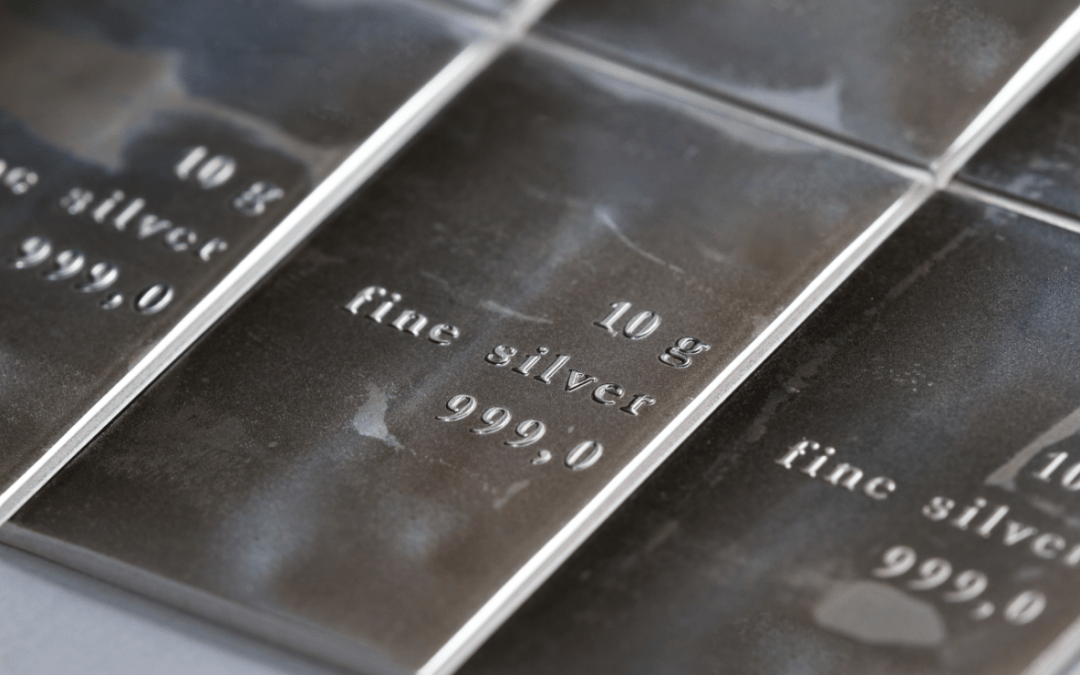
The solar industry has long sought to reduce its reliance on silver, but recent market volatility has accelerated these efforts. According to BloombergNEF, silver now accounts for 14% of the cost of solar modules, a significant increase from 5% two years ago.
The price of silver has seen a dramatic trajectory:
- 2025 performance: The metal’s price surged 150% last year, driven by demand from the tech sector, global uncertainty, and the US Federal Reserve interest rate cuts.
- Current market: As of Tuesday, silver prices rose over 5% to approximately $80.73, nearing the all-time high of $83 recorded in late December.
- Geopolitical factors: Some analysts attribute the recent spike to China’s new export restrictions and increased global uncertainty following the US’ capture of Venezuelan president Nicolás Maduro.
China’s export restrictions
China, a dominant global producer, has limited the number of companies authorised to export silver to 44, which some analysts believe may create a “local surplus”.
Other analysts have compared the situation to previous restrictions on rare earth minerals used to maintain control over critical resources.
The restrictions have drawn criticism from industry leaders, as the metal remains vital for high-growth sectors, including electric vehicles (EVs) and AI data centres. Elon Musk, CEO of EV giant Tesla, commented on his social media platform X: “This is not good. Silver is needed in many industrial processes.”
LONGi’s pivot
LONGi’s pivot is supported by its specific focus on back-contact (BC) solar cells. While “TopCon” technology currently holds a larger market share, LONGi maintains that BC cells are better suited for material substitution.
Beyond solar cell innovation, LONGi said in its Monday statement that it will expand its new energy storage business. The company plans to focus its storage efforts on the domestic Chinese market as well as Europe, the US, and Australia.
by Catie Owen | Dec 17, 2025 | Europe, Press Release, Storage
Press Release
In the capacity market auction held in December 2025, R.Power was awarded capacity contracts for five battery energy storage projects with a combined capacity of 1,012 MW and 4,032 MWh.
This further strengthens the company’s position as a leading provider of large-scale energy storage solutions in Poland.
R.Power announces new long-term capacity agreements for five utility-scale battery energy storage projects.
The portfolio includes Dzięgielewo with a capacity of 300 MW and 1,200 MWh, Czekanów with 300 MW and 1,200 MWh, Jawiszów with 202 MW and 808 MWh, Wysoka with 202 MW and 808 MWh, and Wrzosowa with 8 MW and 16 MWh, totalling 1,012 MW and 4,032 MWh. These projects will support the stability of an increasingly renewable power system and enhance the long-term security of electricity supply in Poland.
This outcome builds on R.Power’s successes in previous capacity market auctions. In 2024 the company had already secured contracts for four major BESS projects. These include Herby (5 MW and 10 MWh), Jedwabno (150 MW and 300 MWh), Tursko Wielkie (250 MW and 1 000 MWh), and Gdańsk (250 MW and 1 000 MWh).
Combining all BESS projects with capacity contracts secured, R.Power portfolio in Poland amounts to nine projects with a total capacity of 1 667 MW and 6 342 MWh.
“Reaching a total of around 6.3 GWh of contracted battery storage capacity marks an important moment for R.Power and for the Polish energy system. The scale of our storage portfolio now positions us among the leaders of the emerging BESS market.
“At the same time, we are seeing significant advances in battery technology, which enable the development of increasingly large and complex projects. We remain fully committed to delivering the flexibility solutions that the power system urgently needs,” said Przemek Pięta, CEO and co-Founder of R.Power.
[Image credit: R.Power]
Want to publish a press release? Submit your content here for review by our editorial team.
by Catie Owen | Dec 15, 2025 | Europe, Storage
Press Release
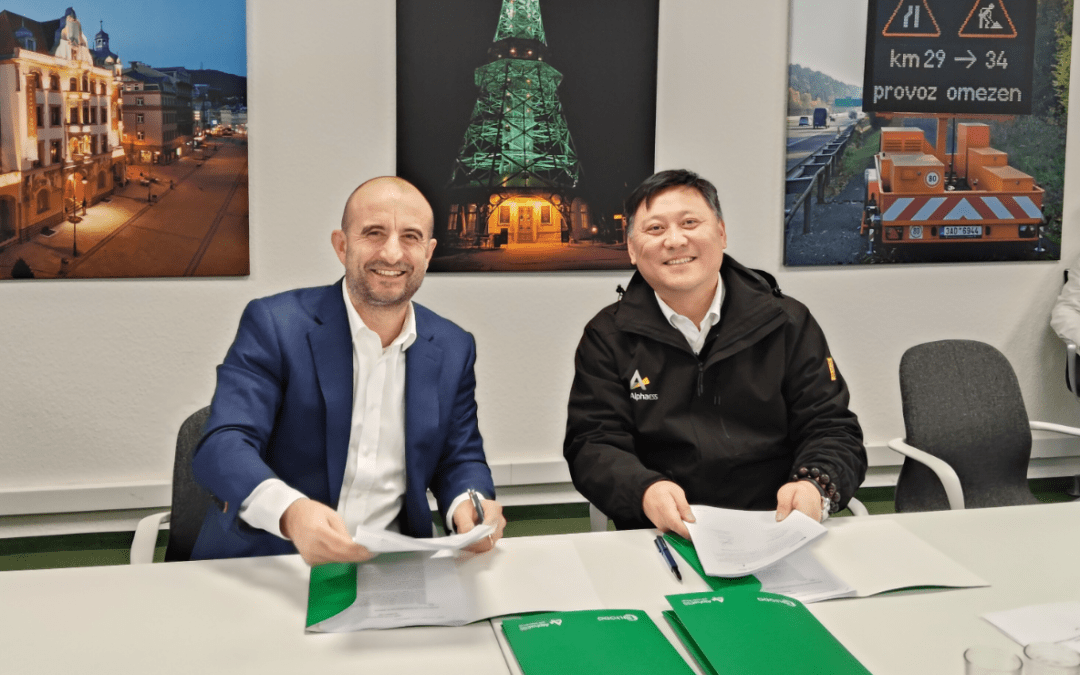
AlphaESS, a global leader in energy storage solutions and a BloombergNEF Tier 1 certified manufacturer for Q4 2025, has formally signed a cooperation agreement with EPC partner Eltodo a.s. to deliver a combined 320MWh large-scale battery energy storage system (BESS) across two strategic sites in the Czech Republic: BESS Chvaletice and BESS Kladno.
Once completed, the projects are set to become the largest Stand-alone energy storage installations in the country, marking a significant step forward in the Czech Republic’s energy transition and grid modernisation efforts.
Aster 5000 deployed at scale to support national grid stability
Under the agreement, AlphaESS will supply 46 units of Aster 5000 for the Chvaletice site and 18 units of Aster 5000 for the Kladno site. The systems will primarily support frequency regulation and other grid ancillary services, enhancing the reliability, flexibility, and responsiveness of the regional power network.
Project background and application needs
As the Czech power system undergoes rapid transformation, the demand for flexible grid regulation resources is steadily increasing.
With renewable energy capacity expanding quickly and traditional balancing units being gradually phased out, the customer has chosen to deploy AlphaESS large-scale energy storage systems to provide fast frequency regulation, stabilise grid frequency, and deliver key ancillary services such as voltage support and reserve capacity.
These large-scale BESS installations also strengthen regional grid resilience, mitigate fluctuations caused by solar and wind generation, and enable higher renewable energy penetration.
Driven by these core needs, the Chvaletice and Kladno energy storage projects were developed to provide essential flexibility and stability support for the Czech grid.
A collaboration built on technical expertise
To meet the demanding requirements of the Czech grid, AlphaESS is supplying the Aster 5000, a 5MWh liquid-cooled energy storage system designed for reliability, rapid deployment, and long-term grid support.
The system features a fully integrated 20-foot design that combines the battery system, BMS, EMS, and fire-protection system into a single container, significantly reducing onsite installation and commissioning time while enabling fast, large-scale rollout.
The Aster 5000 is built with a comprehensive multi-layer safety architecture that ensures robust protection from the cell level to the system level. Its liquid-cooling design, advanced thermal management, and coordinated protection mechanisms deliver stable operation even under demanding grid-side conditions.
To guarantee delivery quality, every unit undergoes a full factory acceptance test (FAT) before shipment, a level of rigor rarely seen in large-scale energy storage manufacturing.
In addition, the system incorporates cell-level bi-directional active balancing, enhancing operational efficiency and extending system lifetime by more than 10%.
This makes the Aster 5000 ideally suited for long-duration grid applications and large commercial and industrial scenarios that require high performance and strong operational resilience.
Eltodo a.s., acting as the EPC, will oversee site development, civil engineering, and project execution. The combined expertise ensures high technical robustness, rapid delivery, and long-term operational reliability.
A strategic milestone for AlphaESS in Europe
With a growing portfolio across the EU region, the Chvaletice and Kladno projects reinforce AlphaESS’s position as a leading global supplier of utility-scale energy storage solutions.
“These projects not only mark a major milestone for the Czech Republic but also reflect AlphaESS’s expanding role in enabling grid modernisation and renewable energy integration across Europe,” said Alfred, CEO of AlphaESS. “We are proud to work with Eltodo and support the country’s transition toward a resilient, low-carbon energy future.”
[Image credit: AlphaESS]
Want to publish a press release? Submit your content here for review by our editorial team.
by Catie Owen | Dec 12, 2025 | Americas, Storage
Press Release
Trina Storage, a global leader in energy storage, announced its expanding strategic partnership with Lightshift Energy (Lightshift), a leading US developer, owner, and operator of energy storage systems. This partnership will deliver a portfolio of energy storage projects totalling more than 1GWh across the United States.
The portfolio will utilise Trina Storage’s Elementa 2.0 & 2.5 energy storage solution, which is engineered for high efficiency, intrinsic safety, and dependable performance under diverse operating conditions. These installations will support utilities and local communities through enhanced grid stability, peak-load management, and flexible capacity, as increased power demand and extreme weather threaten grid stability nationwide.
The partnership will strengthen Lightshift’s unique position deploying fleets of distribution-connected batteries, enabling fast, scalable delivery and direct support for load growth while improving reliability and generating significant savings for Lightshift’s customers.
Trina Storage and Lightshift have previously demonstrated successful collaboration and strong execution, including four projects in Groton, Holden, and Paxton, Massachusetts in 2024. During a Northeast heatwave, Trina Storage commissioned two sites ahead of schedule, providing critical capacity to local utilities during periods of elevated demand.
These results highlighted the effectiveness of coordinated planning, responsive delivery, and consistent system performance in the field.
The continuing partnership and large GWh portfolio highlight Trina Storage’s expertise in US energy storage project engineering, certification, commissioning, and operations. Supported by regional teams and partners, the company delivers local system integration, EMS coordination, grid testing, and onsite commissioning, ensuring efficient project execution and reliable performance.
“We are pleased to continue our collaboration with Lightshift through this significant milestone,” said Doug Alderton, Head of Sales, Trina Storage North America. “Our earlier joint projects demonstrate what our strong partnership can accomplish under demanding conditions.
Trina Storage is dedicated to delivering more reliable, flexible energy storage to communities across the US and we look forward to supporting Lightshift in making our shared vision a reality.”
“Lightshift is committed to scaling high-value storage assets that support the reliability and evolution of the US power system,” said Mike Herbert, Managing Partner at Lightshift Energy.
“We are proud to continue our work alongside Trina Storage on projects that advance our strategy and reflect our continued focus on delivering solutions that strengthen grid resilience, address load growth, and provide consistent, high-quality performance for the customers and communities we serve.”
As Trina Storage further grows its presence in North America, this expanded partnership highlights the company’s long-term commitment to supporting secure, efficient, and resilient energy infrastructure for the future.
[Image credit: PRNewsfoto/Trina Storage]
Want to publish a press release? Submit your content here for review by our editorial team.
by Catie Owen | Dec 12, 2025 | Europe, Press Release, Storage
Press Release
Finnish solar energy company Solnet Group and Dutch energy management software (EMS) and battery specialist iwell are teaming up to help businesses across the UK and Europe build smarter, more resilient energy systems in an increasingly volatile market.
Announced today during the trade mission between Finland and the Netherlands, the partnership primarily targets companies in the UK, Netherlands and Germany, where demand for secure, sustainable, and affordable energy solutions is rapidly increasing.
Utilising its deep technical expertise, Solnet’s strong customer network and full-scope capabilities enable the design, engineering and delivery of large-scale solar and battery installations.
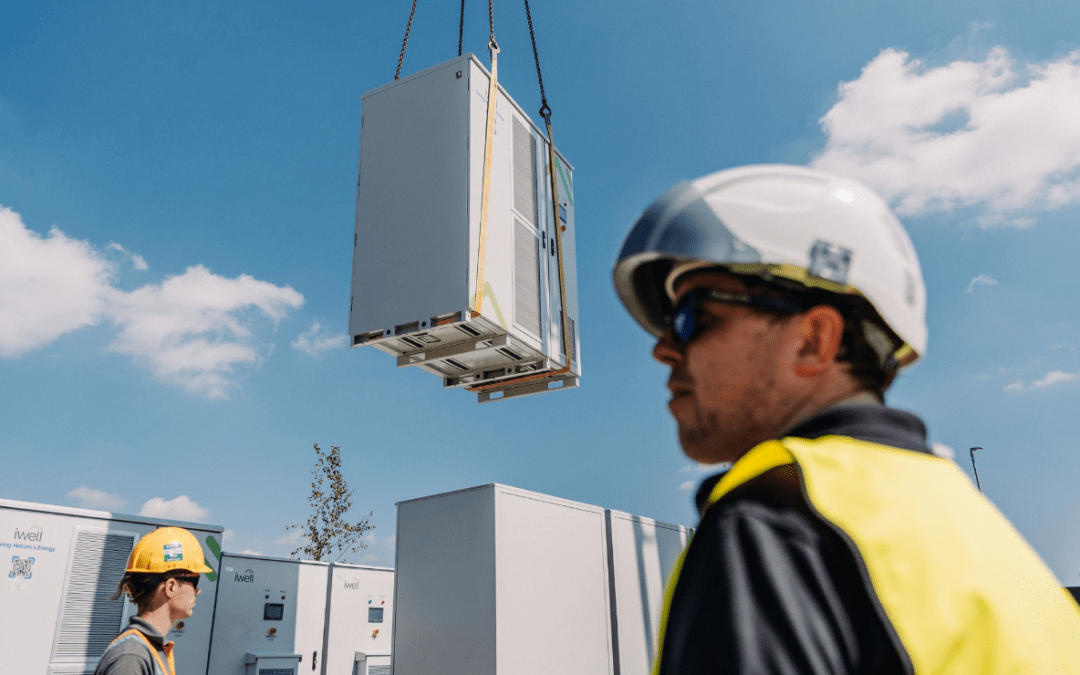
Meanwhile, iwell’s battery storage systems and smart energy management software solutions help businesses optimally use their generated energy. By combining these strengths, an integrated solution emerges that enables companies to generate, store, and better deploy their own energy when the grid is congested or electricity prices spike.
Solution for uncertain energy market
The partnership is cited by both companies as coming at a crucial time, as geopolitical tensions and pressure on the electricity grid are establishing a growing urgency in Europe to become less dependent on external factors.
This is being reflected in the increasing number of businesses seeking control over their energy consumption and supply, as well as ways to reduce costs and ensure continuity.
In the Netherlands, the congested power grid has forced businesses and energy companies to be creative with on-site storage and advanced energy management software.
These applications are generating valuable knowledge that other markets, including Finland, can reference. Solnet sees in iwell’s technology and experience as an opportunity to bring this Dutch advantage to the UK and other European markets more quickly.
Jan Willem de Jong, CEO and founder of iwell, says: “Energy is a key factor for the UK’s security, and also the EU in general. The good news for businesses is that the road to affordable energy independence happens to be based on clean energy.
With this collaboration, we can help businesses in the UK, Finland, Germany and Benelux simultaneously to better manage their energy costs and become more independent.”
Integrated approach for businesses
In practice, the partnership means that Solnet becomes the primary point of contact for customers, overseeing both the build and delivery of the solar energy installations. iwell will provide the batteries and energy management software that controls all energy flows.
Customers will receive an integrated solution combining solar panels, battery storage and an EMS, simplifying implementation while delivering a more efficient, well-balanced energy system.
Arttur Kulvik (Chairman Solnet Group) adds: “By combining our technologies, we can help companies manage their energy more intelligently. They are less dependent on peak prices and can better respond to fluctuations in supply and demand. This makes them more resilient in a changing market.”
Both companies aim to finalise a definitive partnership agreement in the first half of 2026.
Want to publish a press release? Submit your content here for review by our editorial team.
by Catie Owen | Dec 11, 2025 | Africa, Large Scale Utility Solar, Storage
EDF power solutions has formally joined the Obelisk hybrid energy project in Egypt, acquiring a 20% stake in the project company.
The project, situated in the city of Nagaa Hammadi, near Luxor, is a large-scale facility combining a 1.1GW solar plant with a 100MW/200MWh battery storage system.
The French firm finalised a shareholder agreement with the existing partners: Scatec, a renewable energy solutions provider that holds 60%, and Norfund, the Norwegian investment fund for developing countries, which owns 20%.
Obelisk is set to supply competitive electricity to the Egyptian grid via a 25-year Power Purchase Agreement (PPA). The project’s commissioning is planned in two phases: phase 1 is scheduled for the first half of 2026, with phase 2 following in the second half of the same year.
This initiative supports Egypt’s national objective to achieve 42GW of renewable energy capacity by 2030.
This transaction represents a further step in EDF power solutions’ development strategy within the country. The company already operates two plots in the Benban solar power plant and is the largest shareholder of KarmSolar, a leading solar utility company.
EDF power solutions is committed to supporting Egypt’s energy transition through renewables, storage, and low-carbon electricity production assets.
Commenting on the development, Bénédicte Regnier, EDF power solutions Executive VP Africa, stated: “EDF power solutions is thrilled to announce this partnership with Scatec and Norfund in Egypt.
After its investment in Benban and in KarmSolar, and alongside with promising development in green hydrogen, EDF power solutions investment into the Obelisk project is another demonstration of its long-standing relationship with Egypt.”
Visit Solar & Storage Live Egypt in New Cairo, 6-7 April 2026. Get your ticket here, or find a Solar & Storage Live event near you.
by Catie Owen | Dec 11, 2025 | Commercial & Industrial Solar, Europe, Large Scale Utility Solar, Storage
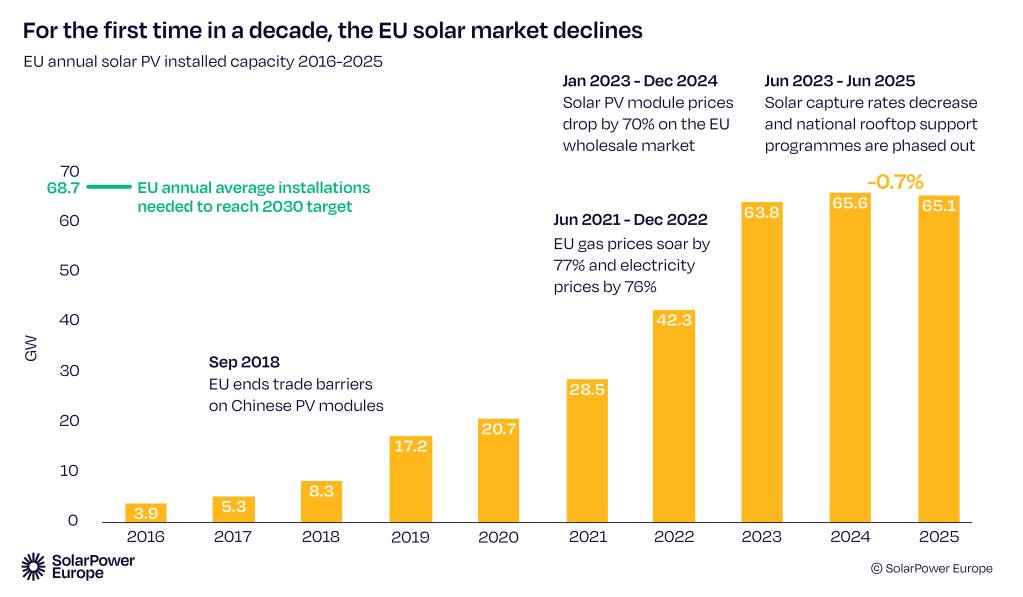
According to a report from SolarPower Europe, the European Union’s solar power boom has faded, with annual installations contracting for the first time since 2016.
The EU installed 65.1GW of solar capacity in 2025, marking a 0.7% decline from the 65.6GW installed the previous year.
Despite the downturn, the bloc surpassed a mid-decade milestone, reaching an estimated 406GW of total installed solar capacity across the EU by the end of the year, exceeding the 400GW target set in the 2022 EU Solar Strategy.
However, the slowdown is projected to continue through 2026 and 2027, with the annual installation returning to 2025 levels only around 2030, with roughly 67GW. This trajectory suggests the EU will fall short of its ambitious 750GW solar target for 2030.
“The number may seem small, but the symbolism is big,” said Walburga Hemetsberger, CEO of SolarPower Europe.
“This interruption in solar market growth comes at a pivotal moment when acceleration is essential. Solar is now delivering for Europe; 13% of Europe’s electricity was solar powered in 2025. In June we provided the most power out of all other sources in the EU.”
Hemetsberger added that it is “critical that policymakers now implement robust frameworks for electrification, system flexibility, and energy storage to ensure solar leads Europe’s energy transition for the rest of this decade.”
The market faltering is attributed to several factors, including an uncertain post-energy crisis environment that has led to cuts in rooftop support schemes and a perceived softening of energy price pressure on households.
Home rooftop solar, which was responsible for 28% of EU installed capacity in 2023, dropped significantly to account for only 14% in 2025.
In a segment shift, solar farms accounted for over 50% of installed solar capacity for the first time. However, this standalone solar segment faces increasing challenges to profitability, with a rising number of negative pricing hours reducing revenues.
Report highlights:
- Germany and Spain retained their positions as the EU’s largest, driven by utility-scale projects.
- France overtook Italy for the third-largest capacity, propelled by strong commercial and utility-scale expansion.
- Italy’s rooftop sector contracted following the phase-out of support schemes.
- Romania and Bulgaria entered the top 10 for the first time.
- The Netherlands’ ranking dropped significantly.
- Half of the top ten markets – Italy, Poland, Greece, the Netherlands, and Portugal – installed less solar in 2025 than in 2024.
Addressing common EU-level barriers, the report’s policy recommendations focus on redefining energy security around renewable sources, adopting a comprehensive strategy for flexibility, improving permitting procedures, boosting the rooftop solar market, and making solar supply chains more sustainable.
[Graph credit: SolarPower Europe]
by Catie Owen | Dec 4, 2025 | Europe, Large Scale Utility Solar, Storage, Video
The future of the UK’s energy sector hinges on a skilled workforce. At this autumn’s Solar & Storage Live UK, we caught up with Sturge Mazzocchi, Head of Solar Careers UK at Solar Energy UK, a key initiative dedicated to meeting the industry’s ambitious growth targets.
With the support of Solar Energy UK, Sturge is driving the programme’s clear vision to guide everyone into solar employment.
In this interview, he details the strategy for supporting recruitment and training, the challenge of securing 15,000 new workers by 2030, and the innovative work being done through the Recruitment Zone and the Installer Training Hub at the show.
“For us to reach our targets, those priority roles need to come mainly from deployment. Once you can fulfil your deployment side… your supply chain follows off the back of that.”
What is the Solar Careers Programme, and how has it evolved since launch?
The Solar Careers programme is a key action stemming from the government and industry solar roadmap, which aims to reach 60GW of solar by 2030. Since its launch, I’d say we’ve become far more crystalline – and by that, I mean clearer – in its vision, which is to guide every person possible into solar careers.
We do that in three principal ways. Firstly, we promote career opportunities to key audiences. We’re very much focused on deployment and maximising the number of qualified people we can get into those roles, primarily to raise awareness of the roles we have.
Secondly, we support recruitment in the area. This isn’t just about awareness but actively getting people into jobs and growing the workforce. And the third part is to promote training opportunities to keep the workforce upskilled and current.
By focusing on these three areas, we are meeting the aims and the vision of the Solar Careers programme.
In your view, what does success look like for the Solar Careers programme?
Given the target of 60GW by 2030, how do we measure the success of the Solar Careers programme by then? In numbers, success looks like an uplift of around 15,000 more people working in the industry.
Our industry needs to grow to 43,000 jobs. At the moment, we have around 20,000 people in the workforce, and by 2035, we need to get to 43,000. That’s an uplift of 23,000 in total.
When designing the strategy for the Solar Careers programme, you need to know exactly how many people you need to grow by per year. It’s quite a difficult forecast to make because there are so many factors that could stimulate that amount of growth. For example, if there aren’t the right specific apprenticeships, how are we going to educate people in the right way?
We recognised that it would take a few years to put these things in place, so in years one and two, we’re starting to make progress. We’re looking to support the growth of the industry by 500 people in year one (2025).
In 2026, we feel we could go to an extra thousand, so 1,500, and then 1,500 by 2027. That gets us to an extra 3,000. From there, you’d be in a position to start ramping up, as much of the necessary infrastructure would be in place. That’d get us to the 15,000 I mentioned.
This is what the runway looks like for the Solar Careers Programme, and we’re monitoring the ways we’re supporting the growth of the industry.
What are some of the biggest challenges the programme has faced so far?
One of our biggest challenges is securing skilled workers for our most in-demand roles.
At Solar Energy UK, we are in a position to mobilise and bring together all the different sectors of the industry, as well as businesses that perform different functions and services. They come together and highlight the most in-demand roles that they may need support fulfilling.
For us to reach our targets, those priority roles need to come mainly from deployment. Once you can fulfil your deployment side – installers, engineers, those sorts of roles – your supply chain follows off the back of that.
Our biggest challenge is essentially developing a skilled workforce. In the domestic and commercial sectors, we mainly need installers, as well as design engineers and project managers. For utility-scale, the main role is operations and maintenance site technicians.
These are the most in-demand roles that we need to grow the industry. Once we can start to fulfil these roles at scale, the rest will follow on afterwards.
What innovations has the Solar Careers Programme developed to encourage interest in the sector?
In terms of innovation, I would say that we’re trying to adopt and use the latest technologies and advancements available at our disposal. But we’ve also created some new functions this year to further our goals.
Our new skills steering group has created standardised job descriptions that have been agreed across businesses. They have an agreed set of roles and responsibilities and required qualifications, which we can then begin to promote as one of the most in-demand roles.
Alongside this, we’ve routes to competence. As part of that, we’ve developed a career map for people coming into the industry. Solar Energy UK has been helping the initiative I’m heading up, Solar Careers UK, to make these. We can then use that to mobilise an audience interested in entering the industry.
We are building a solar talent pool. This addresses the challenge of continuing engagement with interested individuals after their initial interaction, whether through our website or a recruitment event. Instead of relying on them to return unguided, we capture their interest.
How can we continue that engagement, given that they wanted to come into the industry? We ask them to register their interest, and we create a talent pool of people we can communicate directly with, giving them all this guidance over time. We currently have 7,200 people who are interested in joining the industry, which we’ve grown in a short space of time.
We will continue to do as much as we can to meet our vision, which is to guide every person possible into a solar career.
Your partnership with Solar & Storage Live UK has helped establish the Installer Training Hub and the Recruitment Zone. What does this mean for Solar Energy UK?
Firstly, I would really want to thank Solar & Storage Live for working in partnership to put these features on. Without us working together and putting them together each year and providing that platform, it really wouldn’t be possible.
If we look at the Recruitment Zone, across the show’s three days, over 250 candidates will come and meet businesses that have live job vacancies for introductory interviews.
This is really important for us because that’s 250 more people we can promote the different types of jobs, the different technologies, and the different services we have in the industry, and show why it can be an attraction.
For the Installer Training Hub, this addresses the third part of what we aim to deliver: promoting training opportunities and upskilling the workforce.
We’ve got nine businesses in there that are putting on training workshops throughout the three days. There will be over 2,500 installers who will engage with approximately 20-minute workshops and practical installer demos across a range of areas.
We have ground-mount installations, domestic and commercial mount and module installations, battery and inverter technologies, and MCS training, covering the latest fire classifications and how to be certified.
Missed out on Solar & Storage Live UK? Get your free ticket to Solar & Storage Live London – the capital’s most exciting solar event. Or, find a Solar & Storage Live event near you.
by Catie Owen | Dec 3, 2025 | Oceania, Press Release, Storage
Press Release
The Centre, led by TAFE Queensland, is a joint initiative between the Australian and Queensland Governments to support the growth of current and emerging battery technologies through innovative education and training.
With demand for battery installations rising, driven by the Federal Government’s Cheaper Home Batteries Program, the pilot program responds to urgent workforce needs by offering funded training.
Developed in close consultation with industry, the pilot program aims to address skill gaps and reduce safety risks.
The TAFE Centre of Excellence Clean Energy Batteries Executive Director Shawn O’Sullivan said the training is open to the entire energy workforce, including trade assistants, apprentices and licensed electricians.
“The funded training aims to reduce barriers to access, participation and skill development across the industry,” O’Sullivan said. “Through the Centre’s pilot program, seven micro-credentials and one skill set will be delivered by TAFE Queensland.
“Five micro-credentials are open for enrolment now, with the remaining courses launching in early 2026. The micro-credentials can be completed in a few hours, they’re self-paced and online, providing accessible learning opportunities for battery workers across Australia,” he said.
The pilot program will also promote the harmonisation of delivery in battery installation standards across Australia’s TAFE network, with educators also able to access the funded courses, equipping them with the skills to deliver consistent, high-quality training.
Energy and battery workers can enrol in the free online micro-credentials by visiting the Centre’s website.
Want to publish a press release? Submit your content here for review by our editorial team.
by Catie Owen | Nov 28, 2025 | Innovation, Storage
As the global energy transition accelerates, a new report by the International Renewable Energy Agency (IRENA) highlights the critical role of sodium-ion batteries (SIBs) in the future of stationary energy storage.
‘Sodium-Ion Batteries: A Technology Brief’ demonstrates that, with renewable capacity expanding, “energy storage technologies, including batteries, are crucial for improving the flexibility of power systems while maintaining grid stability”.
For the solar storage sector, which requires reliable and scalable solutions, SIBs offer a compelling alternative to dominant lithium-ion chemistries. The report finds that “one of the most promising applications for SIBs is stationary storage”, driven by distinct advantages in resource availability.
Unlike lithium, “sodium is far more abundant than lithium – around 1,000 times more abundant in the Earth’s crust”, which offers significant insulation against market volatility. Consequently, “wide material availability can reduce supply chain risk, support lower costs, and make SIBs a promising alternative to LIBs”.
This cost-effectiveness is vital for large-scale solar integration. The report explains that battery storage aids in “optimising the operation of renewable generation”, a key requirement for managing the intermittency of solar power.
Furthermore, SIBs can facilitate “peak shaving, that reduces demand for power generation during periods of peak demand”, thereby enhancing the economic viability of renewable projects.
While SIBs currently trail lithium-ion batteries in energy density, their environmental profile is competitive. The report states that “overall, the lifecycle environmental impact of SIBs per kWh could be comparable to that of the best performing LIBs”.
Additionally, “their cost-effectiveness, safety and sustainability make them particularly attractive for large-scale energy storage”.
Looking ahead, the technology is poised for growth, though it remains in the early stages of commercialisation.
The report suggests that “SIBs could ease supply constraints and price volatility linked to lithium-based batteries” by diversifying the market. As the sector matures, these batteries may become essential for a resilient, renewable-powered grid.
[Graph credit: IRENA]
by Catie Owen | Nov 27, 2025 | Americas, Large Scale Utility Solar, Storage
RWE has commissioned the Stoneridge Solar project in Texas, introducing 200MW of solar power alongside 100MW (200 MWh) of battery storage capacity to the state’s grid.
This development aims to provide reliable, cost-competitive, and locally generated electricity to meet Texas’s growing energy needs and support US energy dominance.
The Stoneridge Solar facility is positioned as a significant economic driver for the region. The project created more than 200 construction jobs and will support permanent operational roles going forward.
Furthermore, it is expected to generate millions in tax revenue for Milam County and the Thorndale Independent School District. These investments are specifically earmarked to benefit local schools and first responders.
Andrew Flanagan, CEO of RWE Clean Energy, highlighted the project’s broad positive influence, stating: “Stoneridge Solar is a great example of the power of local partnership and the positive role energy projects play in economic stimulation.
“We are helping Texas and the nation secure their energy future with scalable, homegrown energy while also delivering meaningful benefits to communities across America’s heartland.”
RWE has engaged directly with the local community, contributing to initiatives such as funding renovations at Thorndale Elementary School and partnering with the local volunteer fire department.
Stoneridge Solar reinforces RWE’s overarching goal to accelerate energy independence and secure power for the grid.
The company’s total energy capacity across the US now exceeds 11GW, cementing its position in delivering affordable power solutions to American homes and businesses.
[Image credit: RWE]
by Catie Owen | Nov 26, 2025 | Asia, Storage
LONGi has officially announced its entry into the energy storage sector with the launch of the LONGi Energy Storage One-Stop Solution.
This move strategically evolves the company from a PV powerhouse into an integrated “solar-storage-hydrogen” comprehensive energy solution provider.
The expansion into energy storage completes LONGi’s closed-loop strategy across the entire value chain, building upon its existing leading technologies in PV and hydrogen. During the launch, Dennis She, Vice President of LONGi, introduced the new “Stability Triangle” energy framework.
She said, “Solar is the creator of clean energy, energy storage is the stabiliser of the power system, and hydrogen is the regulator that balances it all. The synergy of these three will build a truly widespread, highly resilient, and affordable zero-carbon energy system.”
She drew a parallel between the energy storage industry today and the early days of solar, characterised by “confidence-driven rapid growth, but also bringing disorderly competition.”
To deliver on this value proposition of “Ultimate Safety,” LONGi has partnered with PotisEdge, a specialist in energy storage safety. PotisEdge maintains a safety record of “zero thermal runaway” incidents across more than 12GWh of cumulative systems over the past decade, achieved through a three-pillar technical architecture of “intrinsic safety, active defence, and intelligent early warning.”
LONGi also announced the establishment of its first Solar-Storage Technology Innovation Centre (Centre of Excellence) in Europe. This centre will offer localised services including project consulting, technical training, and O&M support.
Regarding the European focus, She commented: “Europe’s urgent need for energy transition and its mature market mechanisms provide an ideal platform for practising integrated ‘Solar-Storage-Hydrogen’ solutions.”
The new storage solution will initially be deployed in key European markets, including the UK, Germany, Italy, and Spain.
[Image credit: LONGi]
by Catie Owen | Nov 25, 2025 | Americas, Commercial & Industrial Solar, Large Scale Utility Solar, Storage
The 30th Conference of the Parties to the United Nations Framework Convention on Climate Change (COP30) convened in Belém, Brazil, from 10 – 21 November 2025.
Dubbed the ‘Implementation COP’, the summit gathered delegates from nearly 200 nations to carry out ‘Mission 1.5’: limiting global warming to 1.5°C above preindustrial levels.
The summit also opened on the promise of finalising frameworks for climate finance, ensuring that developing nations have the capital required for their energy transitions.
Where does renewable energy come into this?
COP30 follows in the footsteps of the historic consensus at COP28 (2023) to transition away from fossil fuels to prioritise renewable energy. However, COP28 struggled to secure a unified global roadmap for phasing out fossil fuels.
Discussions saw stiff pushback from oil and gas-producing nations, including Saudi Arabia and Russia, who resisted a definitive timeline for phase-out.
As such, COP30 faced the highly anticipated task of turning pledges into concrete national policies, as pressure mounts from global institutions, businesses, and citizens alike.
However, as COP30 ran on into the early hours of 22 November, frustrations rose as the chance to both discuss and finalise a roadmap to decarbonisation seemed to be slipping through the delegates’ fingers.
A stalemate had formed between a coalition of 80 developed and developing countries pushing to end reliance on fossil fuels, and a group led by Saudi Arabia, its allies, and Russia – all pushing against decarbonisation. Despite this, the ‘Belém political package’ was finally signed.
“The message coming out of Belém was clear: despite the noise, clean energy and climate action remain the foundation on which the global economy is being remade and rebuilt,” commented Ed Miliband, the UK’s Secretary of Energy Security and Net Zero, and co-chair of the UK’s Solar Taskforce.
The UK’s energy secretary and co-chair of the Solar Taskforce, Ed Miliband, played a role in securing the final agreement.
COP30’s final conclusions
The signatories have agreed to start working on a roadmap to move away from fossil fuels with a report due in 2026. However, engaging in this initiative will be voluntary.
Developing countries have secured financing to help them adapt to extreme weather, and a “just transition mechanism” will be provided to workers in high-carbon industries to help them shift to renewables.
Notably, China and Russia requested that “critical minerals” for renewable energy technology not be included in the transition discussions, despite the human rights abuses discussions surrounding them remaining a hot topic across renewable industries.
Impact on the solar industry
The International Renewable Energy Agency (IRENA) noted that investing in infrastructure for the energy transition was paramount, praising discussions at the conference that covered the need for “expanded, modernised, and flexible grids”.
The agency additionally praised the increased prevalence of supply chain resilience in ministerial discussions and in the Climate Action Agenda. At COP30, UNEZA and the Global Clean Power Alliance (GCPA) announced a strategic partnership to address international supply chain challenges.
Furthermore, leading solar manufacturers used the global stage to reaffirm their commitment to aggressive climate targets.
Longi
Longi released its 2024-2025 Climate Action White Paper during the summit. The company outlined a comprehensive strategy to ‘achieve net-zero emissions across the entire value chain by 2050’, benchmarking its progress against the International Transition Plan Task Force disclosure framework.
Longi reported achieving a ‘monocrystalline silicon cell conversion efficiency of 27.81%’. Li Zhenguo, Longi’s founder, stated: ‘Addressing climate change is a systemic project requiring global collaboration. The value of an enterprise is reflected not only in its economic benefits but also in its contributions to our planetary home.’
JA Solar
JA Solar marked its fourth consecutive year at the summit by launching its ‘4F (Faster, Foster, Fairer, Further)’ environmental climate strategy. With cumulative global shipments now exceeding 317 GW, the company highlighted its role in the transition.
Executive President Aiqing Yang noted that ‘the private sector and the clean energy sector in particular, must play a key role in the shift to a climate resilient world.’ The company also held a one-on-one meeting with the Science Based Targets initiative (SBTi) to discuss its decarbonisation pathway, further solidifying its leadership position.
Statkraft
Europe’s largest renewable energy producer, Statkraft, inaugurated new solar farms and battery facilities in Brazil during the conference. The farms are anticipated to generate 789GWh of electricity per annum and save 111,000 tonnes of CO₂ annually – supporting Brazil’s role in reaching global emission reduction targets.
“These projects directly support the global goals to triple renewable energy capacity, ensure a just transition from fossil fuels, and foster local development in a sustainable way,” said Birgitte Ringstad Vartdal, Statkraft’s President and CEO.
Fernando de Lapuerta, Executive Vice President of Statkraft’s international business, concluded: “Solar energy, in combination with batteries and wind power, is the fastest and cheapest way to cut emissions and ensure a just transition.”
[Images credit: COP30 Brasil Amazonia]
by Catie Owen | Nov 21, 2025 | Asia, Storage
Press Release
Jinko ESS, a global leading energy storage provider and a subsidiary of Jinko Solar Co., Ltd., has expanded its collaboration with a long-standing regional partner through a new 20MWh distribution arrangement for the SunGiga G2 261kWh and 520kWh energy storage systems.
The project will support the growing commercial and industrial (C&I) demand for reliable, high-performance energy storage solutions across the Middle East.
The SunGiga G2 series was selected for its combination of performance, durability, and adaptability. The systems offer enhanced energy density and a lifecycle of up to 8,000 cycles, ensuring long-term value.
Engineered for diverse and challenging environments, including high altitudes and low-temperature regions, they are well suited for the Middle East’s varied climate and terrain.
The platform’s standardised, modular architecture further reduces system costs by over 10%, shortens installation time by up to 40%, and enables scalable plug-and-play deployment in both on-grid and off-grid configurations, supporting flexible expansion from 1 to 12 units across a wide range of C&I applications.
“This agreement marks a major step forward in our mission to power the region’s sustainable future,” said Asif SW, Head of Sales at Jinko ESS for the MENA & CA region.
“By providing our partners with our cutting-edge SunGiga storage solutions, we are empowering businesses with the tools they need to achieve energy independence, reduce costs, and enhance operational resilience.”
Want to publish a press release? Submit your content here for review by our editorial team.
by Catie Owen | Nov 20, 2025 | Asia, Innovation, Storage
Rondo Energy and SCG Cleanergy have announced the operational start of Southeast Asia’s first heat battery, charged from both the grid and a nearby solar farm.
The launch was marked by a ribbon-cutting ceremony at SCG’s cement plant in Saraburi Province, Thailand.
The new unit is now delivering 2.3MWth of continuous steam, charged from both the grid and a nearby floating solar farm. The superheated steam drives a turbine, generating 24-hour clean electricity used directly in the cement production process.
Rondo CEO Eric Trusiewicz announced: “We’re launching our first unit that is part of our new modular sizing approach, our first heat battery in Southeast Asia, and the only one worldwide delivering high-pressure steam used for electric power generation.”
The 33MWh Rondo Heat Battery is the first built on the company’s new modular platform, which allows for unit sizing to range from 33MWh to over 1GWh using a “common design” and “common” supply chain.
The unit is integrated with the cement plant’s heat recovery system and is the only heat battery globally that drives a steam turbine.
Trusiewicz continued: “This project shows that powering industry with clean energy is not just possible – it’s economical and fast. Our team and SCG built this first-of-its-kind system in just eight months. It’s a model for how industry can go electric anywhere in the world.”
The partnership is now scaling up manufacturing and deployments to address the surging demand for industrial decarbonisation. SCG Cleanergy is developing new clean industrial heat projects powered by Rondo’s technology to serve customers across the region.
Attapong Sathitmanothum, CEO of SCG Cleanergy, commented on the wider significance of the deployment: “Integrating the Rondo Heat Battery marks a turning point for the Southeast Asian industry, because heat-intensive industries like textiles, chemicals, and food processing are growing rapidly here.
“This milestone also represents another important step toward achieving SCG’s Net Zero 2050 goal.”
by Catie Owen | Nov 19, 2025 | Europe, Oceania, Storage
Recurrent Energy, a global solar and battery storage developer and a subsidiary of Canadian Solar, has announced the sale of its Australian hybrid solar and battery project to an undisclosed European infrastructure and investment group.
The Gunning Energy Park, located in New South Wales, Australia, combines a 275MWdc solar farm with a 120MW battery energy storage system (BESS).
The project is slated to connect to the National Electricity Market via a Transgrid transmission line and is expected to generate enough clean electricity to power more than 76,000 homes.
The sale is another achievement for Recurrent Energy in the Australian market, following a recent series of milestones.
These include reaching financial close on the Carwarp Energy Park, a 171 MW solar farm in north-west Victoria, and the development and sale of the Mannum BESS project in South Australia, a 100 MW / 200 MWh battery energy storage system.
Ismael Guerrero, CEO of Recurrent Energy, commented: “This milestone builds on our continued success in the country, highlights our ability to develop innovative, large-scale renewable energy projects, and marks an important step in advancing Australia’s transition to a cleaner and more reliable energy system.”
by Catie Owen | Nov 19, 2025 | Oceania, Storage
Trina Storage, a division of Trinasolar, and Pacific Green Energy Group have signed a Memorandum of Understanding (MoU) to deliver up to 5GWh of BESS between 2026 and 2028.
According to an official statement from Trina Storage, the MoU signifies one of the largest collaborations in the energy storage sector.
The resulting projects will be capable of storing and dispatching up to five billion watts per hour into the grid, aiming to strengthen reliability and accelerate the clean energy transition toward a low-carbon future.
Under the agreement, Trina Storage will supply its advanced grid-scale battery systems, while Pacific Green will oversee development and project delivery across multiple sites in Australia and other international markets.
Helena Li, President of Trinasolar, commented that the partnership underscores her company’s ongoing commitment to advancing global clean energy goals.
“A 5GWh supply commitment demonstrates the scale and confidence driving our partnership with Pacific Green,” Li commented.
“Together, we are combining innovation, global expertise, and local execution to enable a more resilient and sustainable energy future.”
Scott Poulter, CEO of Pacific Green, echoed this sentiment, adding that the partnership enables the company to deliver its growing global pipeline efficiently and at scale: “accelerating the deployment of projects that support the clean energy transition.”
For Trinasolar, the agreement reinforces the company’s role in delivering integrated solutions across the Asia-Pacific region, building upon earlier collaborations such as the Limestone Coast North Energy Park Project in South Australia.
Pacific Green currently manages a global storage pipeline of 11GWh.
[Image caption: The MoU was exchanged by Scott Poulter, CEO of Pacific Green (Left), and Helena Li, President of Trinasolar (Right). Image credit: Trina Storage]