Global investment in low-carbon electricity will surge to ten times that of fossil fuel energy this year. The International Energy Agency (IEA) predicts this will be driven by increased spending on solar projects.
The IEA forecasts that investment in clean energy—which includes renewables, nuclear power, electric vehicles, power grids, energy storage, low-emissions fuels, efficiency improvements, and heat pumps—will reach USD $2tn this year.
2023 marked the first time global clean energy investment surpassed fossil fuels, with further investments expected to be double the $1tn forecast for coal, gas, and oil in 2024.
“For every dollar going to fossil fuels today, almost $2 are invested in clean energy,” said Fatih Birol, the IEA’s executive director. Despite this shift, Birol warned that spending on oil and gas remains too high to meet global climate targets.
Investment in coal continues to rise, with over 50GW of new unabated coal-fired power approved last year, the highest since 2015.
International oil and gas investments are anticipated to increase by 7% in 2024, reaching $570 billion, following a similar rise in 2023. According to the energy watchdog, this was driven mainly by state-owned oil companies in the Middle East and Asia.
Birol continued that, despite o claiming to be part of the solution, oil and gas companies are spending on average only 4% of their investment budgets on clean energy projects, with even less being spent by national oil companies.
The figures so far
Investments
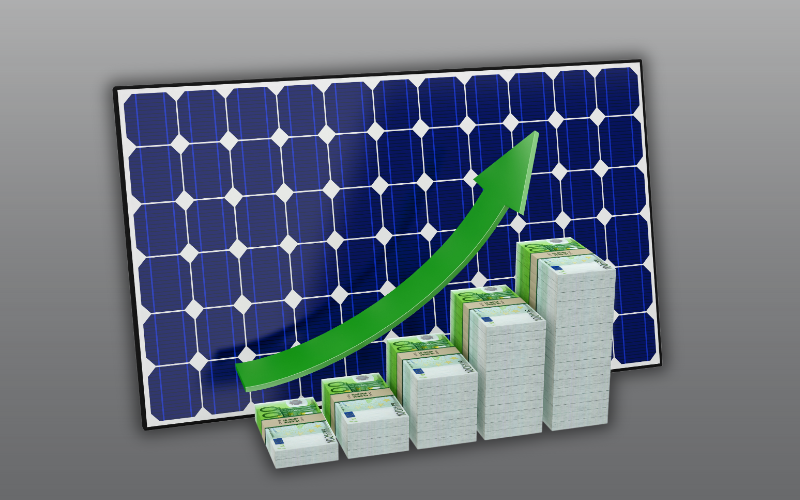
Spending on solar farms has driven global clean energy investments, which are on track to reach $500bn this year. This will overtake investment in all other electricity generation technologies combined.
Investment in low-carbon electricity is anticipated to reach $900bn in 2024 – ten times the investment in gas and coal power generation.
In the West
Europe and the US are predicted to invest $370bn and $315bn respectively. When reviewing these figures, Birol stressed:
“[Clean energy investment needs to reach] the places where it is needed most, in particular the developing economies where access to affordable, sustainable and secure energy is severely lacking today.”
Chinese competition
This surge in clean energy investment is likely due to a 30% fall in solar technology costs over the past two years and rapid expansion of solar farms, particularly in China, which added as much new capacity in 2023 as the entire world did the previous year.
China is expected to lead global clean energy investment this year, with an estimated $675bn directed towards solar, lithium batteries, and electric vehicles.