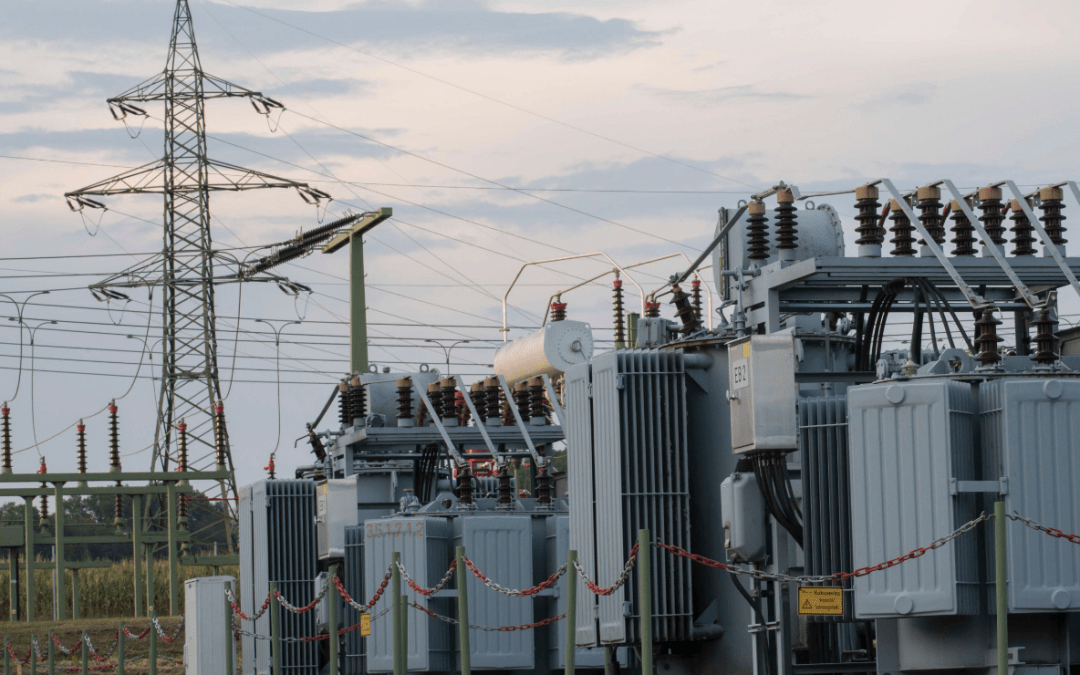
The European Union plans to intensify efforts to develop cross-border energy infrastructure to alleviate costly bottlenecks and speed up the construction of new power grids, according to draft documents seen by Reuters.
EU member states have heavily funded low-cost renewable energy, but grid upgrades and expansion haven’t kept pace. Consequently, wind and solar output is increasingly being curtailed to prevent network overloads, resulting in wasted electricity and increased costs for consumers.
To tackle this disparity, the European Commission is set to develop a centralised EU plan for cross-border electricity infrastructure. The draft proposal, scheduled for publication on Wednesday 10 December, indicates the Commission will collaborate with grid operators and companies to launch projects.
A lack of grid investment has contributed to Europe’s high energy costs, which are reportedly two to three times greater than those in China and the US – a recurring concern for industries citing that steep bills undermine their competitiveness.
The draft document argues that “Grid development can deliver real added value and cost savings for Europeans.” It estimates that investing €5bn in grids would “shave €8bn off the overall cost of the power system.”
Failure to update infrastructure could lead the EU to curtail as much as 310TWh of renewable power generation by 2040 due to grid constraints. For context, EU households consumed 691TWh of electricity in 2023.
A second draft EU legal proposal shows the Commission intends to modify EU law to permit governments to exempt grid projects from requiring environmental impact assessments, citing years-long delays that can stall projects.
Additionally, small-scale renewable and storage projects would no longer require environmental permits.
The proposal also institutes shorter deadlines for authorities to approve grid-related permits, including a six-month limit for new electric vehicle charging stations.
To cut down years-long delays in some EU countries, permits would be automatically granted if authorities fail to respond within the specified timeframe.
A Commission spokesperson declined to comment on the draft plans. Any changes to EU laws would require approval from EU countries and lawmakers.