Electricity consumption in the Middle East and North Africa (MENA) is projected to climb sharply over the next decade, with solar PV emerging as a key source of new supply, according to a report published today by the International Energy Agency (IEA).
The Future of Electricity in the Middle East and North Africa finds that electricity demand in the region has tripled since 2000 and is expected to rise by a further 50% by 2035, adding the equivalent of Germany and Spain’s current consumption.
About 40% of this increase is set to come from cooling and desalination, driven by extreme heat, water scarcity, urbanisation and economic growth.
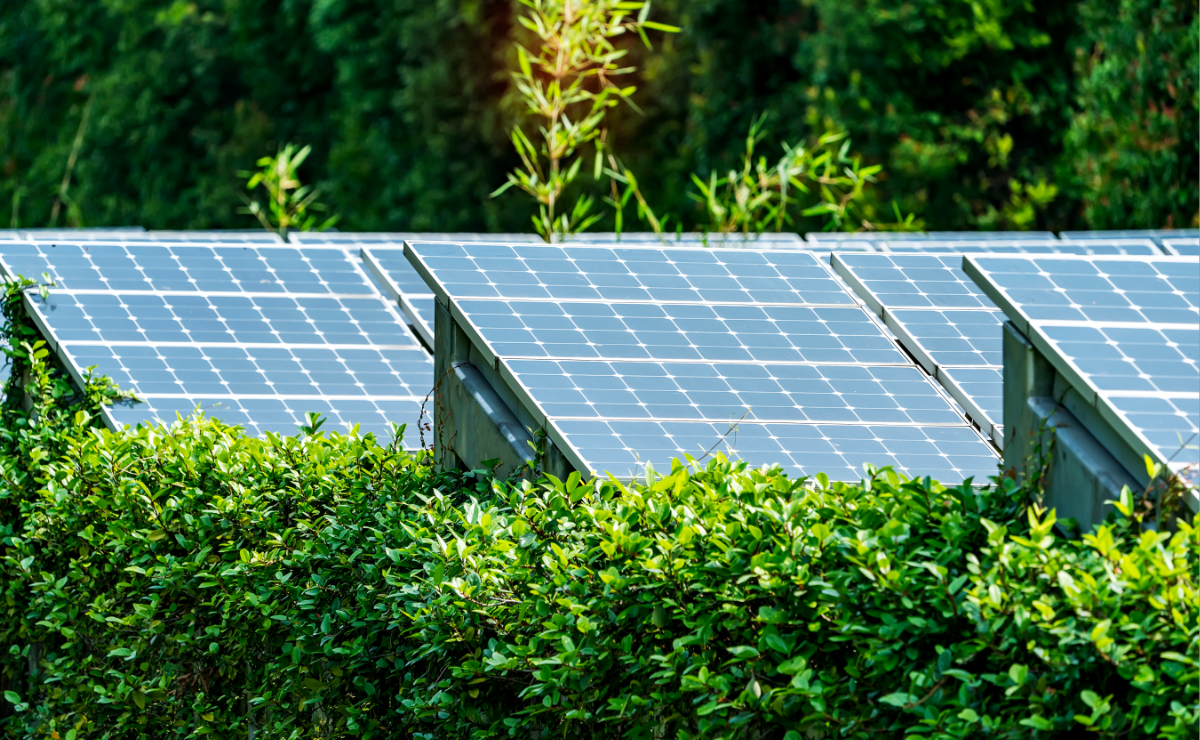
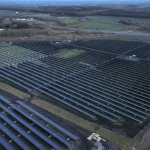
Solar PV capacity is forecast to grow tenfold by 2035, pushing renewables’ share of regional generation to around 25%.
Natural gas is expected to meet about half of the new demand, while oil’s role in power generation could fall from 20% today to 5%. Nuclear capacity is also projected to triple.
“Electricity demand is surging across the Middle East and North Africa, driven by the rapidly rising need for air conditioning and water desalination in a heat- and water-stressed region with growing populations and economies,” said IEA Executive Director Fatih Birol.
“To meet this demand, power capacity over the next 10 years is set to expand by over 300GW, the equivalent of three times Saudi Arabia’s current total generation capacity.”
Birol added: “Based on the policy plans of governments across the Middle East and North Africa, the region is set to steadily shift away from using oil for electricity generation over the next decade, with natural gas, solar and nuclear all expanding.”
The report notes that power sector investment reached $44bn in 2024 and could grow by half by 2035, with nearly 40% directed to grid upgrades.
Modernising networks and strengthening regional interconnections are highlighted as priorities for integrating large-scale solar and other renewables while maintaining electricity security.