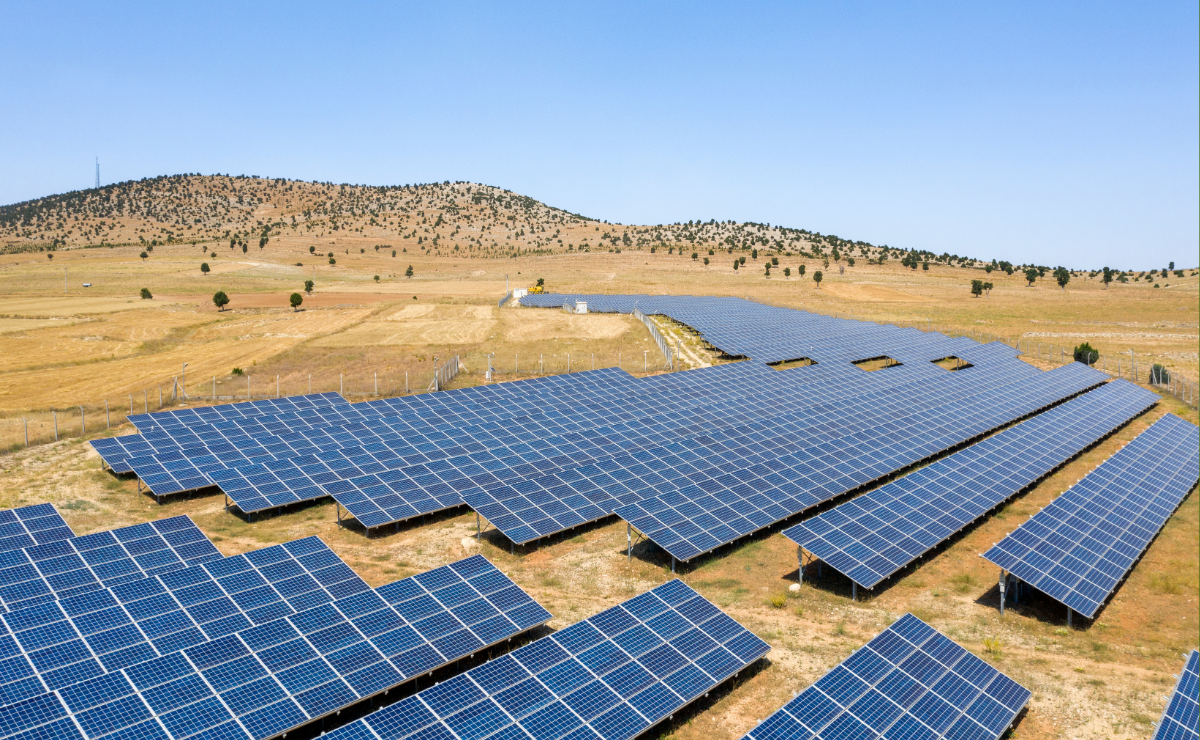
The Middle East and North Africa (MENA) region is on course to triple the countries’ renewable energy capacity by 2030, primarily driven by solar photovoltaic (PV) expansion, according to a report by the International Energy Agency (IEA).
The region’s renewable capacity is projected to grow from 53GW in 2023 to nearly 150GW by the end of the decade, with solar PV expected to account for over 85% of this increase.
Saudi Arabia is poised to lead this growth, contributing over 40% of the region’s renewable expansion by 2030.
Other significant contributors, including the UAE, Oman, Egypt, Iraq, Morocco, and Israel, are expected to make up an additional 44%, according to the IEA’s report released on Wednesday.
IEA Executive Director Fatih Birol highlighted the region’s favourable conditions for solar PV, citing strong solar resources, economies of scale, and competitive land and financing costs.
“Owing to good solar resources, economies of scale, and beneficial land and financing costs, the region continues to produce winning bids at the lower end of the world’s awarded bid range,” the IEA noted.
In 2023, Saudi Arabia’s Repdo auction saw solar project bids ranging between $16.8-$17/MWh for projects between 400MW and 1.1GW.
Saudi Arabia aims to reach 130GW of renewable capacity by 2030, having more than tripled its capacity in 2023.
The UAE, which has invested $45 billion in clean energy, plans to invest an additional $54 billion over the next six years, according to Sharif Al Olama, the UAE’s undersecretary for energy and petroleum affairs.
In addition to solar, wind energy will also see growth in the MENA region, especially in Saudi Arabia, Oman, and Egypt, largely driven by hydrogen projects.
Globally, renewable capacity has grown by 20% in the past year, with renewables expected to meet nearly half of global electricity demand by 2030.