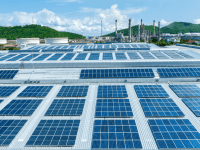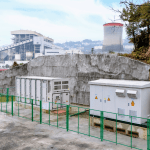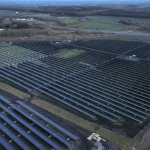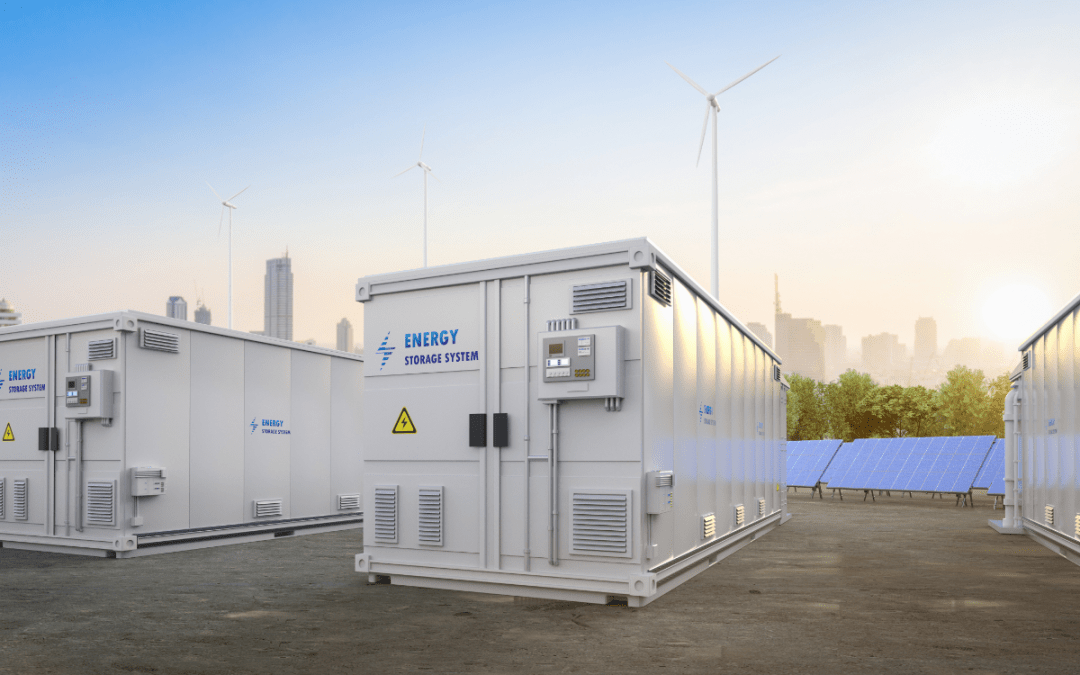
Eneos Renewable Energy is adding energy storage to its solar PV plant in southern Japan, thanks to a subsidy from the Japanese Ministry of Economy, Trade and Industry (METI) Agency for Natural Resources and Energy.
This initiative aims to promote energy storage at solar PV facilities under the company’s “Support Project for the Introduction of Storage Batteries Combined with Renewable Energy Sources” for FY2023.
Eneos will implement a battery energy storage system (BESS) at the 2.3MW JRE Fukuchi 3 Solar Power Plant in Fukuoka Prefecture, Kyushu.
The project should be operational by February 2025 and is expected to cost less than ¥120,000/kWh (USD $746.34/kWh). The expected output and storage capacity were not disclosed, but the subsidy will cover part of the investment.
The BESS will be operated using a planning system developed by Eneos and Mitsubishi Research Institute (MRI), leveraging MRI’s distributed energy resource (DER) control platform, MERSOL.
The system was developed to address the challenge of optimising BESS assets in Japan, where platforms for forecasting renewable energy production and electricity demand have not been effectively integrated with bidding and transaction platforms.
Increasing profits
The Japanese government’s feed-in premium (FiP) scheme supports large-scale PV projects, incentivising the addition of energy storage to improve profitability.
This is important as solar generation in regions like Kyushu often exceeds demand during the day.
Projects previously under the previous scheme (FiT) can convert to FiP, but battery storage is needed for a viable business model under the FiP scheme. The scheme’s FY2022 round saw projects like the Satsuma Green Power 2 solar PV plant in Kyushu, developed with Huawei’s BESS equipment, receive similar subsidies.
These initiatives are part of Japan’s broader strategy to stabilise variable renewable energy supplies and encourage energy storage investments.
The Japanese government plans to introduce programs that promote energy storage, which it sees as crucial to benefiting from the country’s recently liberalised electricity sector.