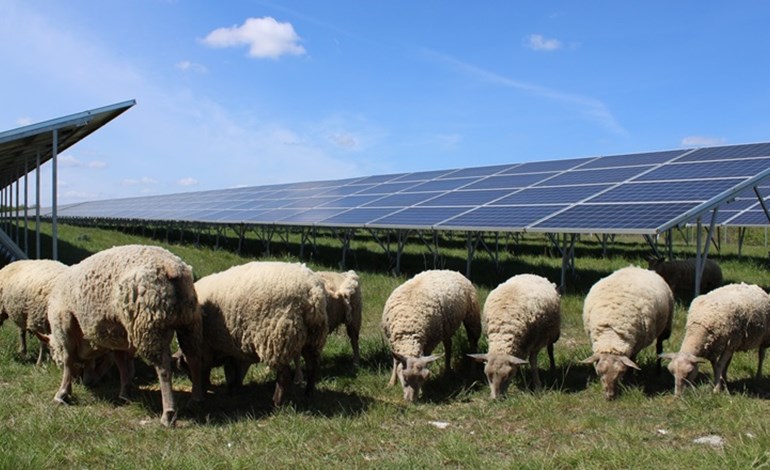
A recent study has shown that agrivoltaic projects, which combine solar panels with agricultural activities, tripled insect populations over five years by creating shaded, pesticide-free areas.
PV technology, widely adopted for its cost-effectiveness, provides benefits beyond electricity generation, such as reducing water evaporation and protecting crops from heat.
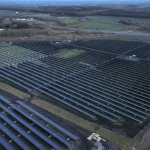
Research from the Argonne National Laboratory, focusing on two large solar installations in southern Minnesota, USA, found that these projects positively impact insect populations, particularly bees.
The decline of pollinators like bees—crucial for 80% of global food production—threatens biodiversity and food security. The study revealed that agrivoltaics systems can help reverse this decline by creating new habitats.
The study highlights that these projects maximise land use by combining energy generation with agriculture and foster healthier insect populations.
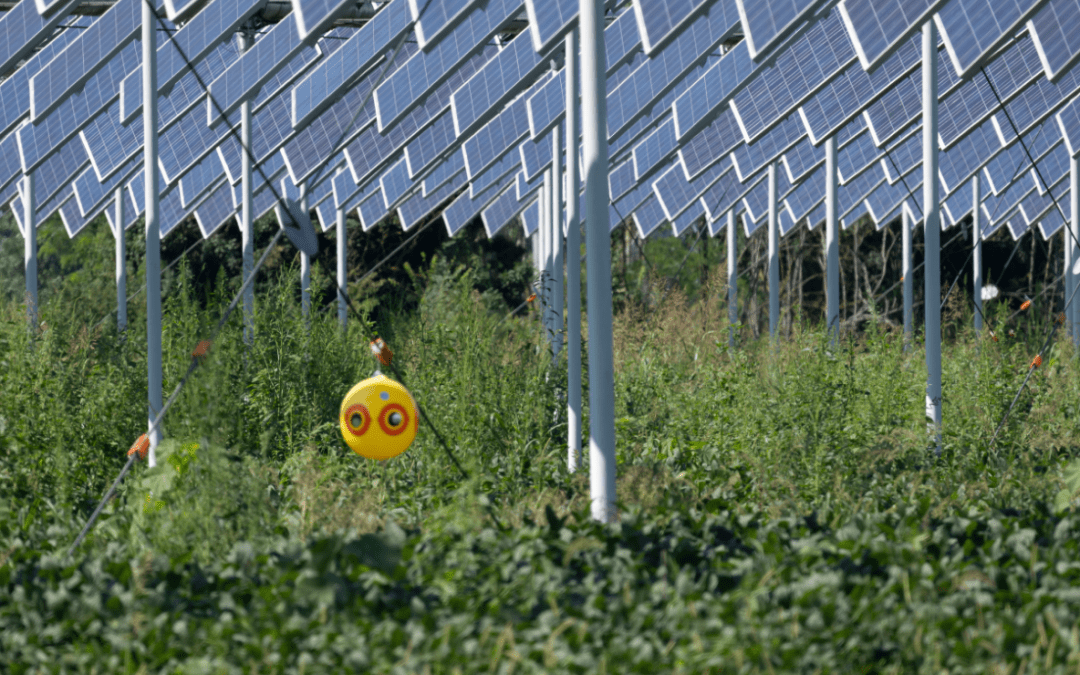
The shaded areas between solar panels serve as pesticide-free habitats, boosting pollination and natural pest control and increasing agricultural productivity.
“The study demonstrates that, if properly sited, habitat-friendly solar can be a viable way to protect insect populations and improve pollination services in adjacent agricultural fields,” said Lee Walston, ecologist and lead author.
Insect abundance in the study area tripled, with greater diversity observed among native pollinators like bees, butterflies, and beetles.
The findings suggest that habitat-friendly solar installations can play a key role in conserving biodiversity while addressing land-use conflicts between agriculture and solar energy production.