New data released by the US Energy Information Administration (EIA) in their Monthly Electric Generator Inventory shows that the USA installed 20.2GW of utility-scale electric capacity from January to June 2024.
Solar and battery storage took the largest share of this new capacity, totalling 12GW (59%). Texas and Florida contributed 37% of utility-scale solar capacity, due to the development of several new solar projects this year.
The Lumina Solar Facility generates enough energy per annum to power 248,000 houses, and Nevada’s large Gemini power plant has 690MWac solar and 380MW of battery storage capacity – enough to meet 10% of Nevada’s peak energy demand.
Storage
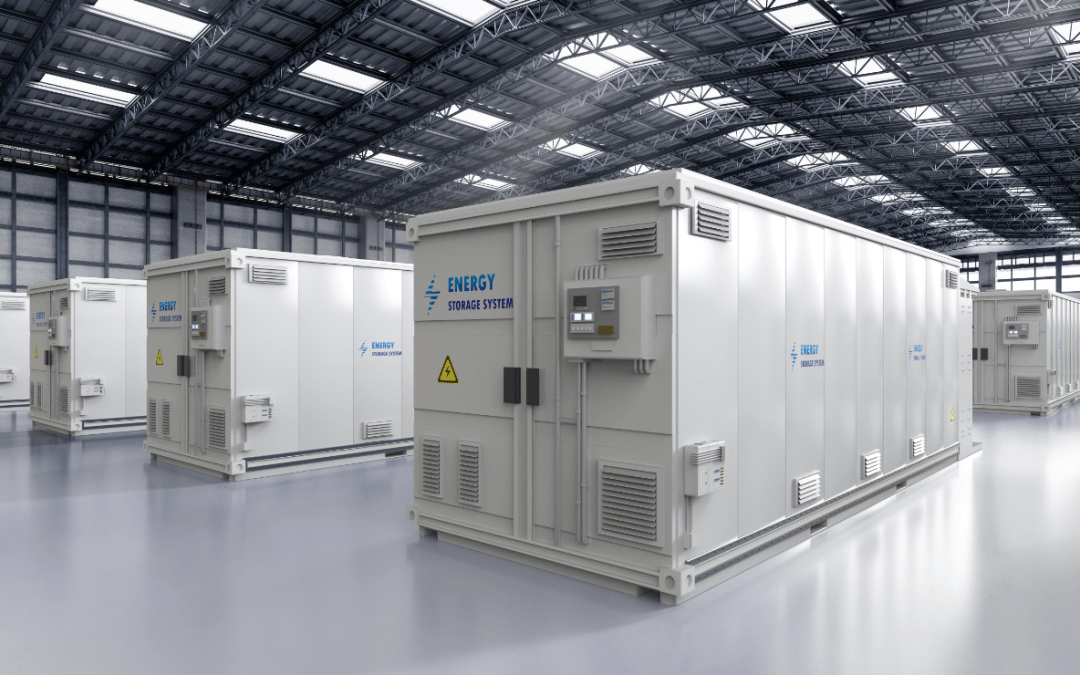
The EIA data heralded good news for the storage industry, reporting that battery storage was the second highest contributor of added energy capacity – coming in at 21% total.
Nevada, Texas, Arizona, and California developed the most capacity-contributing storage projects January-June 2024. Second only to Nevada’s Gemini project, Arizona’s Eleven Mile Solar Centre added 300MW of battery storage and 300MW of solar.
Results
The EIA report anticipates that July – December 2024 will see 42.6GW of utility-scale capacity added, of which 25GW of solar and 10.8GW of battery storage will take a large share.
If these results come to fruition, the EIA theorises that 2024 could reach the highest annual record for new solar capacity. Battery storage could also break a record, reaching heights of 15GW.
The USA joined the Powering Past Coal Alliance in 2023, which holds the country to a promise of phasing out coal. The increase in solar and storage capacity bodes well for meeting the terms of the agreement; generated electricity from solar and wind additionally outpaced coal from January to July 2024.