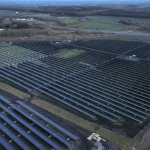
In 2025, renewable energy accounted for 55.9% of Germany’s net public electricity generation, matching the previous year’s share.
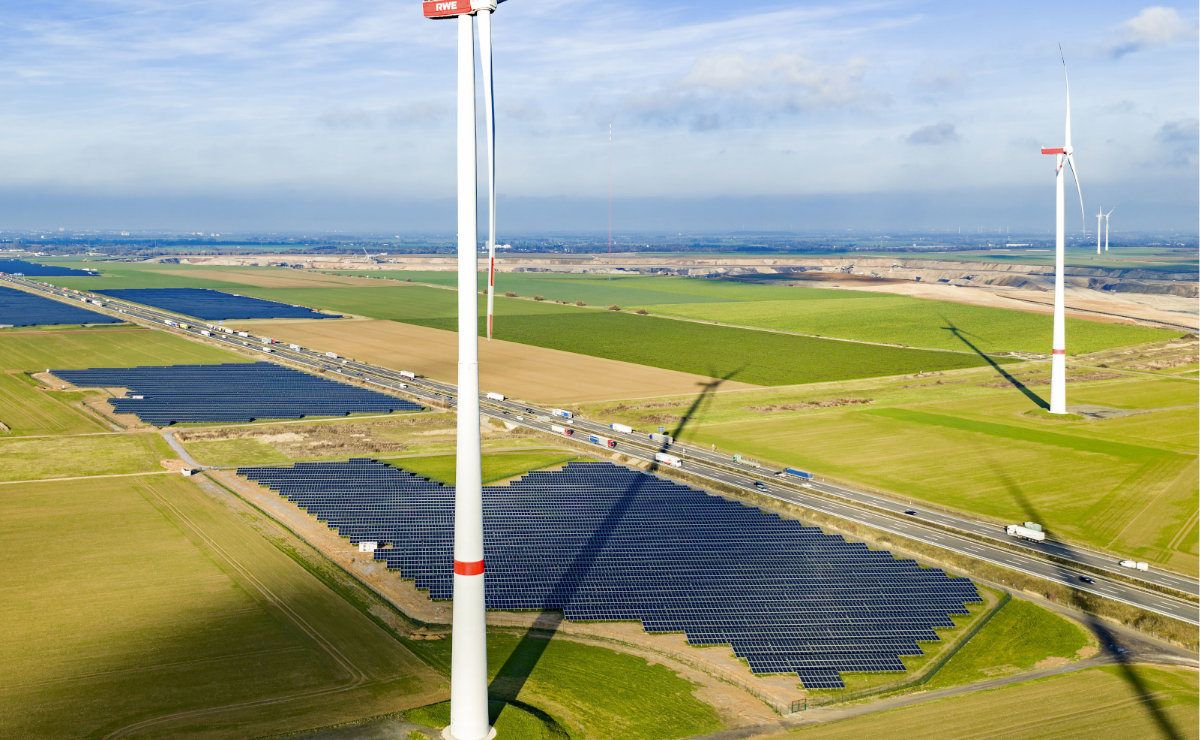
According to data from the Fraunhofer Institute for Solar Energy Systems (ISE), wind remained the primary producer, while photovoltaics (PV) rose to second place, overtaking lignite for the first time.
Renewable performance and targets
Wind power generated 132TWh, a 3.2% decrease from 2024 due to poorer wind conditions. Sector expansion remained below national targets, with only 68.1GW of the planned 76.5 GW installed.
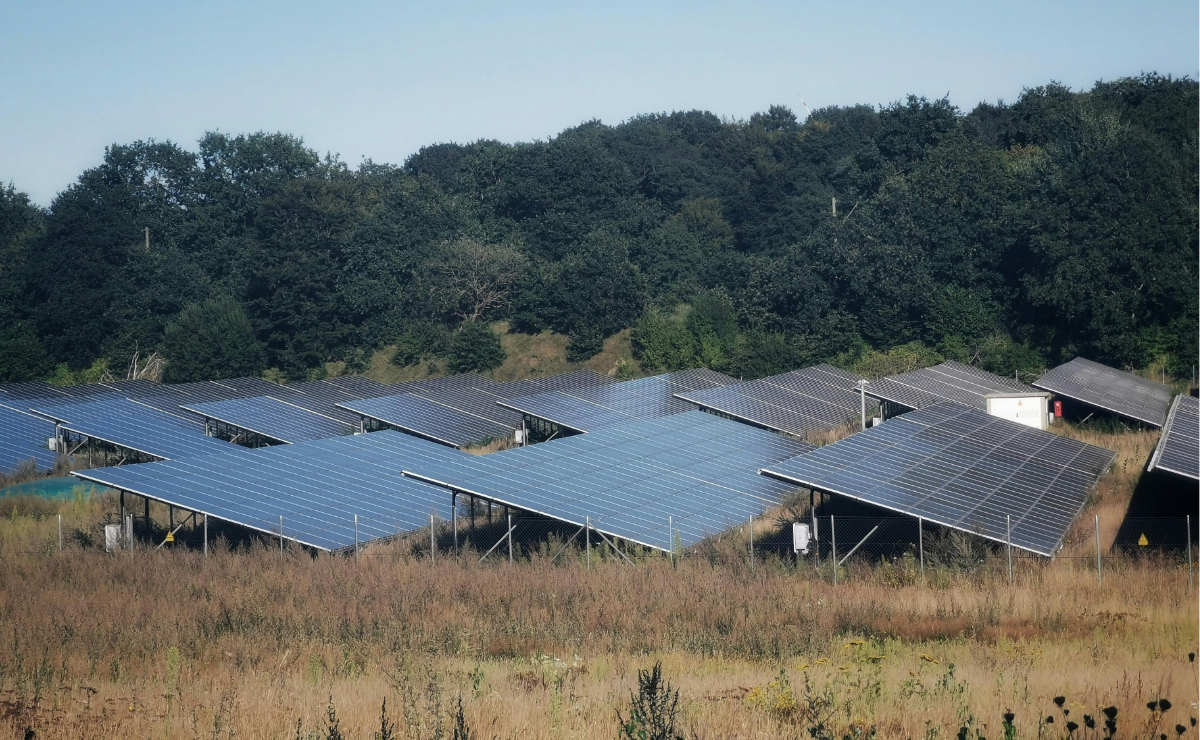
Conversely, PV production grew by 21% to approximately 87TWh. This shift aligns with a broader EU trend where solar generation surpassed the combined total of lignite and hard coal for the first time.
Total renewable generation reached 278TWh, falling short of the 346TWh target set for 2025. This shortfall is largely attributed to the slow expansion of onshore and offshore wind.
Furthermore, while solar capacity reached 116.8GW, the sector requires 22GW of new installations in 2026 to meet upcoming targets.

Storage and system impacts
The battery storage sector saw significant growth, with large-scale capacity increasing by 60% to 3.7GWh. Leonhard Gandhi, project manager at Fraunhofer ISE, noted the significance of this trend:
“The ramp-up of large-scale battery storage is fundamentally changing the way the German electricity system works. While effects on short-term flexibility provision are already visible, systemic impacts, e.g., on reserve power plants, can only be estimated at this stage.
“These developments require battery storage to be explicitly considered for expansion planning, system planning, and electricity market design.”
Generation from fossil fuels stagnated as rising natural gas consumption offset a 3.9TWh decline in lignite production. Consequently, carbon dioxide emissions remained stable at 160m tons.
In the trading sector, Germany’s net import surplus fell to 21.9TWh. This decline was driven by lower gas prices and higher electricity exchange prices, which averaged €86.55/MWh – a 10.9% increase over 2024.
Looking ahead
While the 2025 data showed rising exchange prices, 2026 is expected to see a “subsidised decline” in consumer costs.
In November 2025, Germany confirmed an Industrial Power Price Subsidy, which went into effect on 1 January 2026. This will cap industrial electricity prices at 5 cents per kWh, with an aim of protecting energy-intensive sectors like steel and chemicals.
Furthermore, the German battery industry’s rapid growth underscores the nation’s role as a European storage hub. As Germany’s total renewable energy generation has fallen, we may see a shift towards even greater investment in the country’s storage sector.
[Graph credit: Fraunhofer Institute for Solar Energy Systems (ISE)]