On the eve of the Ukraine Recovery Conference 2025 in Rome, Greenpeace and SolarPower Europe co-hosted a high-level side event to discuss how solar energy could help shape Ukraine’s post-war green recovery.
Bringing together policymakers, investors, and energy experts, the session explored how Ukraine could emerge as a major solar power hub, despite the ongoing conflict.
Key topics included improving conditions for solar PV and storage investment, reducing investor risk, and leveraging financial instruments such as the EU’s Ukraine Facility.
“The transition to solar energy is not just about cleaner power – it’s about building energy independence, resilience, and hope for Ukraine,” Andree Boehling, European Co-Lead of the Green Reconstruction of Ukraine project at Greenpeace, said in the organisation’s official statement.
“Last year in Berlin, we presented the Marshall Plan for Solar – a document with step-by-step actions and calculations on how to increase Ukraine’s solar potential by 5 times. This year in Rome, we’re discussing how to make it real.”
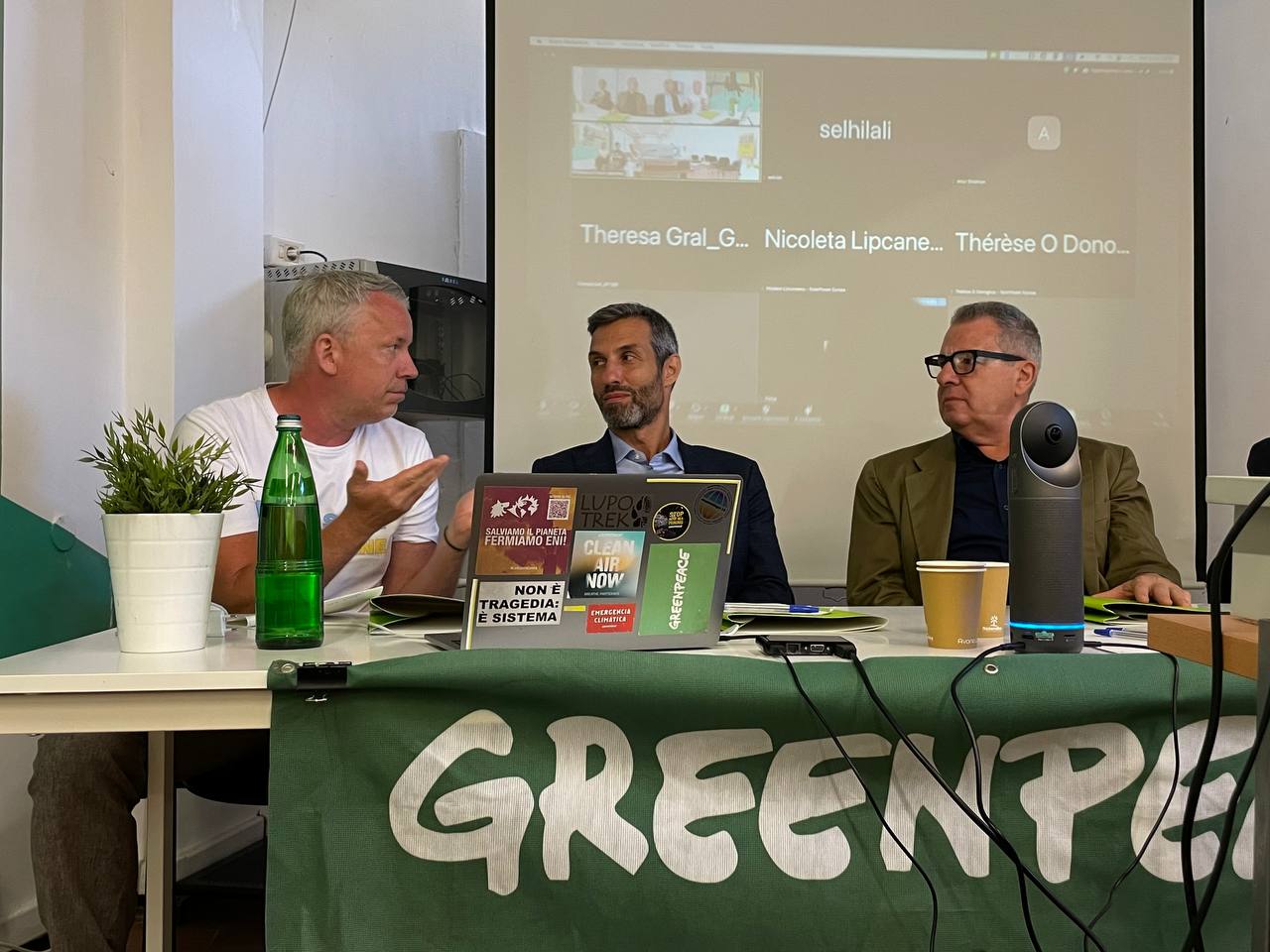
Speakers included Inna Sovsun, Member of the Ukrainian Parliament and Energy Committee; Adil Hanif, Head of Sustainable Markets at the EBRD; and Gianluca Gramegna, Head of ESG at ERG Italy.
They all agreed that solar power, when supported by storage and smart grid solutions, must be central to rebuilding Ukraine’s energy system.
To achieve this, they emphasised the need to mitigate financial risks and strengthen international cooperation.
This side event builds on the partnership between Greenpeace Ukraine and SolarPower Europe, launched in March 2025 to support the widespread rollout of solar systems as part of Ukraine’s sustainable future.
[Image credit: Greenpeace]