by Catie Owen | Dec 11, 2025 | Europe, Large Scale Utility Solar, Press Release
Press Release
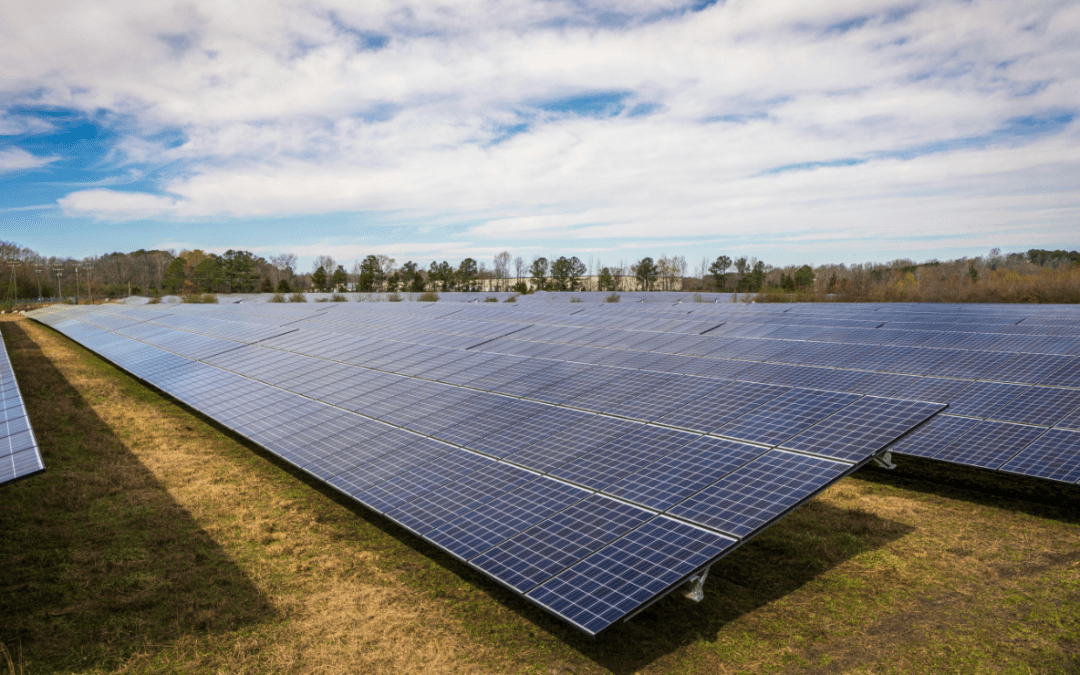
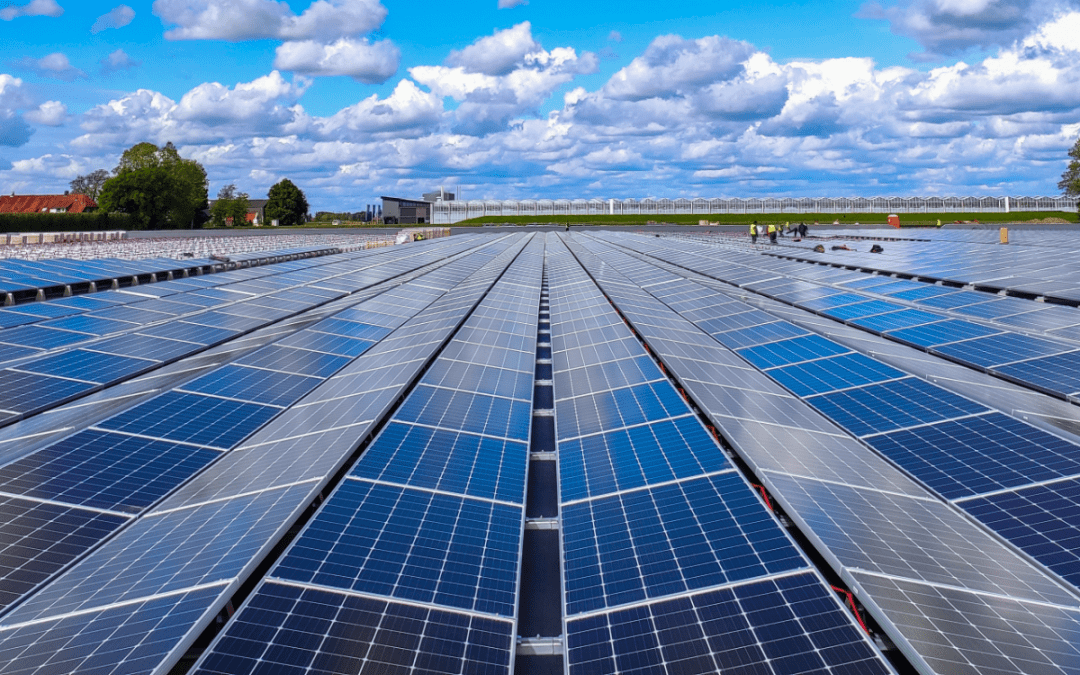
Uniper has taken the decision to start construction of Berryhill Solar Farm just north of Dundee, Scotland. The project has been developed jointly with partner Solar2 and Uniper plans to start the construction process as its sole owner.
The site is supposed to have approximately 152,000 solar panels, with the potential to generate 68.8MWp (45MW) – enough renewable electricity to power the equivalent of over 12,500 UK households each year, one fifth of the population of Angus – contributing to the UK’s net zero targets.
Construction is expected to start in early 2026 with power generation due to start later in the year. The District Network Operator (‘DNO’) for this area – Scottish and Southern Electricity Networks – will be responsible for putting in place the 9km medium voltage (MV) cable to connect the solar farm to the grid point of connection at the Charleston substation on the Kingsway in Dundee.
The solar scheme was first granted planning permission by the planning authority (Angus Council) in 2022, modified in 2024, following the submission of plans by Solar2. Once operational, there will be a community benefit fund associated with the project which will be agreed with the applicable local Community Council – Muirhead, Birkhill and Liff Council.
Want to publish a press release? Submit your content here for review by our editorial team.
by Catie Owen | Nov 17, 2025 | Commercial & Industrial Solar, Europe, Innovation
A £1m solar energy scheme has been completed at the Cowdenbeath liquid waste facility in Fife, Scotland, which is linked to the Levenmouth Waste Water Treatment Works.
The project involved the installation of over 1,700 ground-mounted solar panels at the site, which manages commercial liquid waste before transfer for treatment and disposal.
The new array is projected to generate 0.53 of green electricity annually. Of this, 60% will be used on-site, fulfilling 29% of the facility’s total energy requirements and helping to reduce operating costs.
The remaining 40% will be exported to the national grid. The system is also expected to reduce carbon dioxide equivalent emissions by approximately 109 tonnes per year, contributing to Scottish Water’s goal of achieving net-zero emissions by 2040.
The initiative is directly linked to reducing the carbon footprint associated with handling commercial waste at the site. Murdo MacAulay, project manager at Scottish Water Horizons, explained the dual focus:
“This site handles large volumes of liquid waste which we store and release safely to ensure full environmental compliance. It is great to see this solar scheme in operation at the site now, generating green energy and reducing the carbon associated with managing commercial and run-off waste.
“Another important driver for these projects is reducing Scottish Water’s operating costs.”
The solar system, expected to deliver cost savings for over 30 years, is designed to “provide resilience against the volatility of grid electricity prices,” as noted in the project information.
MacAulay added that the company will “continue to deliver solar schemes at Scottish Water sites across the country as we focus on achieving our net zero target by 2040, which we are currently on track to achieve.”
Enhancing biodiversity on-site
Beyond energy generation, the project incorporates significant environmental measures. Derek Ross, operator at the facility, highlighted the operational and ecological benefits:
“This scheme will allow 60% of the energy generated by the solar scheme to be used on site. In addition to the solar scheme, several biodiversity measures will be implemented on-site, including tree planting, log piles, seeding of wildflower meadows, and new hedging to enhance habitats and support local wildlife.
“Offsetting our carbon footprint is not just about using renewable energy technology but also about giving back to and protecting the natural environment at our sites.”
Renewables specialists Absolute Solar and Wind delivered the project.
[Image caption: Aerial view of new solar array at Cowdenbeath Liquid Waste Reception Facility. Image credit: Scottish Water Horizons]
by Manas Sahu | Mar 19, 2025 | Storage
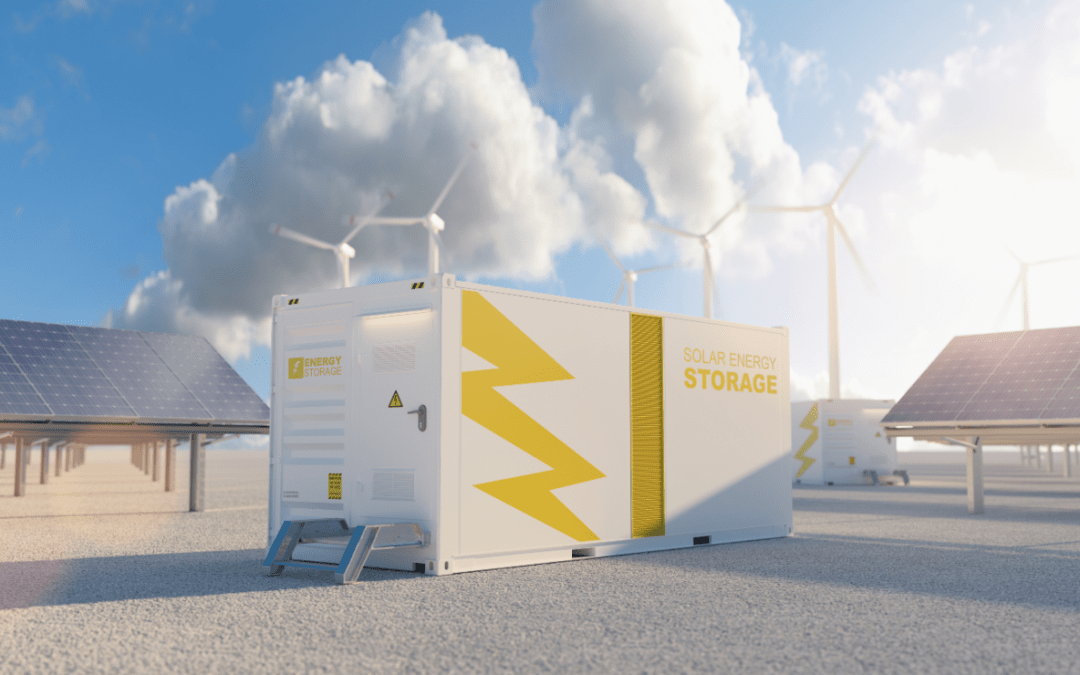
Scottish ministers have approved plans for a 456MW battery energy storage system (BESS) in southern Scotland. The project will be developed by a subsidiary of Gresham House.
The Scottish government’s Energy Consents Unit confirmed the decision on 17 March, following an application submitted by Gresham House Devco Pipeline Ltd in April 2024.
Planning documents indicate that Dumfries and Galloway Council’s Planning Applications Committee did not raise any concerns about the proposal.
Located south of the Gretna 400kV substation, the facility will be developed by Gresham House New Energy, the renewable energy division of Gresham House, the UK’s largest owner of battery storage assets.
The site spans 13 hectares near the England-Scotland border and will be split into two sections: one housing a 56MW battery enclosure and the other a 400MW battery enclosure, each featuring a 132kV substation. This layout accommodates an existing watercourse running through the area.
According to the Energy Consents Unit’s decision letter, there was no opposition from the public. As required by Scotland’s National Planning Framework, the project needed ministerial approval, which was granted unanimously.
The Gretna Green BESS website states that the facility is expected to be operational by late 2025.
by Manas Sahu | Sep 16, 2024 | Innovation
Communities across Scotland, including those in the Hebrides, Shetland, and Arran, are set to benefit from a share of £1.5 million in funding from the Scottish Government, aimed at supporting local renewable energy projects.
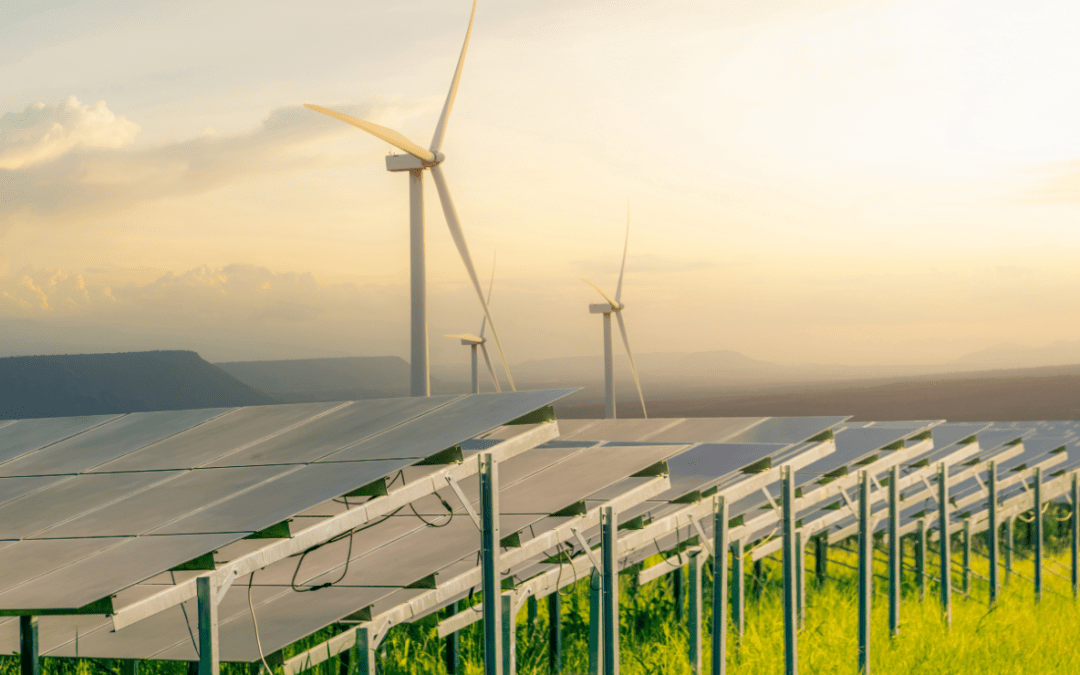
A total of 19 community groups from various locations, such as Eigg, Bressay, Tiree, Fair Isle, Barra, and Arran, will receive funding from the Community Energy Generation Growth Fund. This support will aid them in developing their own renewable energy initiatives, such as installing wind turbines and solar panels to cater to local needs.
The funded organisations will also have the opportunity to earn revenue from their projects by, for instance, selling surplus energy back to the grid.
This fund is part of the Scottish Government’s Community and Renewable Energy Scheme (CARES), which has already awarded over £65 million in funding to more than 900 renewable projects across Scotland.
The pilot scheme will provide valuable insights for future support of community-owned energy generation projects through CARES.
Acting Minister for Climate Action, Alasdair Allan, commented: “I am pleased that the fund has supported so many locally-owned energy generation projects, especially in our island communities.
“We are committed to ensuring that all areas of Scotland can flourish and contribute to a growing sustainable economy. Renewable projects like these will help reduce energy costs, generate revenue, and support Scotland’s transition to net zero.
“It is essential that communities are central to Scotland’s ambition to become a renewable energy powerhouse, and this fund helps to ensure that they can lead and benefit from this significant transition.”
Director of Eigg Electric, Labhaoise McKenna, said: “Eigg Electric is thrilled to be a recipient of the Community Energy Generation fund. As pioneers of community energy generation, we value this support, which will help us plan for and further develop our renewable system.
“This fund will contribute to building a more resilient island community and assist us on our journey to achieving carbon net zero by 2030.
UK Energy Week marks the leadup to Solar & Storage Live, taking place 24-26 September. Haven’t registered yet? Don’t miss out on your free ticket by securing your place here.
by Catie Owen | Sep 5, 2024 | Commercial & Industrial Solar
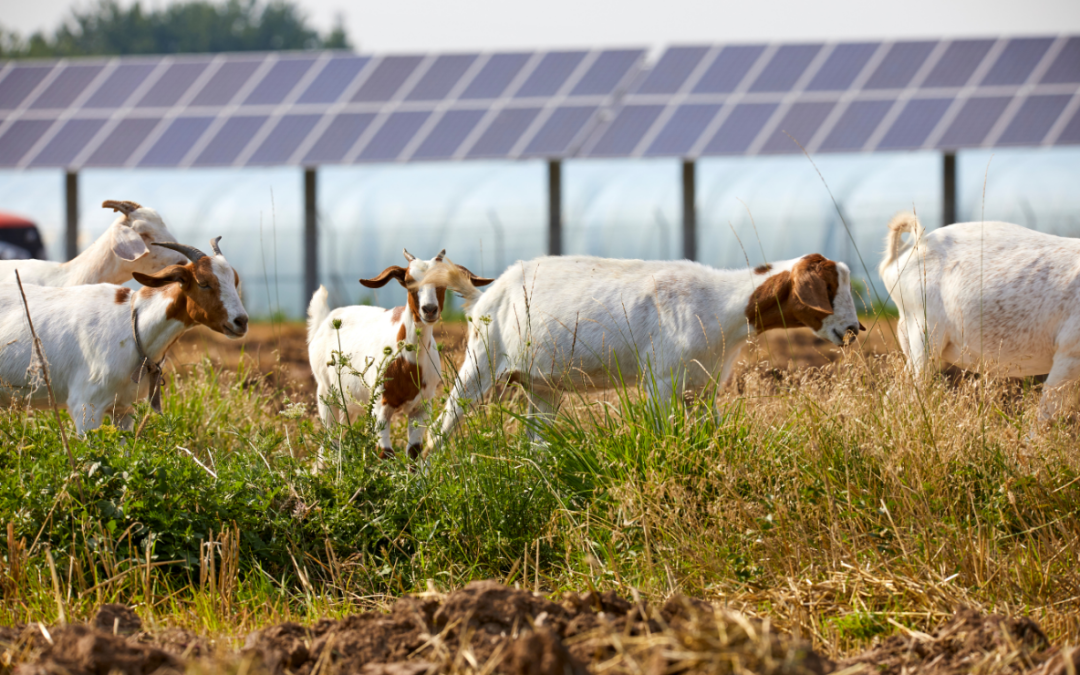
Solar Energy Scotland, a UK-based solar industry body, has issued a statement in favour of agrivoltaic solar farms.
The statement comes as agrivoltaics faces backlash from UK politicians and citizens alike, due to an expectation that agrivoltaics threatens the Kingdom’s food security. Solar Energy Scotland has released its statement ahead of the Scottish Government’s Energy Strategy and Just Transition Plan announcements.
In its statement, the organisation stresses that climate change is a bigger threat to food security than agrivoltaics – an unavoidable consequence if countries don’t adopt renewable energy.
Additionally, only 0.05% of Scottish land is required for the developments. This is less than 1/5 of the Scottish land currently used by golf courses and is also less than land in use by various airports.
A 50GW by 2030 target has been set by the UK government for new solar capacity across the nation, with Scotland taking 4.6GW of the share. Estimates shared by Solar Energy Scotland demonstrate an expectation of 3.5GW coming from ground-mounted solar.
Josh King, Chair of Solar Energy Scotland, adds: “Farming businesses are under intense economic pressure. Solar developments are a key part of the solution, reducing our impact on the climate while providing important diversification opportunities for farmers.
“Farming also has energy needs, like any industry, and we know of many farmers who see the opportunity to cut their costs and their emissions at the same time… Solar is a flexible part of the solution, supporting economic and food security and creating a positive legacy of enhanced soil and biodiversity.”
Encouraging agrivoltaics
Solar Energy UK has also repeatedly come out in favour of agrivoltaics, as has the UK’s new Labour government. Chris Hewett, Chief Executive of Solar Energy UK previously addressed concerns around food security:
“They [solar farms] pose no threat to food security; in fact, they support it. According to Defra, climate change is the main threat to food security, and solar farms help combat this.
“Without solar farms, many traditional farming businesses would struggle to survive, as they rely on the steady income solar farms provide.”
Recently, the National Farmer’s Union of Scotland (NFUS) signed an agreement with Iqony Solar Energy Solutions (SENS) to provide up to 40 years of competitive market rent to landowners who allow solar and storage development.
Tom Bradshaw, NFU President, concludes:
“Solar farms offer an attractive diversification income opportunity for farmers when we strike the right balance between food security and climate ambitions.
“National planning guidance and NFU policy both express a preference for large-scale solar farm development to be located as far as possible on lower quality agricultural land, avoiding the most productive and versatile soils.”
by Catie Owen | Jul 8, 2024 | Commercial & Industrial Solar, Storage
The Scottish Government has withdrawn solar and battery funding from the Home Energy Scotland (HES) Grants and Loan Scheme.
From 6th June, the scheme will not offer funding for PV panels and energy storage systems, even when installed with a heat pump.
HES previously provided up to £11,500 in grants and interest-free loans for air source heat pumps, solar installations, and batteries.
Jamie Di Sotto, commercial director at AES Solar, warned that this move will deter homeowners from adopting greener energy sources, jeopardising the government’s net zero target for 2045.
“We were once so proud that Scotland was leading the way in both residential and business funding for renewable technologies, which not only decarbonises our energy network, but takes the stress off domestic energy bills and makes businesses more competitive.
“If the Scottish Government is serious about net zero they will have to come up with an alternative plan which makes renewable energy systems affordable for all.”
Di Sotto highlighted the high demand for solar PV in Scotland, with 25,875 systems installed in homes and businesses last year, a 56% increase from 2021.
Rising energy bills make solar panels economically sensible, but the funding removal is a setback likely to discourage investment.
The Scottish Government aims to increase solar capacity from 0.5GW to between 4GW and 6GW by 2030. However, Di Sotto noted that withdrawing financial support will likely deter many from investing in clean energy, widening the socioeconomic gap in access to sustainable energy.
Furthermore, Di Sotto called for a cross-party agreement to ensure consistent funding for home energy, regardless of the ruling party.
Josh King, chair of Solar Energy Scotland, also criticised the decision, saying:
“This decision significantly undervalues the role of solar and storage in decarbonising our energy system – and that all of our electric vehicles and heat pumps are only low carbon if they are powered by an increasing amount of clean energy.
“It overlooks the fact that loan budgets are eventually recouped and are distinguishable from the grants available for other technologies.”