According to the International Energy Agency (IEA), Africa holds 60% of the world’s best solar resources yet accounts for only 1% of global solar power generation capacity. This is expected to change soon, signalling a significant energy revolution on the continent.
Many African countries are vulnerable to droughts, floods, and diseases, which threaten rural communities and lead to hunger. Consequently, preserving perishable harvests is critical for survival. However, this task is challenging without full access to electricity.
A promising solution is emerging in the form of simple white shipping containers equipped with solar panels. These solar-powered mobile cold stores are being deployed across Africa, from Kenya to Ghana and Nigeria. They enable farmers to protect their crops from adverse conditions, thereby helping to mitigate hunger.
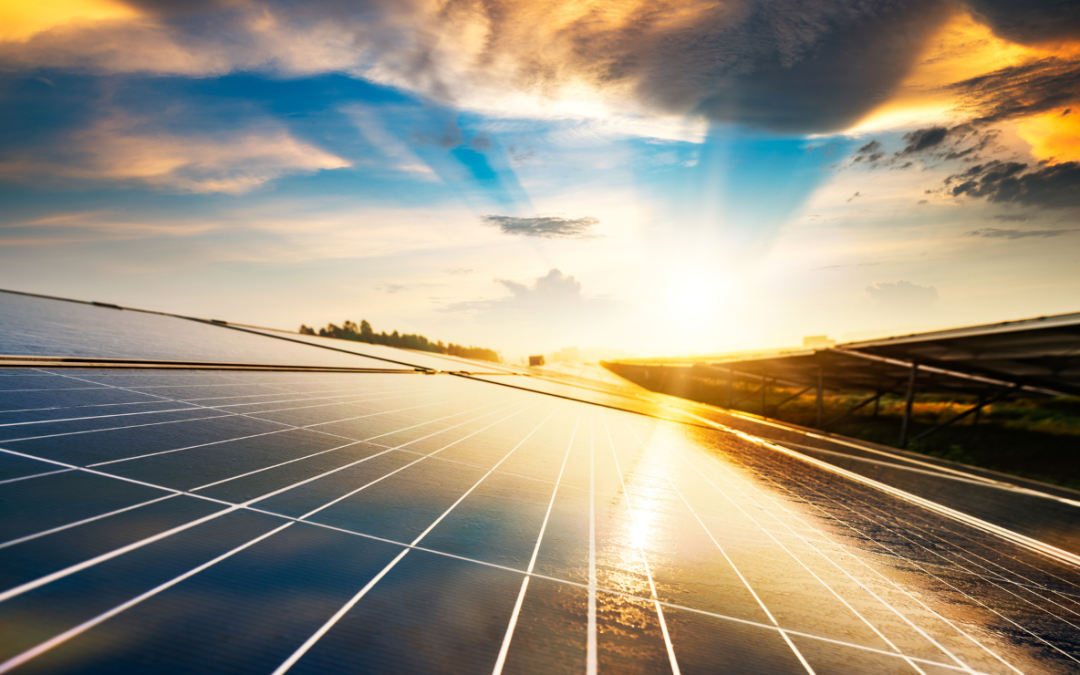
Experts assert that with increasing access to electricity and the rapidly falling costs of solar panels, Africa is on the brink of a major energy revolution. Over the past year, there has been a substantial increase in solar panel installations across the continent. In April 2024, the World Bank and the African Development Bank launched a programme to expand electricity access to 300 million more people by 2030, marking a significant shift towards solar power.
Despite the vast benefits, several barriers remain. According to the World Bank, the most cost-effective approach to supplying electricity to at least half of the 300 million target is to improve and expand the existing grid infrastructure. However, many regions across Africa have unreliable and underdeveloped grids, complicating the integration of solar power into the current system.
Significant technological breakthroughs have made solar power a more viable option for Africa. The declining price of solar panels, coupled with advancements in photovoltaic cells that increase conversion efficiency, indicates that Africa could be on the brink of a renewable energy revolution.