On October 1, the UK’s last coal-fired power plant closed permanently. With the plant’s cease of operations, the UK has ended 142 consecutive years of producing coal-generated electricity.
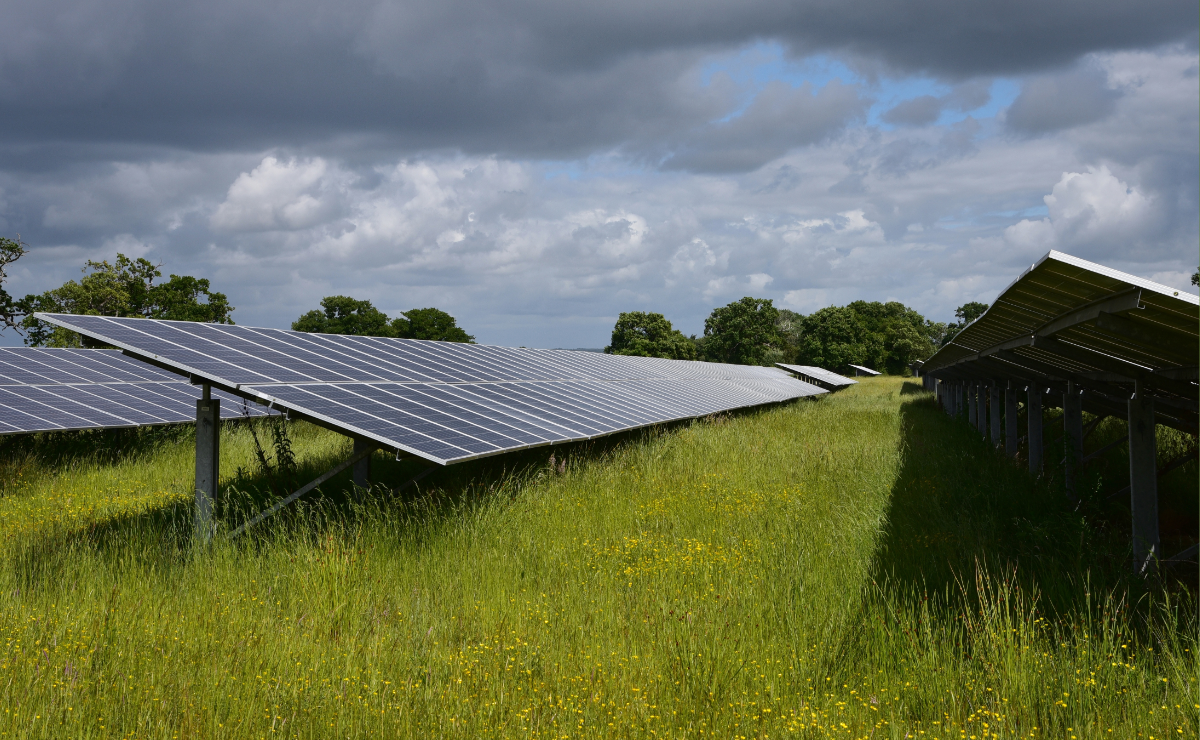
The plant, in Ratcliffe-on-Soar England, will close at midnight however 170 employees will stay on for two years for decommissioning. The power plant’s closure marks a big step for the UK towards achieving its 2030 goal of generating all of its energy via renewable sources – a large focus for the current government is solar.
The UK is the first from the Group of Seven major economies to drastically decrease its reliance on coal, with Energy Minister Michael Shanks saying:
“The era of coal might be ending, but a new age of good energy jobs for our country is just beginning.”
History
The first coal-fired electricity plant worldwide was opened in London in 1882, named Thomas Edison’s Electric Light Station. The Ratcliffe-on-Soar was opened 86 years later in 1968.
In 2012, the UK’s reliance on coal had reduced to 39% – a stark difference from 1990’s figure of 80%.
Dhara Vyas, Deputy Chief Executive of Energy U.K. explains: “Ten years ago, coal was the leading source of this country’s power — generating a third of our electricity.”
By 2023, the reliance on coal dropped to 1% and over half of the UK’s energy comes from renewable sources such as solar and wind.
Vyas adds: “To get to this point just a decade later, with coal’s contribution replaced by clean and low carbon sources, is an incredible achievement.
“As we aim for further ambitious targets in the energy transition, it’s worth remembering that few back then thought such a change at such a pace was possible.”