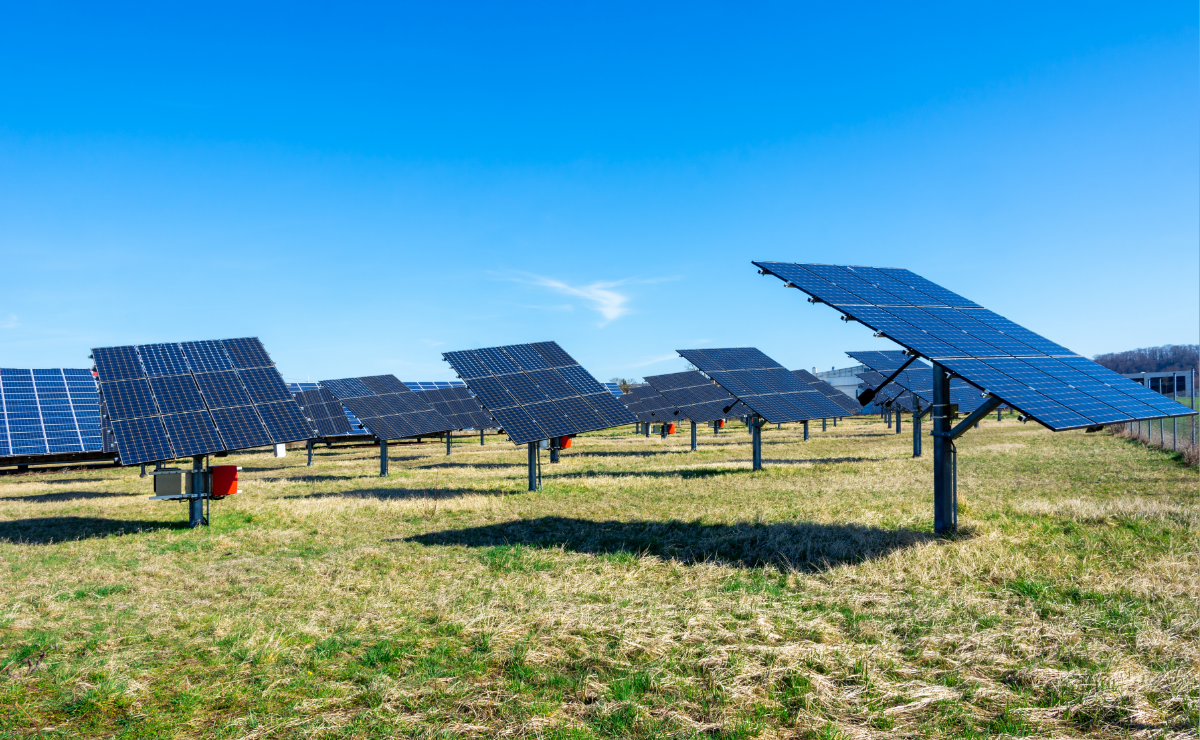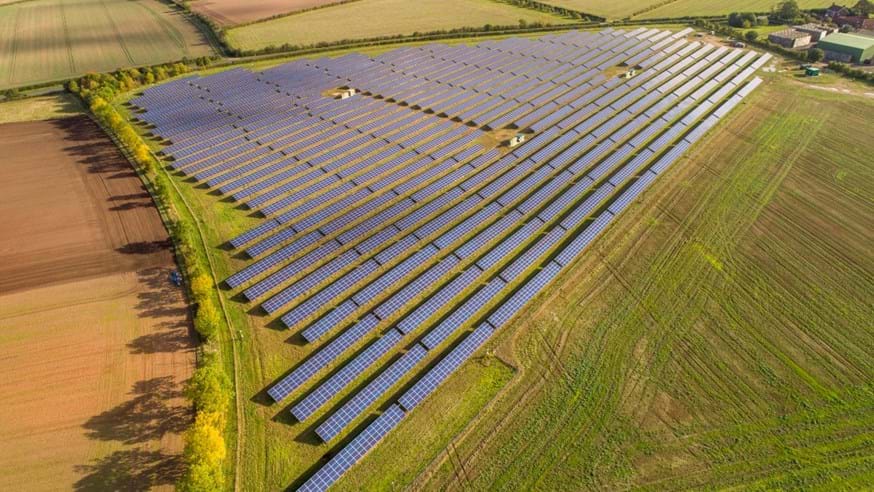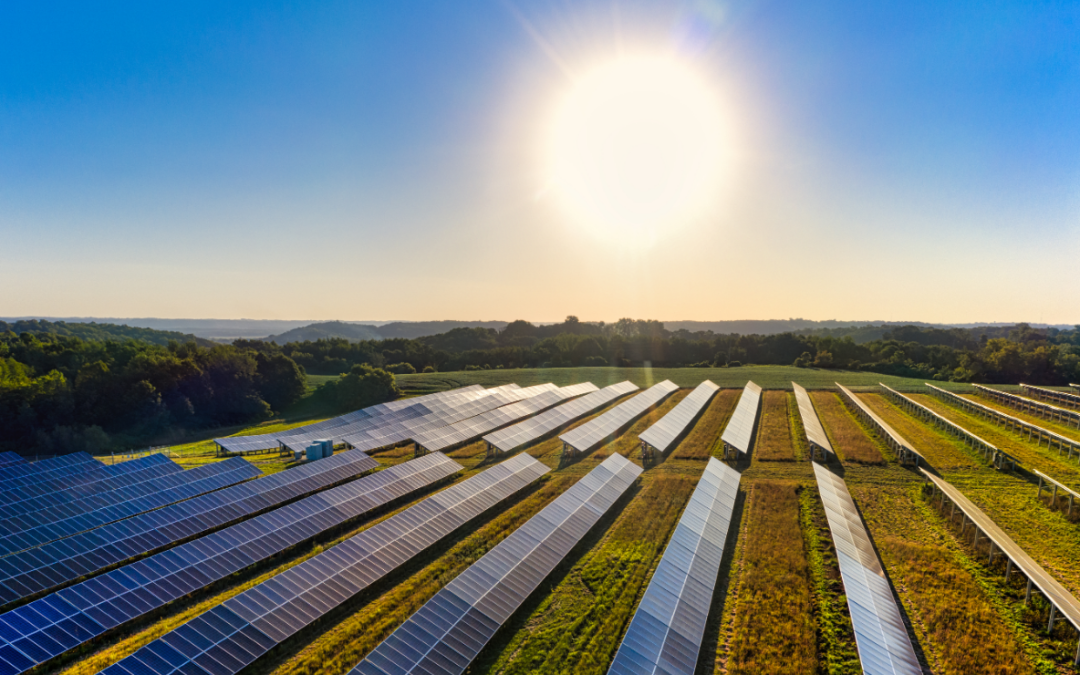
According to the Financial Times’ analysis of University of Sheffield data, solar generation in Britain has already exceeded the total for 2024.
It is noted that this was propelled by increased panel installations and unusually favourable weather, emphasising the growing role of renewables in the grid.
By 16 August, solar production had reached 14.08TWh – around one-third more than at the same time last year – sufficient to power 5.2m homes for a year.
A 20% rise in solar capacity since 2023 helped harness spring and summer sun, with a record 14GW of output at one half-hour on 8 July, meeting nearly 40% of demand.
The government aims to grow capacity to 45-47 GW by 2030, backed by policies such as mandatory rooftop panels on new homes, revised planning laws, and extended subsidies.
Furthermore, UK government data shows that, in Q2 2025, Britain approved a record 16.1GW of new renewable energy across 323 projects.
This is a 195% increase year-on-year – which aligns with the 95% clean power generation target by 2030.
Notably, more than 100 battery energy-storage applications totalling 8.4GW were submitted during the same quarter, doubling that of the previous year. The nation now estimates it will require 23-27GW of storage by 2030 – up from approximately 6GW at present.
Battery projects are increasingly attractive to developers due to their lower visual impact and rising profitability, with average revenues reaching £92,000 per megawatt.
Despite this momentum, challenges persist: grid bottlenecks, planning delays and local resistance remain significant barriers to deploying both generation and storage quickly.
Analysts caution that meeting ambitious targets will demand sustained investment in infrastructure and is contingent on accelerating planning and grid processes.
Solar & Storage Live in Birmingham is on the horizon, so don’t miss out on your free ticket to the UK’s largest solar and storage show. Or, find a Solar & Storage Live event near you.