Grand Cayman’s sole electricity provider, CUC, stands at a crossroads, grappling with a burgeoning demand exceeding its current power generation capacity. In the face of rapid population growth, the reliance on leased generators becomes a stop-gap measure as the company aligns with the national vision toward a greener future.
The Cayman Islands, aiming to achieve 70% reliance on renewables by 2037, currently derive a mere 3% of their power from green sources. The transition away from fossil fuels has become imperative for CUC, halting further investment in traditional diesel generators, and fostering resilience against a potential energy supply crunch.
The pivot from conventional power sources invites scrutiny and challenges. CUC has caught the public eye, battling criticism regarding its alleged obstruction of residential efforts to adopt renewable technologies like solar panels and wind turbines.
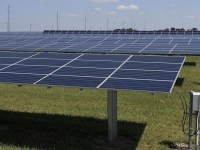
Despite accusations of bottlenecking the Consumer Owned Renewable Energy (CORE) program (a scheme facilitating home-based renewable energy production sans storage solutions), CUC executives articulate a preference for large-scale solutions. Utility-scale solar, coupled with battery storage, is advocated as a more economically feasible pathway to reduce energy costs and ensure reliability in power supply.
Richard Hew, CUC’s president and CEO, calls attention to the sluggish advancement on a utility-scale project bid, expressing frustration with the regulator—Utility Regulation and Competition Office (OfReg). He stresses the imminent need for a substantial solar farm to actualize the objectives inscribed in the National Energy Policy, mitigate electricity bill surges, and secure uninterrupted power service.
In the interim, CUC shifts gears towards adopting LNG as a lesser evil—cleaner than diesel and more cost-effective in the long run. This transitional move embodies a concession to the current limitation in transitioning directly to 100% green energy sources.
Power continuity within Cayman, accentuated by the recent pandemic, remains a delicate scale that CUC balances precariously. The post-COVID population rebound has pushed generators to their maximum, echoing a clarion call for expedited action towards sustainable generation options.
Meeting the peak demand constitutes a paramount concern for Hew and CUC, pivoting towards self-sufficient prospects on owned land in East End or external bids. However, these plans remain in abeyance, awaiting OfReg’s signal to commence the bidding for the vital solar infrastructure.
Projected to offer energy at prices significantly lower than current rates, the envisioned solar farm could potentially halve customers’ expenses while enriching the island’s renewable energy profile.
Amidst claims of monopolistic tendencies, CUC rebukes such notions, demonstrating its purchase liberty through CORE and DER programs. Nonetheless, these contributions account for only a fraction of CUC’s energy mix.
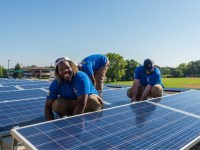
The Cayman Renewable Energy Association (CREA) points fingers at both CUC and the regulator for stalling the wider deployment of solar solutions, suggesting undue influence over energy stakeholders. Despite recognizing that rooftop solar cannot immediately deliver the economies achieved by larger ventures, CREA underscores its financial and environmental benefits, alongside job creation and industry expansion opportunities.
The call for unshackling home-based renewable initiatives emerges as a concurrent strategy to the solar farm pursuit, advocating diversity in the island’s approach to achieving sustainable energy and stronger commercial horizons.
For those in the solar energy profession, the unfolding scenario in the Cayman Islands exemplifies the intricate dance between present capabilities and aspirational renewable targets—a seesaw between immediate fixes and enduring solutions playing out in a region poised for a cleaner, more sustainable power paradigm.
Don’t miss the opportunity to delve deeper into the future of solar and storage solutions at the Solar & Storage Live USA, where the latest innovations and strategies are showcased to shape the renewable energy landscape.