by Catie Owen | Jan 13, 2026 | Africa, Innovation, Press Release
Press Release
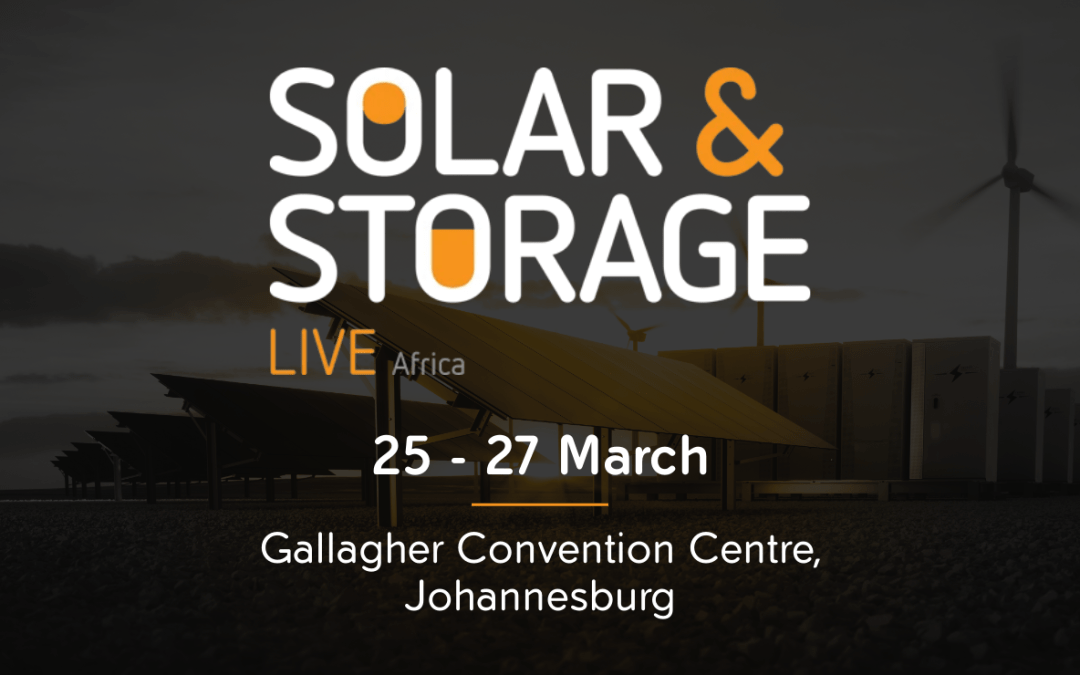
Solar & Storage Live Africa returns to Gallagher Convention Centre this March, uniting Africa’s energy decision-makers.
Set to be the largest edition in its history, Solar & Storage Live Africa returns to the Gallagher Convention Centre from 25 to 27 March, bringing together Africa’s most influential energy decision-makers, technology leaders and policymakers.
With strong demand from exhibitors, partners and visitors alike, Solar & Storage Live Africa 2026 reflects the growing urgency around energy security, grid resilience and decarbonisation across the continent. Thousands of professionals from utilities, government, mining, heavy industry, farming, commercial property, finance and the installer community will gather to explore practical solutions and forge partnerships that move projects forward.
Now in its 29th edition, the event has evolved into the definitive meeting place for Africa’s energy ecosystem. The 2026 event features an expanded exhibition floor, a strengthened conference agenda and a series of interactive features designed to support investment, collaboration and large-scale deployment.
The event is proudly supported by Eskom as Host Utility Partner, highlighting the importance of collaboration between public utilities and the private sector in strengthening South Africa’s energy system. Industry support is further reinforced by key partners including the South African Photovoltaic Industry Association (SAPVIA), the South African Renewable Energy Business Incubator (SAREBI) and the South African Energy Storage Association (SAESA).
The exhibition will feature more than 650 solution providers showcasing technologies across solar generation, energy storage, power electronics and smart energy systems. Confirmed exhibitors include global and regional leaders such as Huawei, Sungrow, Victron, Sigenergy, CATL, Herholdt’s, JA Solar and BYD Energy Storage, among many others actively delivering projects across Africa.
Complementing the exhibition is a comprehensive, content-rich conference programme addressing the most pressing issues facing Africa’s energy transition, from electricity policy and large-scale procurement to corporate decarbonisation and private-sector investment.
The 29th edition speaker line-up includes senior leaders from government, mining, manufacturing, property and renewable energy development, including:
- Mvumikazi Vimbani, Directorate: Electricity Policy, Department of Electricity &
- Energy
- Matthew Whalley, Managing Director, Green Living, Balwin Properties
- Franck Wandji, Group Executive: Commercial, ArcelorMittal South Africa
- Nishi Haripursad, Group Head of Environment, Sustainability Department,
- Harmony Gold
- Avesh Padayachee, Founder and CEO, Fibon Energy
- Gqi Raoleka, Co-founder and CEO, Pele Energy Group
- Thembani Bukula, CEO, PowerX
- Frank Spencer, CEO, SBG.Earth
Key show features for 2026
- Outdoor EV Showcase featuring electric vehicles, EV charging solutions and supporting technologies shaping the future of electric mobility.
- Deal-making on the expo floor, creating opportunities for partnerships, project announcements and commercial collaboration across the energy value chain.
- Startup Zone showcasing early-stage companies introducing innovative technologies, new business models and creative solutions for the energy transition.
- Installers University delivering practical, real-world insights into energy installation projects, from residential systems to large-scale commercial applications.
As part of the global Solar & Storage Live series delivered by Terrapinn, the Africa edition continues to play a critical role in driving investment, skills development and clean energy deployment across emerging markets.
Professionals from across the entire energy ecosystem, including utilities, policymakers, developers, investors, technology providers, installers and large energy users, are invited to attend and be part of the conversations shaping Africa’s energy future.
ENDS
Event details:
Solar & Storage Live Africa 2026
25–27 March 2026
Gallagher Convention Centre, Johannesburg
For further information and to register, please visit:
https://www.terrapinn.com/solarafrica
Media enquiries:
Manas Sahu
Marketing Manager
manas.sahu@terrapinn.com
Want to publish a press release? Submit your content here for review by our editorial team.
by Catie Owen | Dec 11, 2025 | Africa, Large Scale Utility Solar, Storage
EDF power solutions has formally joined the Obelisk hybrid energy project in Egypt, acquiring a 20% stake in the project company.
The project, situated in the city of Nagaa Hammadi, near Luxor, is a large-scale facility combining a 1.1GW solar plant with a 100MW/200MWh battery storage system.
The French firm finalised a shareholder agreement with the existing partners: Scatec, a renewable energy solutions provider that holds 60%, and Norfund, the Norwegian investment fund for developing countries, which owns 20%.
Obelisk is set to supply competitive electricity to the Egyptian grid via a 25-year Power Purchase Agreement (PPA). The project’s commissioning is planned in two phases: phase 1 is scheduled for the first half of 2026, with phase 2 following in the second half of the same year.
This initiative supports Egypt’s national objective to achieve 42GW of renewable energy capacity by 2030.
This transaction represents a further step in EDF power solutions’ development strategy within the country. The company already operates two plots in the Benban solar power plant and is the largest shareholder of KarmSolar, a leading solar utility company.
EDF power solutions is committed to supporting Egypt’s energy transition through renewables, storage, and low-carbon electricity production assets.
Commenting on the development, Bénédicte Regnier, EDF power solutions Executive VP Africa, stated: “EDF power solutions is thrilled to announce this partnership with Scatec and Norfund in Egypt.
After its investment in Benban and in KarmSolar, and alongside with promising development in green hydrogen, EDF power solutions investment into the Obelisk project is another demonstration of its long-standing relationship with Egypt.”
Visit Solar & Storage Live Egypt in New Cairo, 6-7 April 2026. Get your ticket here, or find a Solar & Storage Live event near you.
by Catie Owen | Dec 9, 2025 | Africa, Innovation, Video
Solar & Storage Live UK 2025 in Birmingham was the essential industry hub where innovators and the energy value chain convened to explore solutions driving the UK’s energy transition.
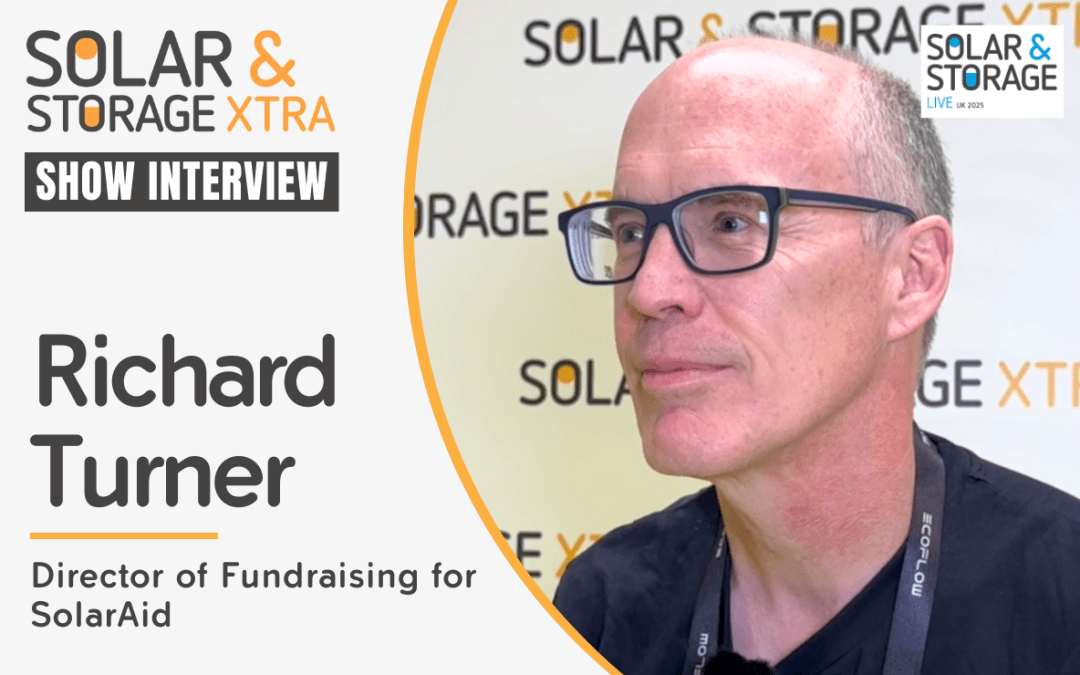
A year after his first interview with Solar&StorageXtra, we caught up with Richard Turner, Director of Fundraising for SolarAid, to hear about the charity’s achievements over the last 12 months.
Richard discussed the success of SolarAid’s ‘Light a Village’ project in Kasakula, Malawi, which has achieved 100% electricity access for one of the poorest communities in the world, and explained its potential for bridging the energy gap for millions across sub-Saharan Africa.
“In contrast to mini-grids, this method of utilising solar home systems allows for rapid deployment and is not significantly constrained by geography.”
Talk to us about the success of your Light a Village project in Malawi.
Kasakula is a community situated in Malawi, and it is recognised as one of the poorest in the country, and Malawi is one of the poorest nations globally.
As such, we deliberately selected this location (in conjunction with the Malawian government) to demonstrate that, if 100% electricity access could be provided to one of the poorest places in Malawi, this achievement could be replicated anywhere.
The Light a Village project has been successfully achieved. The project delivers access to electricity for the first time to many residents; before our intervention, less than 1% of the Kasakula community had access to electricity.
This electricity is financed by the residents through affordable fees, despite 97% of the community living below the poverty line. Therefore, the core challenge was devising a sustainable and workable model for this population.
We devoted significant time to consulting with local leaders, engaging the community, and explaining the concept. The model is fundamentally similar to how most people pay for energy: you don’t pay for the cables or the infrastructure in your home, but you do pay for the energy consumed.
Instead of owning a solar system outright, we install one at no cost to the household, and they subsequently pay a modest daily fee, approximately three pence (GBP), which allows them to activate the unit and have access to lighting. They are also able to charge a mobile phone and potentially a radio.
The initial uptake was significant from the very beginning. We encountered a few unforeseen issues; notably, the rats chewing through the cables, which we had not anticipated.
However, we also gained valuable insights. We discovered that many households would position one of their three provided lights outside their home. When asked about this, they explained that it was a protective measure against the local hyenas!
We proceeded incrementally, starting with 500 homes, then scaling up to 2,500, and this year we successfully reached all 8,813 homes, achieving 100% coverage in Kasakula. We consider this to be a truly significant milestone.
Walk us through the technology and systems SolarAid have brought to Kasakula.
The technology we employ features highly efficient solar home systems. This involves a panel, roughly the size of a laptop, connected to a battery unit, which is mounted on an interior wall of the home.
Once a payment has been made, the unit is activated. The user enters a code to activate it, thereby purchasing seven days’ worth of energy.
The system includes lights which also incorporate wireless switches. Each home receives three of these lights. Furthermore, a battery unit allows for the charging of a radio or a mobile phone, as many residents possess mobile phones.
There are various models available, but we like the one made by Omnivoltaic, manufactured in Hong Kong. We appreciate their willingness to collaborate with us on adaptations. Their model was originally developed for retail, but we require it for a service model, necessitating greater longevity.
Naturally, one component requiring future maintenance, likely after three to five years, is the battery; as such, we are looking to implement enhanced batteries.
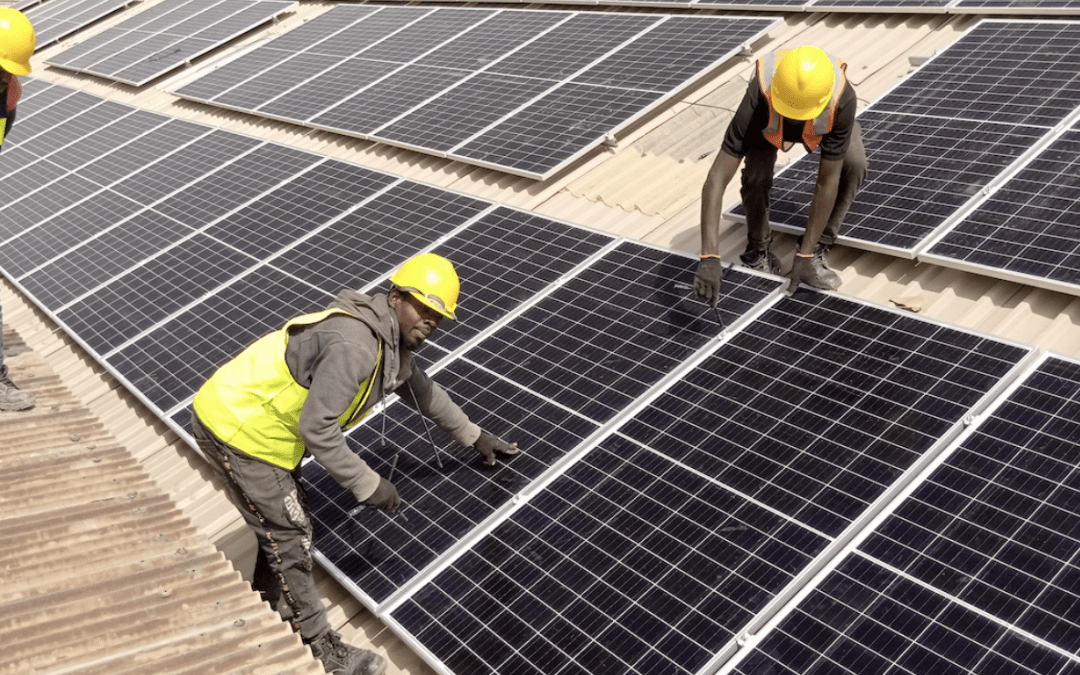
To ensure consistent service delivery, we have employed community agents, essentially creating local jobs. They receive a small commission for every payment made, which incentivises them to provide excellent customer care. Throughout the project, we found that the optimal number of customers or households for each agent to manage is 100.
We have community agents who deliver a service directly to the community, with one agent assigned per 100 households. Each agent is also equipped with a specific kit. This includes a graphic displaying the initiative: ‘Light a Village, Kasakula, T/A’, where T/A signifies Territorial Authority.
In fact, Kasakula is named after the Chief, Chief Kasakula, who personally installed the very last light in the 8,813th home. Remarkably, the name of the woman in that household was Charity, which we found particularly apt.
How does working with community agents benefit Kasakulan households?
The community agents are highly effective and mind their customers’ needs. If a replacement is necessary, they manage it because the household does not own the system and therefore bears no risk.
If a lightbulb stops functioning or a battery is somehow faulty, it is replaced at no cost. This is what makes the model viable in a community grappling with such high poverty levels. Moving forward, if we can continue to refine these systems and extend their lifespan, the business model becomes increasingly viable.
We believe this holds immense potential, not just for other regions of Malawi, but throughout sub-Saharan Africa, where 600 million people currently lack access to electricity.
What do you think off-grid solar solutions – such as this project – represent for rural communities worldwide?
We believe the impact is enormous – a paradigm shift. The International Energy Agency (IEA) currently forecasts that by the end of the decade, half a billion people in sub-Saharan Africa alone will still lack access to electricity. This approach can fundamentally alter that prediction.
In contrast to mini-grids, this method of utilising solar home systems, allows for rapid deployment and is not significantly constrained by geography. Traditional grid infrastructure, and even mini-grids, often face challenges due to geographical limitations.
Additionally, the initial cost of deployment for our system is relatively low. We estimate the infrastructure cost to be approximately £100 per household, and the system becomes self-sustaining once the communities begin making payments.
We have established partnerships with other solar enterprises across Africa. The government of Sierra Leone and one of our partners have announced a commitment to reach 40,000 households in Sierra Leone – and have secured funding.
We view this as merely the beginning. We intend to share this model and invite other organisations to participate in this solution. We have established an initiative called REAL, dedicated to enabling others to learn how to develop and implement this energy-as-a-service model.
Can you tell us more about the meet-up session you hosted at Solar & Storage Live UK 2025?
The primary benefit of a meet-up session is the opportunity to network and reconnect with people. SolarAid itself originated from the solar sector. It was founded by a solar business called Solar Century (now acquired), which historically contributed 5% of its annual profits to SolarAid.
A significant number of attendees remember that relationship, including many former employees of that company who now work elsewhere.
As SolarAid has gradually become more widely known, this event serves as a central hub for people to convene, learn about one another’s current activities, receive updates on our progress, and hopefully be inspired to share our story with their own contacts – perhaps within their own organisations.
This type of internal recommendation can sometimes be the decisive factor for a company considering adopting SolarAid as its charity partner.
SolarAid is combating poverty and the climate crisis by collaborating with remote communities on sustainable programmes: creating a local market for solar lights that both provides business opportunities and changes lives for the better.
Donate to SolarAid’s “Big Christmas Challenge 2025” here.
Missed out on Solar & Storage Live UK? Get your free ticket to Solar & Storage Live London – the capital’s most exciting solar event. Or, find a Solar & Storage Live event near you.
by Catie Owen | Nov 28, 2025 | Africa, Commercial & Industrial Solar
Press Release
ACCIONA Energía has reached an agreement with Cennergi, Exxaro Resources Limited’s wholly owned subsidiary and one of South Africa’s leading renewable energy producers, for the sale of its stake in two renewable energy assets totalling 232MW of capacity, for an enterprise value (EV) of €255m.
The two projects are the Gouda wind farm (138MW) and the Sishen PV plant (94MWp), which have been in operation since 2015 and 2014, respectively.
ACCIONA Energía owns 55% of each project through ACCIONA Energía Internacional – a company in which AXA (20%) and Bestinver Infra FCR (5%) also participate –, while the remaining 45% is held by Royal Bafokeng Holdings (25%), Soul City (10%) and Community Trust (10%).
The transaction also includes ACCIONA Energía’s 80% stake in the company responsible for the operation and maintenance of both projects.
It is expected to close in 2026, subject to customary regulatory approvals, and to generate a capital gain of around €65m. The assets are backed by project financing of €100 million.
This transaction is yet another step forward in the asset rotation strategy announced by ACCIONA Energía in November 2023.
Since then, the company has reached agreements to sell more than 1.4GW of renewable capacity in Costa Rica, Spain, and Peru for more than €2bn, highlighting the attractiveness of its assets in the market and strengthening its financial position through value crystallisation.
Want to publish a press release? Submit your content here for review by our editorial team.
by Catie Owen | Nov 12, 2025 | Africa, Large Scale Utility Solar
The World Bank and the Government of Tunisia have signed a $430m financing agreement to support the country’s efforts to modernise its energy sector through the Tunisia Energy Reliability, Efficiency, and Governance Improvement Program (TEREG).
The five-year initiative includes $30m in concessional financing and aims to ensure a sustainable, reliable, and affordable electricity supply.
The programme will help accelerate renewable energy deployment, improve the performance of Tunisia’s national electricity utility, STEG, and strengthen sector governance.
It aligns with Tunisia’s updated Energy Transition Strategy, which seeks to enhance STEG’s operational and financial performance, attract private investment, and reduce the carbon intensity of power generation.
“By fostering renewable energy development, TEREG will strengthen Tunisia’s position in clean energy, creating economic opportunities and ensuring long-term energy security,” said Alexandre Arrobbio, World Bank Country Manager for Tunisia.
“This project reflects our strong partnership with Tunisia and supports its sustainable development goals. It builds on our long-standing engagement in Tunisia’s energy sector and complements ongoing initiatives.”
The TEREG programme is expected to mobilise $2.8bn in private investment, adding 2.8GW of new solar and wind capacity by 2028 and creating more than 30,000 jobs, mainly during the construction phase.
It also aims to reduce electricity supply costs by 23%, improve STEG’s cost recovery from 60 to 80 percent, and cut state subsidies by TND 2.045 billion.
“This is the first project to benefit from the World Bank’s Framework for Financial Incentives, receiving rewards for its size and long-term benefits in recognition of its impact on reducing greenhouse gas emissions,” said Amira Klibi, Senior Energy Specialist at the World Bank and Task Team Leader for the project.
“The programme’s reforms – such as reducing technical and commercial losses and increasing the share of renewables – are expected to deliver lasting improvements in the operational and financial performance of the sector, making electricity more affordable and reliable for households and businesses across Tunisia.”
by Catie Owen | Oct 10, 2025 | Africa, Commercial & Industrial Solar, Large Scale Utility Solar
Ignite Power has announced plans to acquire 100% of ENGIE Energy Access (EEA), forming Africa’s largest distributed renewable energy (DRE) provider.
The Abu Dhabi-based company will relaunch the combined entity as Ignite Energy Access, expanding operations to 14 countries and providing sustainable energy to more than 15 million people.
The acquisition, subject to regulatory and antitrust approvals, is expected to conclude in the coming months. Once finalised, it will mark Ignite’s fourth transaction in two years and more than double its operational footprint across Africa.
Yariv Cohen, CEO of Ignite Power, described the deal as “a transformative milestone for our company and Africa’s energy sector”.
He added: “ENGIE Energy Access has built an exceptional legacy of innovation, operational excellence, and commitment to sustainable impact. By integrating their strengths with our own proven model, we will be creating a full-spectrum energy access company that can scale to meet the continent’s immense energy needs.”
Cohen said the newly formed company aims to “connect millions of people to clean and reliable energy” while supporting economic growth and job creation. Ignite’s goal is to provide sustainable, affordable energy solutions to 100 million people by 2030.
The deal strengthens Ignite’s market position, increasing its total addressable market to more than 250 million people.
The company plans to leverage economies of scale, digital operations, and proprietary platforms for mobile payments, fleet management, and data analytics to enhance affordability and reliability.
Ignite recently secured $15m in funding from Afrigreen to expand its commercial and industrial solar projects.
With over 50MW of deployed capacity and a growing footprint, the combined company aims to serve both rural and urban communities across Africa, contributing to the continent’s ongoing energy transformation.
[Image credit: Ignite Power]
by Catie Owen | Oct 8, 2025 | Africa, Americas, Commercial & Industrial Solar, Innovation
AAAS Energy BV, a Netherlands-based energy developer, has signed a Memorandum of Understanding (MoU) with ChillMine Corporation, a US data centre operator, to develop a new data centre campus in Botswana jointly.
The collaboration aims to establish a world-class facility designed to support AI computing, global hyperscalers, and other energy-intensive digital operations.
Maarten Mennes, Managing Director of AAAS, said, “This MOU with ChillMine is a significant step in our vision to connect sustainable energy development with the digital economy.
By combining power from the Solar PV + BESS Project with natural gas projects in Botswana, currently being developed by third parties, we are creating a unique value proposition for global technology companies seeking to expand into Africa.”
ChillMine’s Co-Founder and CEO, Brian Neirby, added, “We are thrilled to partner with AAAS to bring our data centre expertise to Botswana.
The combination of the energy infrastructure under development and our operational experience will enable us to deliver a best-in-class, high-performance data centre campus that can meet the rigorous demands of the world’s most sophisticated technology users.”
The proposed campus will respond to growing demand for reliable, scalable, and cost-effective data infrastructure across Southern Africa. It will target large-scale cloud providers and other clients requiring continuous, high-capacity power for operations.
As part of the wider development, AAAS intends to integrate the data centre into an Energy Hub and Industrial Park near Palapye. The hub includes a 250 MW solar PV project and a planned Battery Energy Storage System (BESS) of around 100 MW / 400 MWh, both currently in development.
The integrated energy infrastructure is expected to provide a stable and efficient power supply, supporting reliable performance and sustainability across the new data centre campus.
by Catie Owen | Sep 22, 2025 | Africa, Market Reports
Unlock the full potential of Egypt’s fast-growing solar and storage sector with our comprehensive Egypt Market Report.
Inside, you’ll find in-depth insights on national clean energy targets, major projects like Benban, Kom Ombo, and Scatec, the evolving regulatory and investment landscape, and the rise of storage as a strategic priority.
The report also highlights key market drivers, a robust project pipeline, and a snapshot of opportunities across North Africa.
Download the report and discover what’s powering Egypt’s solar-storage boom.
Download the Report
Visit Solar & Storage Live Egypt in New Cairo, 6-7 April 2026. Get your ticket here, or find a Solar & Storage Live event near you.
by Catie Owen | Sep 22, 2025 | Africa, Market Reports
This exclusive market report explores the solar and battery storage landscape across Cape Town, offering a strategic overview of investment potential, emerging technologies, and evolving policy frameworks.
Discover how local and national initiatives, including supportive tariffs and sustainability targets, are accelerating solar adoption.
With over USD 550 – 760m in projected market value and a surge in commercial, industrial, and residential installations, the opportunity has never been greater.
From rooftop solar to battery backup systems and EV charging infrastructure, this report outlines key trends, sector growth, and where the biggest returns are expected in the years ahead.
Download the full report to stay ahead of one of South Africa’s fastest-growing clean energy markets.
Download the Report
Solar & Storage Live Cape Town 2025 is happening 15-16 October, but it’s not too late to get your ticket. Find out more here, or find a Solar & Storage Live event near you.
by Catie Owen | Sep 19, 2025 | Africa, Large Scale Utility Solar, Middle East
Electricity consumption in the Middle East and North Africa (MENA) is projected to climb sharply over the next decade, with solar PV emerging as a key source of new supply, according to a report published today by the International Energy Agency (IEA).
The Future of Electricity in the Middle East and North Africa finds that electricity demand in the region has tripled since 2000 and is expected to rise by a further 50% by 2035, adding the equivalent of Germany and Spain’s current consumption.
About 40% of this increase is set to come from cooling and desalination, driven by extreme heat, water scarcity, urbanisation and economic growth.
Solar PV capacity is forecast to grow tenfold by 2035, pushing renewables’ share of regional generation to around 25%.
Natural gas is expected to meet about half of the new demand, while oil’s role in power generation could fall from 20% today to 5%. Nuclear capacity is also projected to triple.
“Electricity demand is surging across the Middle East and North Africa, driven by the rapidly rising need for air conditioning and water desalination in a heat- and water-stressed region with growing populations and economies,” said IEA Executive Director Fatih Birol.
“To meet this demand, power capacity over the next 10 years is set to expand by over 300GW, the equivalent of three times Saudi Arabia’s current total generation capacity.”
Birol added: “Based on the policy plans of governments across the Middle East and North Africa, the region is set to steadily shift away from using oil for electricity generation over the next decade, with natural gas, solar and nuclear all expanding.”
The report notes that power sector investment reached $44bn in 2024 and could grow by half by 2035, with nearly 40% directed to grid upgrades.
Modernising networks and strengthening regional interconnections are highlighted as priorities for integrating large-scale solar and other renewables while maintaining electricity security.
by Catie Owen | Sep 5, 2025 | Africa, Large Scale Utility Solar
The European Commission has added five initiatives to its list of cross-border renewable energy (CB RES) projects, bringing the total to 13.
Projects on this list are eligible to apply for financial support through the Connecting Europe Facility (CEF) Energy programme.
A key addition is Medlink Renewable Generation (MedGen), a large-scale solar and wind development in Algeria and Tunisia.
The project will install 10GW of renewable generation alongside battery storage systems. Two 2GW high-voltage direct current (HVDC) interconnectors will be constructed to export up to 22.8 TWh of clean electricity each year to Italy, although this transmission element lies outside the CB RES scope.
MedGen has been highlighted as a flagship initiative due to its role in advancing sustainable development, strengthening regional cooperation, and supporting the EU’s energy diversification strategy.
The other approved projects include Twin Heat, which will decarbonise district heating in the twin cities of Słubice (Poland) and Frankfurt (Germany) by introducing renewable-based infrastructure.
The Comprehensive Offshore Renewable Energy Studies (CORES) project will carry out preparatory work for future floating offshore wind deployment in Portugal.
Two wind projects have also been recognised: the Utilitas Eleja-Jonišķis Wind Park, a 200 MW onshore development straddling the Latvian-Lithuanian border and due to start operation in 2028; and the Liivi Bay Offshore Wind Farm, planned for Estonian waters in the Gulf of Riga, which is expected to deliver 1GW of capacity from 2031.
According to the Commission, these projects aim to reinforce energy security, accelerate renewable energy deployment, and enhance cross-border cooperation in line with the EU’s energy and climate objectives.
The updated CB RES list has now been submitted to the European Parliament and the Council for a two-month scrutiny period, which may be extended by an additional two months. Following this, it will be published in the Official Journal of the European Union and take effect 20 days later.
by Catie Owen | Aug 27, 2025 | Africa, Everything Installer, Large Scale Utility Solar
Africa is showing ‘The first evidence of a take-off in solar in Africa’ according to a new report by energy think tank Ember, which points to a sharp rise in solar panel imports across the continent.
Between July 2024 and June 2025, African nations imported 15,032MW of solar panels from China, representing a 60% increase compared with the 9,379MW imported in the previous 12 months.
While South Africa has traditionally led the way, Ember found that imports outside of South Africa almost tripled over the two years to June 2025, rising from 3,734MW to 11,248MW.
The number of African countries importing at least 100MW also rose significantly, from 15 to 25, with 20 countries setting new records during the same period. Ember said the findings suggest “a substantial shift in the landscape of renewable energy adoption across the continent.”
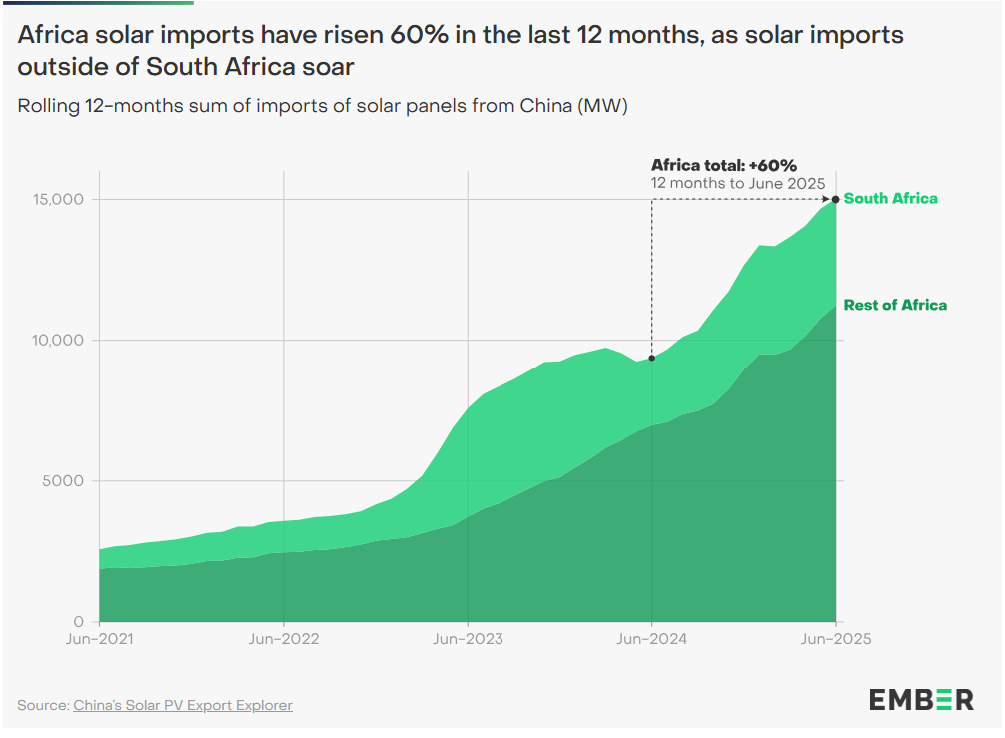
The potential contribution of these imports to electricity generation is striking. In Sierra Leone, for example, if all the panels imported were installed, they could generate electricity equal to 61% of the country’s total output in 2023.
Across 16 African countries, the increase would exceed 5% of 2023 generation levels.
Ember highlighted the economic advantages of the transition away from diesel. “The savings from avoiding diesel can repay the cost of a solar panel within six months in Nigeria, and even less in other countries,” the report stated.
However, the think tank also urged caution. While the data signals strong momentum, it stressed that Africa is “not the next Pakistan – yet,” noting that rapid transformations are possible but require closer monitoring.
[Graph credit: Ember]
by Catie Owen | Aug 26, 2025 | Africa, Innovation
The community of Kasakula in Malawi has become the first in the country to achieve universal access to solar power, marking a milestone for clean energy access in rural areas.
The achievement comes through SolarAid’s Light a Village programme, which provides households with affordable, reliable solar energy using a community-led, Energy-as-a-Service model.
The approach enables families to pay a small daily fee for home solar systems, with maintenance and support included, making electricity access both sustainable and affordable.
Kasakula, home to 8,813 households, previously relied on candles, kerosene lamps, and grass fires for lighting.
With the roll-out complete, every home, 12 schools, and a health clinic now have access to Tier 1 electricity, improving safety, education, and healthcare in the community.
SolarAid’s model emphasises training local agents to install and maintain solar systems.
This ensures skills remain within the community.
The programme aims not only to bring immediate access to light but also to strengthen local capacity and economic resilience.
While Malawi has set a national target of universal electricity access by 2030, more than 80% of the population still lacks power. Kasakula’s success demonstrates that decentralised solar solutions can accelerate progress towards this goal.
John Keane, SolarAid’s CEO, has described Light a Village as proof that energy access can be achieved within a shorter timeframe than anticipated, even in remote regions.
At Solar & Storage Live in London earlier this year, Solar&StorageXtra spoke to John, who said:
“The growth of the solar industry has been a huge benefit to our work in many ways. Technology has improved, and prices have dropped, making solar energy more accessible.
“Even a small solar system can transform a rural household or community overnight, and that’s something that still excites me after 25 years in this field.”
Kasakula’s transition highlights the potential of solar power to deliver immediate, tangible improvements to rural communities while contributing to Malawi’s broader electrification goals.
[Images credit: SolarAid]
Solar & Storage Live in Birmingham is on the horizon, so don’t miss out on your free ticket to the UK’s largest solar and storage show. Or, find a Solar & Storage Live event near you.
by Catie Owen | Aug 18, 2025 | Africa, Large Scale Utility Solar, Middle East
UAE-based Global South Utilities (GSU), part of Resources Investment Company, has begun construction on a 50MW solar PV power plant in Sakaï, Central African Republic (CAR).
The project is seen as a significant step in expanding energy access and advancing the country’s clean energy transition.
The plant is expected to provide electricity for more than 300,000 households and reduce annual carbon emissions by over 50,000 tons. It will also feature a 10MWh BESS to improve grid reliability and ensure a steady supply of power.
Beyond energy delivery, the initiative aims to generate jobs in the renewable energy sector and support skills development within the local workforce.
A groundbreaking ceremony was attended by Faustin-Archange Touadéra, President of CAR, Pascal Bida Koyagbele, Minister of State for Strategic Investments and Major Work, senior government representatives, and GSU executives.
“For the Central African Republic, this project will play a key role in expanding energy access to communities across the country,” said Ali Alshimmari, Managing Director and CEO of GSU.
“It represents another milestone in our commitment to delivering clean, scalable energy solutions in places that others may see as difficult – but which we view as gateways to opportunity and sustainable growth.”
The Sakaï solar development follows the Comprehensive Economic Partnership Agreement (CEPA) signed in March 2025 between the UAE and CAR, designed to strengthen bilateral trade and investment.
This project adds to GSU’s growing portfolio of renewable energy investments in Africa, aligning with the UAE’s broader strategy of supporting climate-focused infrastructure and long-term economic cooperation with Global South nations.
by Catie Owen | Aug 11, 2025 | Africa, Large Scale Utility Solar
More than 20GW of solar capacity is now operational across Africa, according to the Africa Solar Industry Association (AFSIA).
The figure includes utility-scale, commercial and industrial (C&I), minigrid, and solar home systems (SHS) projects recorded in AFSIA’s database up to the end of the first half of 2025. The database now also contains residential projects in a limited number of countries.
AFSIA previously recorded a cumulative solar capacity of 19.2GW at the end of 2024, indicating that around 0.8GW was added between January and June 2025.
South Africa remains the continent’s leading solar market, accounting for around half of all installed capacity. Egypt, Morocco, and Tunisia complete the top four.
Most capacity added so far in 2025 has come from Southern Africa. While South Africa continues to develop large-scale projects, AFSIA noted that Zambia, Botswana, Zimbabwe, and Namibia “announced and completed notable projects” in the first half of the year.
Outside the region, Senegal is “emerging as a leader in solar deployment,” with 54 MW added year to date.
Nearly 40,000 solar projects are at varying stages of development across the continent, including 10GW under construction.
AFSIA said capacity under construction “is more spread across the continent,” with Algeria, Egypt, Angola, South Africa, Tunisia, and Zambia together accounting for three-quarters of the total. South Africa holds the largest share, at 28%.
Utility-scale projects make up 70% of capacity currently under construction. AFSIA described this as a “solid rebound” for the segment, which was overtaken by C&I projects in the early post-pandemic years.
by Catie Owen | Aug 7, 2025 | Africa, Commercial & Industrial Solar
Infinity Power has signed two concession agreements with the Government of Côte d’Ivoire for solar PV projects totalling 80MWac.
The plants will be located in Touba and Laboa and will involve the construction of 17km of transmission lines.
Part of the World Bank’s Scaling Solar Programme, the projects aim to support Côte d’Ivoire’s transition to a cleaner energy mix. The International Finance Corporation (IFC) acted as strategic advisor to the government throughout the process.
The agreements were signed by Mamadou Sangafowa-Coulibaly, Côte d’Ivoire’s minister of mines, petroleum and energy, and Ahmed Mulla, deputy CEO of Infinity Power.
The Ministry of Mines, Petroleum and Energy and the Ministry of Finance and Budget served as the granting authorities, while the tender process was overseen by the Directorate General for Energy and CI Energies.
Marie Chantal Uwanyiligira, World Bank division director for Benin, Côte d’Ivoire, Guinea and Togo, praised the country’s progress in electrification: “Increasing the share of solar energy in its mix, as demonstrated in this operation, will not only lower generation costs but also set the country on the path to universal access.”
Infinity Power is based in Cairo and is a joint venture between Egypt’s Infinity and Masdar, the UAE’s renewable energy company.
It has 1.3GW of operational capacity across Egypt, South Africa, and Senegal, and aims to reach 10GW by 2030. Its pipeline currently stands at 16GW.
In July 2024, the company signed an MoU with Sierra Leone’s government to develop 1GW of renewables by 2033, in collaboration with the Electricity Distribution and Supply Authority (EDSA).
by Catie Owen | Jul 30, 2025 | Africa, Large Scale Utility Solar
Sun King, the world’s largest off-grid solar company, has secured US$156m in financing to expand affordable solar access across Kenya.
The deal, backed by Citigroup Inc. and British International Investment, marks the largest securitisation of its kind in sub-Saharan Africa outside South Africa and the first primarily backed by commercial banks in the region.
Other participants include Stanbic Bank Kenya, Absa Group, Co-operative Bank of Kenya, KCB Bank Kenya, Dutch development bank FMO, and Norfund.
The financing will support Sun King’s pay-as-you-go solar model, enabling approximately 1.4m low-income households and businesses to transition from expensive, polluting fuels like kerosene and diesel to solar power.
“This deal signals a major turning point for green energy finance in Africa,” said Anish Thakkar, co-founder of Sun King. “It shows that African commercial banks believe in the power of pay-as-you-go solar and are ready to back it with serious capital.”
Sun King sells solar kits with batteries and collects payments over about a year, typically costing users around $0.19 a day. The equipment lasts up to a decade. The company has also secured funding for projects in Nigeria and Tanzania.
“This securitisation demonstrates the effectiveness of pay-as-you-go business models to reach underserved communities at scale,” said Jorge Rubio Nava, Citi’s global head of social finance.
Kenya is one of the few sub-Saharan African countries on track for universal electricity access by 2030, with rooftop solar playing a growing role, according to the International Energy Agency.
by Catie Owen | Jul 23, 2025 | Africa, Large Scale Utility Solar
Scatec ASA has been chosen as the preferred bidder for an 846 MW solar project in South Africa, as part of the Department of Electricity and Energy’s (DEE) latest renewable energy tender, known as Bid Window 7 of the REIPPPP.
The award follows a reallocation of capacity from onshore wind to solar PV.
The Kroonstad PV cluster, located in the Free State province, will consist of three solar power plants: Oslaagte Solar 2 and Oslaagte Solar 3 (each 293 MW), and Leeuwspruit Solar (260 MW).
The project is valued at approximately ZAR 13bn, with up to 90% financed through non-recourse project debt and the remainder through equity from project owners.
“It excites me to announce another important milestone for Scatec in South Africa and for the country’s renewable energy transition,” said Scatec CEO Terje Pilskog.
“Being selected once again under the REIPPPP reaffirms our role as a trusted partner and a leading developer in the region.”
Scatec will own 50.9% of the project, with Stanlib’s Greenstreet platform and Redstreet holding 46.5%, and a Community Trust owning 2.6%. The company will also deliver EPC, O&M, and asset management services.
“I am proud to announce Scatec’s largest megawatt award to date in South Africa, which is a testament of our organisation’s strong track record, capabilities and competitive edge,” said Alberto Gambacorta, EVP and GM for Sub-Saharan Africa.
“We are now looking forward to reaching financial close and start construction of the PV cluster during 2026.”
Once operational, the cluster will supply clean, reliable power under 20-year power purchase agreements.
[Image credit: Scatec]
by Catie Owen | Jul 18, 2025 | Africa, Americas, Asia, Europe, Large Scale Utility Solar, Middle East, Oceania
Global renewable energy capacity grew by more than 15% in 2024, according to the Renewable Energy Statistics 2025 report released by the International Renewable Energy Agency (IRENA) this week.
However, the agency warns that regional disparities in growth are widening.
Asia accounted for 71% of new capacity additions, maintaining its lead for a second consecutive year. Europe and North America followed, contributing 12.3% and 7.8% respectively.
In contrast, Africa, Eurasia, Central America, and the Caribbean together made up just 2.8% of global additions. Despite its potential, Africa’s renewable capacity increased by only 7.2%.
IRENA Director-General Francesco La Camera said: “The renewable energy boom is transforming global energy markets, driving economies and creating vast investment opportunities.
“However, the growing regional divide highlights that not everyone is benefiting equally from this transition.”
He added: “Bridging the divide and closing the investment gap between countries and regions is critical. It requires targeted policies, international financing, and partnerships that unlock capital and technology where they are needed most.”
UN Climate Change Executive Secretary Simon Stiell echoed these concerns, saying: “The global shift to renewables is increasingly inevitable, but its massive human and economic benefits are not yet being shared across all countries and regions.”
“To deliver on the global agreement at COP28 to triple renewables by 2030, we need to move much further and faster… The investments required will pay huge dividends – cutting emissions, driving economic growth, creating jobs, and supporting affordable, secure energy for all.”
Despite a record-breaking 582 GW being added last year, IRENA notes that the world remains off track to meet the 11.2 TW target needed by 2030.
by Catie Owen | Jun 13, 2025 | Africa, Large Scale Utility Solar, Storage
The African Development Bank Group has approved up to $184.1m in financing for the Obelisk solar project in Egypt, set to become the largest solar power plant in Africa.
Located in the Qena Governorate, the 1GW photovoltaic plant will include a 200MWh BESS. The Egyptian Electricity Transmission Company will be the sole off-taker under a 25-year Power Purchase Agreement. Total project costs are estimated at over $590m.
Funding includes $125.5m from the Bank’s ordinary resources, $20m from the Sustainable Energy Fund for Africa, $18.6m from the Canada-African Development Bank Climate Fund, and $20m from the Clean Technology Fund.
Additional support will be provided by other development finance institutions.
Granted a Golden License under Egypt’s Nexus of Water, Food, and Energy (NWFE) platform, the project is considered a strategic initiative for national energy transition.
Dr. Rania Al-Mashat, Egypt’s Minister of Planning, Economic Development and International Cooperation, said: “The Obelisk solar project is another important milestone for Egypt under the energy pillar of the NWFE program…with the support of partners such as the Africa Development Bank.”
The plant is expected to begin operation by Q3 2026, generating 2,772GWh of clean energy annually, reducing CO₂ emissions by around one million tons, and creating approximately 4,000 construction jobs and 50 permanent roles.
“Obelisk is another landmark development under NWFE,” said Kevin Kariuki, African Development Bank Vice President, “contributing to Egypt’s ambition of producing 42% of its power generation capacity from renewable energy sources by 2030.”
Ambassador Ulric Shannon added, “Canada is proud to support solar energy development in Egypt…with direct benefits for the Egyptian people.”
The Bank considers the project a model for replicability across Africa.





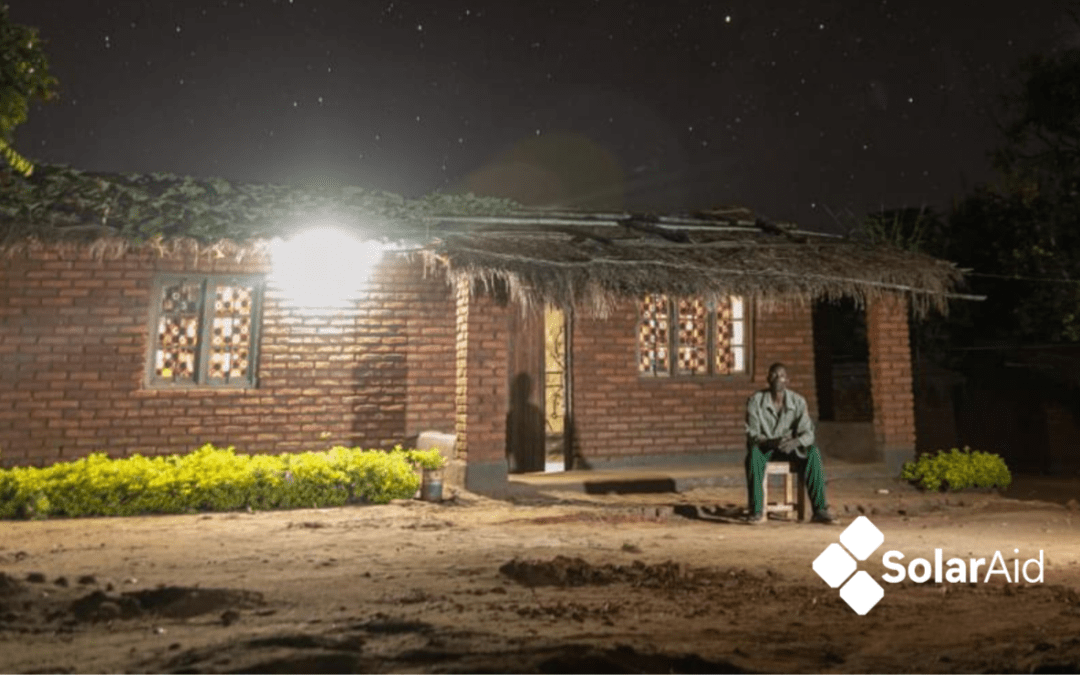
 Kasakula, home to 8,813 households, previously relied on candles, kerosene lamps, and grass fires for lighting.