by Catie Owen | Jan 13, 2026 | Asia, Storage
Press Release
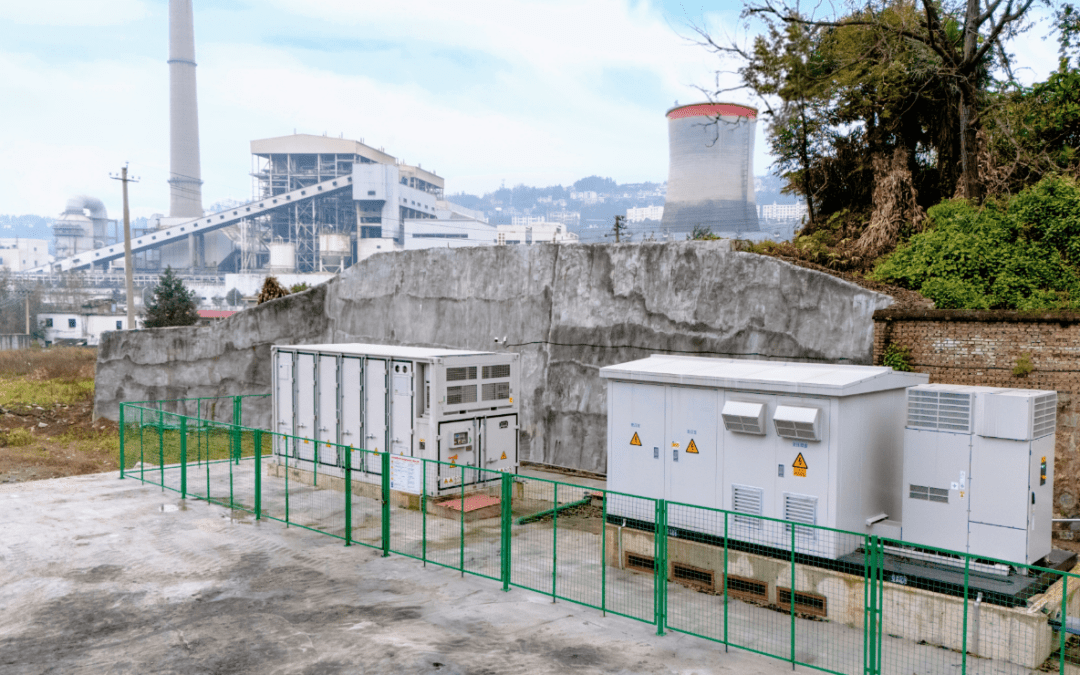
HyperStrong, in collaboration with Inovance, successfully commissioned a 2.5 MW / 3.343 MWh battery energy storage system (BESS) for a coal mine in China. The project has completed all testing and commissioning phases and is now officially in operation.
Designed specifically for the highly demanding and high-risk conditions of coal mining, the project represents a landmark application of electrochemical energy storage in the mining sector. It establishes a new benchmark for safety-oriented BESS deployment in industrial environments.
Coal mines are among the most dangerous industrial environments, where even brief power interruptions can rapidly escalate into serious safety incidents. By deploying advanced electrochemical energy storage solutions, HyperStrong ensures an instantaneous emergency power supply with higher reliability and safety.
The solution reduces maintenance demands, operational risks, and environmental impact while significantly strengthening the mine’s resilience against unexpected grid outages.
The project deploys HyperStrong’s flagship liquid-cooled battery energy storage system, featuring a highly integrated and flexible design with enhanced safety and operational efficiency.
Engineered for the special conditions of coal mines, including high temperatures, humidity, and heavy dust. The system features customised structural and protective enhancements to ensure long-term, stable, and reliable operation.
The system is developed in strict compliance with coal mine safety standards. It integrates mine-specific design and EMS control strategies, enabling rapid automatic switching to emergency operation during grid outages.
It ensures an uninterrupted power supply to critical safety loads, effectively mitigating outage-related risks and strengthening overall safety.
Truly valuable technology goes beyond performance metrics—it protects lives when it matters most. HyperStrong’s mining energy storage solution stands guard in high-risk, high-safety-demand scenarios, supporting stable operations and ensuring every miner’s safety during daily work.
HyperStrong will continue to advance its “Energy Storage + X” strategy by delivering scenario-driven energy storage solutions across a wide range of industrial applications, unlocking infinite possibilities.
Through continuous technological innovation and system-level optimisation, the company remains committed to building a safer, efficient, and intelligent energy ecosystem while supporting customers in reducing operating costs and improving energy efficiency.
[Image credit: HyperStrong]
Want to publish a press release? Submit your content here for review by our editorial team.
by Catie Owen | Jan 13, 2026 | Asia, Commercial & Industrial Solar
The Ministry of Finance and the State Taxation Administration announced on January 9 that China will remove value-added tax (VAT) export rebates for the photovoltaic (PV) industry starting April 1, 2026.
This policy shift marks a significant adjustment to the financial incentives supporting the country’s renewable energy exports.
The new regulations establish different schedules for solar and battery products. While solar rebates will vanish in a single step, the battery sector faces a two-stage reduction.
The adjustment affects a broad range of high-tech components. The solar category includes monocrystalline silicon wafers (specifically those with diameters above 15.24 cm), unassembled cells, and finished modules.
In the battery sector, the policy extends beyond standard lithium-ion packs to include all-vanadium redox flow batteries and essential upstream materials like lithium hexafluorophosphate and lithium cobalt oxide.
Market and industrial outlook
This marks the second major adjustment to the rebate structure in 14 months, succeeding a 2024 reduction from 13% to 9%.
Analysts indicate the update will increase export costs for Chinese PV and battery manufacturers, while some firms may advance exports before the deadline, potentially triggering a surge in shipments in early 2026.
The policy is intended to reinforce China’s industrial policy goals. These focus on industry consolidation and a move towards higher-value, more sustainable manufacturing rather than volume-based growth.
by Catie Owen | Jan 7, 2026 | Asia, Commercial & Industrial Solar, Storage
LONGi Green Energy Technology Co. has announced a strategic shift to replace silver with base metals in its solar cell production.
The move comes in response to escalating costs and intense market competition, which have pressured the industry’s profit margins.
Mass production of these base-metal solar products is scheduled to begin in the second quarter of 2026. According to a company filing on 5 January, the transition is intended to “further lower the costs of solar modules.”
The economic pressure of silver
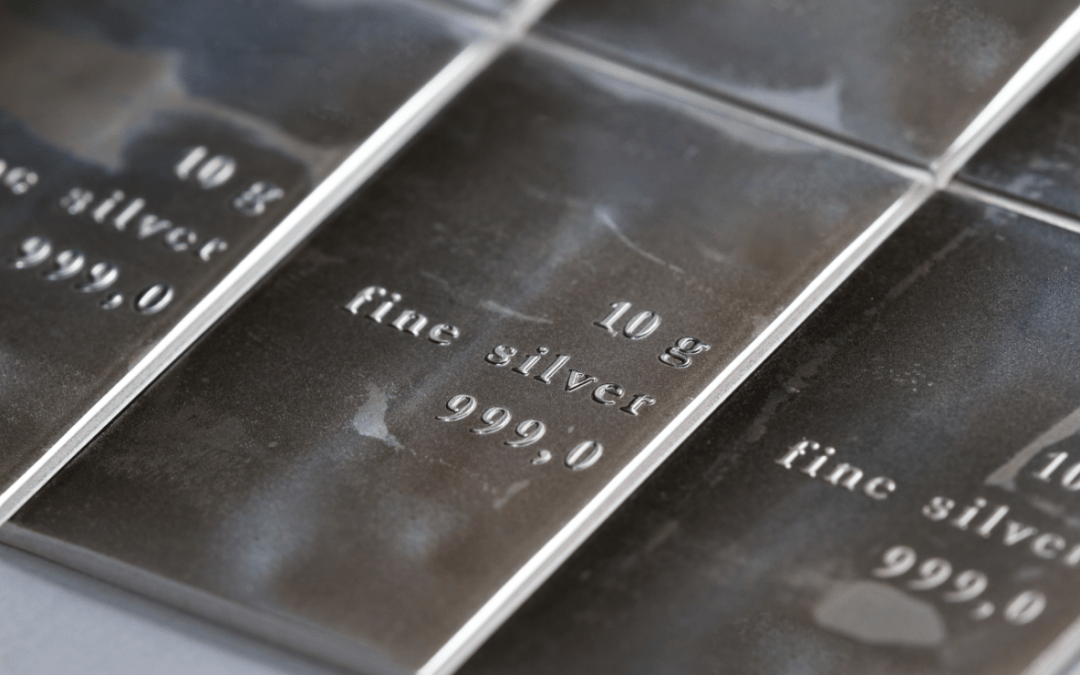
The solar industry has long sought to reduce its reliance on silver, but recent market volatility has accelerated these efforts. According to BloombergNEF, silver now accounts for 14% of the cost of solar modules, a significant increase from 5% two years ago.
The price of silver has seen a dramatic trajectory:
- 2025 performance: The metal’s price surged 150% last year, driven by demand from the tech sector, global uncertainty, and the US Federal Reserve interest rate cuts.
- Current market: As of Tuesday, silver prices rose over 5% to approximately $80.73, nearing the all-time high of $83 recorded in late December.
- Geopolitical factors: Some analysts attribute the recent spike to China’s new export restrictions and increased global uncertainty following the US’ capture of Venezuelan president Nicolás Maduro.
China’s export restrictions
China, a dominant global producer, has limited the number of companies authorised to export silver to 44, which some analysts believe may create a “local surplus”.
Other analysts have compared the situation to previous restrictions on rare earth minerals used to maintain control over critical resources.
The restrictions have drawn criticism from industry leaders, as the metal remains vital for high-growth sectors, including electric vehicles (EVs) and AI data centres. Elon Musk, CEO of EV giant Tesla, commented on his social media platform X: “This is not good. Silver is needed in many industrial processes.”
LONGi’s pivot
LONGi’s pivot is supported by its specific focus on back-contact (BC) solar cells. While “TopCon” technology currently holds a larger market share, LONGi maintains that BC cells are better suited for material substitution.
Beyond solar cell innovation, LONGi said in its Monday statement that it will expand its new energy storage business. The company plans to focus its storage efforts on the domestic Chinese market as well as Europe, the US, and Australia.
by Catie Owen | Jan 6, 2026 | Asia, Everything Installer, Innovation, Press Release
Press Release
LONGi has been recognised by CDP, the global environmental non-profit, for its leadership in corporate transparency and performance on water security, securing a place on CDP’s respected annual ‘A’ List, and scored ‘B’ Management Level for Climate Change for the third year, demonstrating long-term commitment and professional expertise in water resource management as well as outstanding performance in sustainable development management.
Achieving an ‘A’ place LONGi among the global leaders demonstrates comprehensive disclosure, mature environmental governance, and meaningful progress towards environmental resilience.
CDP operates the world’s only independent environmental disclosure system and assesses thousands of companies each year. In 2025, nearly 20,000 companies were scored, out of more than 22,100 reporting through CDP’s platform. In 2025, 640 investors with $127 trillion in assets asked CDP to collect data on environmental impacts, risks and opportunities.
It evaluates companies’ depth of reporting, understanding of environmental risks, and evidence of best practice – including ambitious target-setting and verified action.
LONGi recognises that water is not merely an essential resource for production, but also a fundamental pillar for ecosystem health and community prosperity. LONGi has consistently integrated water resource management into the core of our corporate sustainable development strategy, establishing and implementing systematic water management policies that cover the entire process from production operations to the supply chain.
At the same time, we believe that transparent communication would earn stakeholders’ trust and help us jointly address global water challenges.
Since 2021, LONGi has consistently participated in the CDP Water Security and Climate Change questionnaires, disclosing its ESG management goals and progress. After LONGi achieved the leadership score (A-) in water security for the first time, we have continued to increase investments in water resource management.
Finally, in 2025, with outstanding leadership in water resources management, LONGi received the highest leadership score in the 2025 water security questionnaire for the second year and was included in the prestigious annual ‘A’ List.
In 2024, LONGi strengthened sustainable water resource management, improved water efficiency, and established water resource management policies and water-saving requirements to reduce wastewater generation and discharge.
During the operation, LONGi continues to optimise its water-use structure and advance water-stress assessments for the rational development and efficient utilisation of regional water resources through water-saving technological upgrades, wastewater treatment and reuse projects, and other related initiatives, improving water-resource efficiency at production sites while reducing wastewater discharge. In 2024, we conducted water resource risk assessments at all operational locations and formulated water-saving policies and plans, clarifying water-saving targets.
In 2024, the Group’s overall water use intensity target1 was to decrease 13.8%, compared to 2023, while the actual decrease was (meeting the target)24.8%
In addition, LONGi monitors the water footprint of products and has joined the LWFI1, collaborating with value chain partners to alleviate local water resource pressures. We establish water footprint management plans by product type, monitor product water-use intensity, and explore the construction of “zero wastewater discharge” factories.
In 2024, by analysing the water-saving potential of all production stages and employing alternative water measures such as grey water recycling, concentrated water recycling, and rainwater recycling, the reduction rate of water use intensity was considerably reduced in monocrystalline silicon, wafers, and cells compared to 2023, especially in the cell sector, with an actual reduction of 44.5%.
Water is the source of life and the core of sustainable development. LONGi will continue to uphold its commitment to water security with high standards, driving efficient water resource utilisation through technological innovation to protect every precious drop of water on this blue planet for a sustainable future for humanity.
Want to publish a press release? Submit your content here for review by our editorial team.
by Catie Owen | Dec 16, 2025 | Asia, Commercial & Industrial Solar
TotalEnergies and Google have entered into a 21-year Power Purchase Agreement (PPA) to supply certified renewable power to Google’s data centre operations in Malaysia.
The agreement will provide a total volume of 1TWh, equivalent to 20MW, sourced from the Citra Energies solar plant located in the northern Kedah province.
The Citra Energies solar farm, scheduled to begin construction in early 2026, was awarded to a partnership between TotalEnergies (49%) and its local partner MK Land (51%) by the Malaysian Energy Commission in August 2023 under Malaysia’s Corporate Green Power Programme (CGPP).
This PPA extends the collaboration between the two companies, following a similar agreement announced in November for renewable power supply to Google’s data centres in the United States.
Giorgio Fortunato, Head of Clean Energy & Power, Asia Pacific, Google, stated, “We’re thrilled to build on our collaboration with TotalEnergies in Malaysia. This agreement is a key part of our strategy to make meaningful investments that benefit the economies where we operate.
“By enabling this new clean capacity, we are supporting local growth of the electricity system hosting our infrastructure.”
The deal aligns with Google’s strategy to introduce new, clean energy capacity to the grid systems where its operations are located.
Sophie Chevalier, Senior Vice President Flexible Power & Integration at TotalEnergies, commented on the development, saying, “We are delighted to strengthen our collaboration with Google through this agreement to supply renewable electricity to their new data centre in Malaysia.”
The power supply agreement is slated to take effect once the project reaches its Financial Close, which is anticipated in the first quarter of 2026.
by Catie Owen | Dec 10, 2025 | Asia, Commercial & Industrial Solar, Everything Installer
JinkoSolar, a global PV and ESS supplier, has commissioned a 9.728MWp rooftop solar photovoltaic system at Bangkok’s Krung Thep Aphiwat Central Terminal, Thailand’s largest railway station.
The installation, carried out by the Hiper Smart Consortium, is intended to meet the high and stable electricity demand for the lighting, cooling, and operational systems of the terminal, which serves over 600,000 passengers daily.
The project, developed by the Provincial Electricity Authority (PEA) for the State Railway of Thailand (SRT), incorporates more than 15,000 high-efficiency Tiger Neo TOPCon modules.
The modules were selected for their superior energy yield and high-power density, features necessary to maximise generation on the station’s vast rooftop and address its intensive, 24/7 energy requirements.
Operating under a self-consumption scheme, the PV power directly offsets electricity purchased from the grid, which is projected to reduce the station’s operational costs and enhance its energy resilience. This project represents a strategic scale-up of Thailand’s distributed PV efforts.
Daniel Liu, General Manager of JinkoSolar Indo-Pacific, said: “Powering a national landmark like this railway station with JinkoSolar’s Tiger Neo technology exemplifies how high-efficiency PV directly translates into economic and operational benefits for critical infrastructure.
“This project sets a powerful, replicable blueprint for Thailand’s clean energy transition, and we are ready to support more such transformative initiatives across the region.”
The initiative highlights the company’s role in delivering large-scale, cost-effective renewable energy solutions for high-impact public infrastructure in support of national sustainability goals.
by Catie Owen | Dec 9, 2025 | Asia, Commercial & Industrial Solar, Press Release
Press Release
DMEGC Solar has been awarded international professional services firm Aon’s 2025 “China Best ESG Employer” and “Best DE&I Practice Award”.
Aon’s “Best ESG Employer” award aims to acknowledge outstanding companies that advance ESG practices and promote sustainable business development, renowned for its rigorous evaluation system.
The six-month selection process involved research on 204 companies from various industries through questionnaires, employee surveys, and executive interviews, ultimately presenting “Best Employer” and other individual honours to 27 enterprises.
DMEGC Solar has consistently placed high importance on ESG governance, integrating ESG initiatives into its sustainable strategic decision-making. The company drives forward with its dual-core strategy, focusing on magnetic materials and new energy, accelerating its low-carbon transition, and continuously deepening technological innovation and green manufacturing.
It adheres to collaborative development with upstream and downstream partners to build a sustainable supply chain and strategic partnerships. Upholding a people-oriented principle, DMEGC Solar practices the ethos of ” Co-creation, Co-ownership, Co-prosperity and Co-sharing,” striving to create a high-quality, inclusive, and safe working environment for its employees.
These awards reflect the high recognition from various sectors of society for DMEGC Solar’s long-standing commitment to actively implementing ESG principles.
Moving forward, DMEGC Solar will continue to enhance its ESG governance and disclosure systems while driving collaborative progress across the industrial chain to lead the industry towards high-quality and sustainable development.
Want to publish a press release? Submit your content here for review by our editorial team.
by Catie Owen | Dec 5, 2025 | Asia, Commercial & Industrial Solar
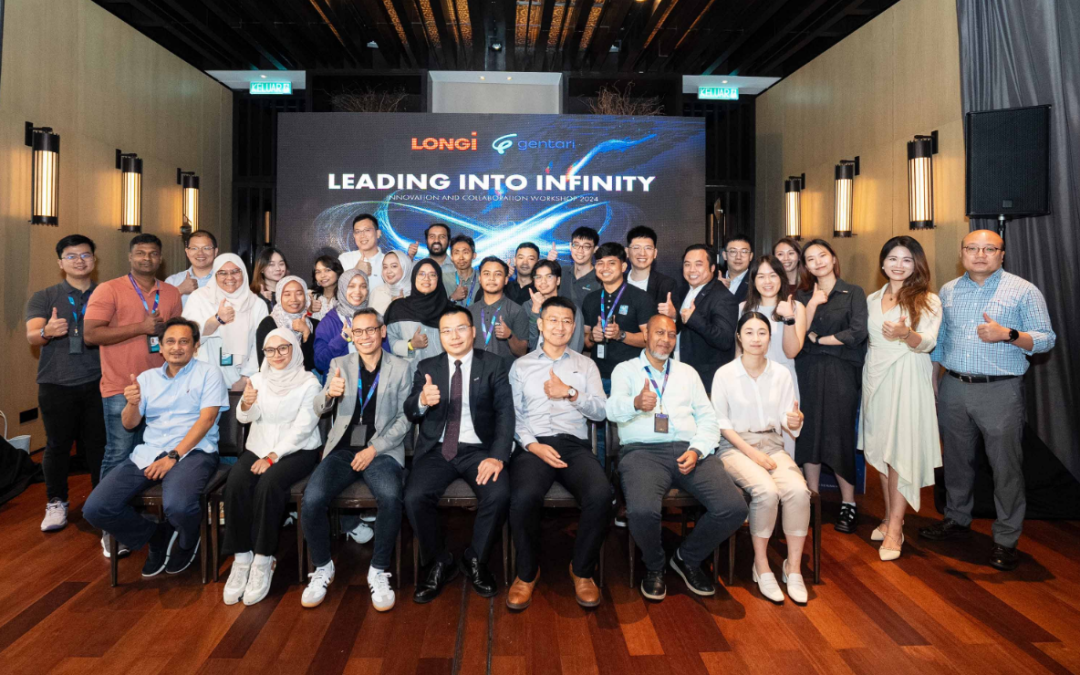
LONGi and Petronas Group, Malaysia’s state-owned energy company, have formalised a strategic cooperation order focused on advancing renewable energy projects across key Asia-Pacific markets. The partnership aims to support a sustainable and low-carbon future.
Petronas, operating through its clean energy subsidiary, Gentari, provides integrated low-carbon solutions encompassing renewable energy, hydrogen, and green mobility.
According to the announcement, LONGi’s technological capabilities, brand influence, and shared commitment to sustainability closely align with Petronas’s strategic vision.
The collaboration is intended to move beyond a buyer-supplier dynamic. A core focus will involve fostering joint research between LONGi’s Central Research Institute and Petronas’s own research entity.
This alliance is designed to accelerate innovation and co-develop high-level demonstration projects showcasing future clean energy technology.
Regarding the cooperation, Frank Zhao, President of LONGi Asia-Pacific, said: “We are delighted to deepen our partnership with Petronas, a key strategic client in the Asia-Pacific region. This collaboration is built on a foundation of shared vision and relentless pursuit of a sustainable future.
“Through our close communication and technical synergy, we are confident that our high-efficiency products and solutions will provide significant value and support Petronas in achieving its ambitious clean energy goals.”
Looking forward, the two companies plan to deepen project cooperation across multiple Asia-Pacific markets. They will also explore new opportunities in renewables, energy storage, and green mobility, working together toward a net-zero future.
This partnership marks a strategic step in LONGi’s global commitment to building lasting customer relationships and promoting the widespread adoption of clean energy.
by Catie Owen | Dec 3, 2025 | Asia, Commercial & Industrial Solar, Electric Vehicles
Octillion has announced the successful conversion of one of its three Indian battery system manufacturing factories to facility-wide solar energy, establishing a site that now operates entirely on carbon-free power.
This achievement anchors a larger initiative to make all the company’s India-based facilities carbon neutral via solar power generation by 2027.
Global President of Octillion, Paul Beach, commented on the commitment: “India’s electric vehicle market is accelerating rapidly, and we’re committed to ensuring this growth is truly sustainable.
“By converting our manufacturing to solar power, we’re closing the loop – producing the clean energy storage solutions of tomorrow, using clean energy today. This is just the beginning of our journey toward our goal of carbon-neutral operations across all our India facilities by 2027.”
The Pune facility, which spans approximately 8,200 square meters, generates 3GWh of total annual battery capacity.
Its new rooftop solar installation is set to provide approximately 545MWh of dedicated clean energy annually, fully covering the factory’s entire power requirements. The conversion began in June 2024 and achieved full operational status by July 2025.
Nikhil Parchure, Senior Vice President at Octillion, noted the company’s role: “Accelerating cleaner, more efficient transportation in India is central to our mission as a global battery company.
“With three large-scale battery manufacturing facilities in India… Octillion is uniquely positioned to serve the fast-growing needs of India’s electric vehicle sector… We will continue to advance our efforts in India and globally by providing cutting-edge, safe battery systems, working to leave the least environmental impact possible in the transportation sector.”
by Catie Owen | Dec 1, 2025 | Asia, Commercial & Industrial Solar
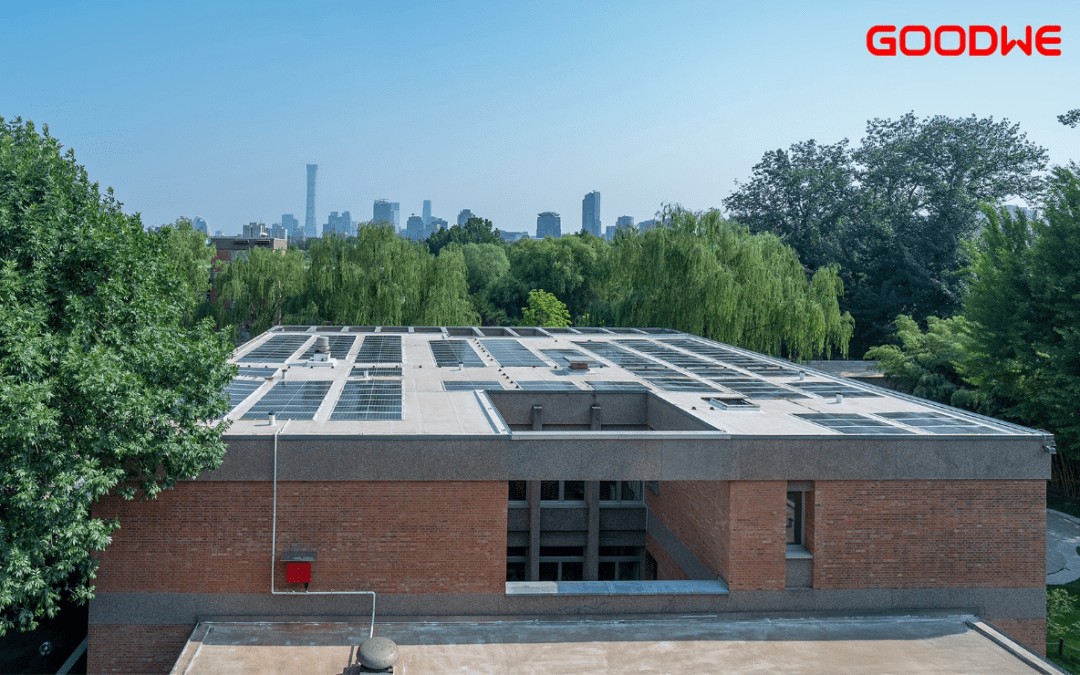
The Embassy of Switzerland in China has installed its first PV system, moving toward a greener future with technology provided by GoodWe.
This initiative places the Swiss Embassy among the early diplomatic missions to embrace renewable energy solutions as the world pursues carbon neutrality.
Explaining the motivation behind the project, Swiss Ambassador to China, Jürg Burri, noted Switzerland’s high priority on sustainable buildings. “This year, we’ve taken many measures to make this embassy green,” Burri said.
He detailed the challenge of reducing the embassy’s substantial energy use, stating that conventional measures would only achieve a limited cut. “Adding photovoltaics helps us make a real, substantial difference,” he affirmed.
GoodWe supplied a tailored Building-Integrated Photovoltaic (BIPV) solution, featuring 143 Galaxy Ultra 335W solar panels and an SDT series inverter. The 47.9kWp system is projected to generate approximately 58,856kWh in its first year, providing power to the ambassador’s residence and the main office building.
The system’s design also had to respect the nearly 50-year-old historic embassy building in Beijing’s Chaoyang District. Ambassador Burri stressed this point, stating, “While we’re making this embassy green, we must respect it as a historic building.”
He added, “We were looking at the product which is not changing the optics or the aesthetics of the embassy too much.” GoodWe’s frameless Galaxy Series panels were selected for their ability to integrate seamlessly with the architecture.
The installation was completed efficiently and with minimal disruption. Ambassador Burri remarked that “The installation was really smooth, very fast.”
Daniel Huang, CEO of GoodWe, highlighted the company’s role in the transition, stating, “This project is another example of how GoodWe delivers integrated solutions that meet specific energy needs while making installation and maintenance simple.”
Ambassador Burri concluded by positioning the partnership within the broader context of international climate action: “China leads in manufacturing capability, and Switzerland is at the forefront of innovation. This partnership shows how our strengths can come together to support global climate goals.”
[Image caption: The Embassy of Switzerland in China. Image credit: GoodWe]
by Catie Owen | Dec 1, 2025 | Asia, Large Scale Utility Solar
Huasun Energy has introduced its Himalaya 760 HV heterojunction (HJT) solar module, marking an advancement for the company in ultra-high-power module commercialisation.
The new module delivers an output of 760W, an efficiency of 24.5%, and features an industry-first 2000 V system voltage, designed to boost system returns for customers.
Huasun’s Chairman Xu Xiaohua commented that the photovoltaic industry is now “entering a new phase in which system-level cost reduction and lifecycle value are becoming the primary drivers of competitiveness.”
The 760W module is primarily designed for large-scale utility and desert-based projects, leveraging its high output and high-voltage operation to maximise project economics.
The key innovation is the upgrade from the current industry-standard 1500 V system voltage to 2000 V. This modification, as demonstrated in a simulated 100 MVA utility project in Hami, Xinjiang, unlocks substantial system-level optimisation.
Compared with a 1500 V system, the 2000 V configuration is shown to reduce BOS (Balance of System) costs by approximately RMB 0.1157/W (≈ US 1.6 cents/W), cut foundation pile demand by more than 5,000 units, and significantly improve land-use efficiency.
Further analysis comparing the HJT 760W (2000 V) system with a TOPCon 725W (1500 V) system revealed BOS cost reductions of RMB 0.1521/W (≈ US 2.1 cents/W), resulting in approximately 11.95% in BOS savings and an increase of 0.86 percentage points in the project’s Internal Rate of Return (IRR).
These performance gains translate directly into stronger investment returns for utility-scale solar projects.
The Himalaya 760 HV integrates several design upgrades, including a 132-half-cell dual-string architecture, large-size silicon wafers, negative spacing design, and high screen coverage.
The module achieves an active area ratio of 95.8%, contributing to an approximate 20W power gain and a 0.66% efficiency improvement.
To guarantee safety under ultra-high-voltage operation, the module incorporates an innovative butyl edge-sealing process to enhance insulation without compromising efficiency.
The design is fully compatible with existing high-efficiency production lines, requiring only minor equipment adjustments for mass production.
Combining 760W output, 24.5% efficiency, and the 2000 V platform, the Himalaya 760 HV establishes a new benchmark for next-generation utility PV systems. Xu concluded: “760W is not an endpoint, but a new starting point.
This platform will continue evolving toward higher power, higher efficiency, and higher value for the global clean energy transition.”
by Catie Owen | Nov 27, 2025 | Asia, Innovation
South Korea has unveiled a new plan to increase its presence in next-generation solar technology by 2030, marking the third phase of its ‘Super-Innovation Economy’ strategy.
Announced by the Ministry of Economy and Finance on 26 November, the initiative prioritises securing core technologies for ultra-high-efficiency tandem solar cells, committing a significant package of financial and policy support.
The project is driven by the goal to “strengthen future strategies to respond to the climate crisis and technology hegemony,” according to the press release*.
The government aims for world-first commercialisation within the next five years, specifically targeting tandem solar technology – which stacks multiple layers of materials like perovskite and silicon to capture a broader spectrum of light.
To facilitate this, the government has set efficiency benchmarks: aiming for a cell efficiency of 35% and a module efficiency of 28% by 2030, representing what it calls the “world’s highest efficiency levels.”
The plan is backed by a substantial budget, with ₩33.6bn allocated for technology development next year to support the commercialisation of these ultra-high-efficiency cells.
Furthermore, the government will support the project with a “package of fiscal, tax, finance, and regulation measures,” stating its intention to support tangible results within the timeframe.
This includes establishing new domestic and international standard certification systems to ensure the creation of an initial market for the technology.
The solar initiative is one of six key tasks announced in the latest phase, alongside developing a next-generation power grid, deploying super-large offshore wind power, commercialising HVDC, boosting green hydrogen production, and accelerating the development of Korean Small Modular Reactors (SMRs).
* Quotes have been translated from Korean into English.
by Catie Owen | Nov 26, 2025 | Asia, Europe, Large Scale Utility Solar
ACCIONA Energía, a Spanish renewable energy developer, has been awarded a 20-year power supply agreement for the entire output of two new renewable energy projects in the Philippines.
The contracts were secured through Round 4 of the Department of Energy’s Green Energy Auction Program (GEAP).
The award covers the 101MW Kalayaan 2 wind farm in Laguna, which is currently under construction, and the 180MWp Daanbantayan solar plant in Cebu, for which construction is slated to begin before the end of 2025.
The power supply contract is expected to provide long-term certainty for the energy generated by these facilities, contributing to the Philippines’ renewable energy objectives while supplying clean and reliable power to consumers.
ACCIONA Energía stated that the agreement “supports the Philippines in reaching its renewable energy targets while delivering clean, reliable power to consumers.”
In addition to these two projects, the company is developing a pipeline of more than 2GW in the Philippines.
The firm recently restructured its Southeast Asian partnerships to strengthen its position in key markets like the Philippines and Thailand, where it holds significant portfolios and intends to continue expanding in the coming years.
ACCIONA has maintained a substantial presence in the Philippines since 2016 through its water and infrastructure divisions, completing notable projects such as the Cebu-Cordova Link Expressway (CCLEX) and the Putatan II and Laguna Lake water treatment plants.
Furthermore, ACCIONA’s foundation, acciona.org, has been working to support underserved rural communities in the country since 2021.
Through collaborations with the Ayala Foundation and the Spanish Agency for International Cooperation and Development, the foundation has brought electricity services to areas that previously lacked access.
These efforts have so far reached around 3,500 households, small businesses, and community centres.
With Spain’s solar market remaining a crucial topic, don’t miss your free ticket for Solar & Storage Live España 27-28 May 2026.
by Catie Owen | Nov 26, 2025 | Asia, Storage
LONGi has officially announced its entry into the energy storage sector with the launch of the LONGi Energy Storage One-Stop Solution.
This move strategically evolves the company from a PV powerhouse into an integrated “solar-storage-hydrogen” comprehensive energy solution provider.
The expansion into energy storage completes LONGi’s closed-loop strategy across the entire value chain, building upon its existing leading technologies in PV and hydrogen. During the launch, Dennis She, Vice President of LONGi, introduced the new “Stability Triangle” energy framework.
She said, “Solar is the creator of clean energy, energy storage is the stabiliser of the power system, and hydrogen is the regulator that balances it all. The synergy of these three will build a truly widespread, highly resilient, and affordable zero-carbon energy system.”
She drew a parallel between the energy storage industry today and the early days of solar, characterised by “confidence-driven rapid growth, but also bringing disorderly competition.”
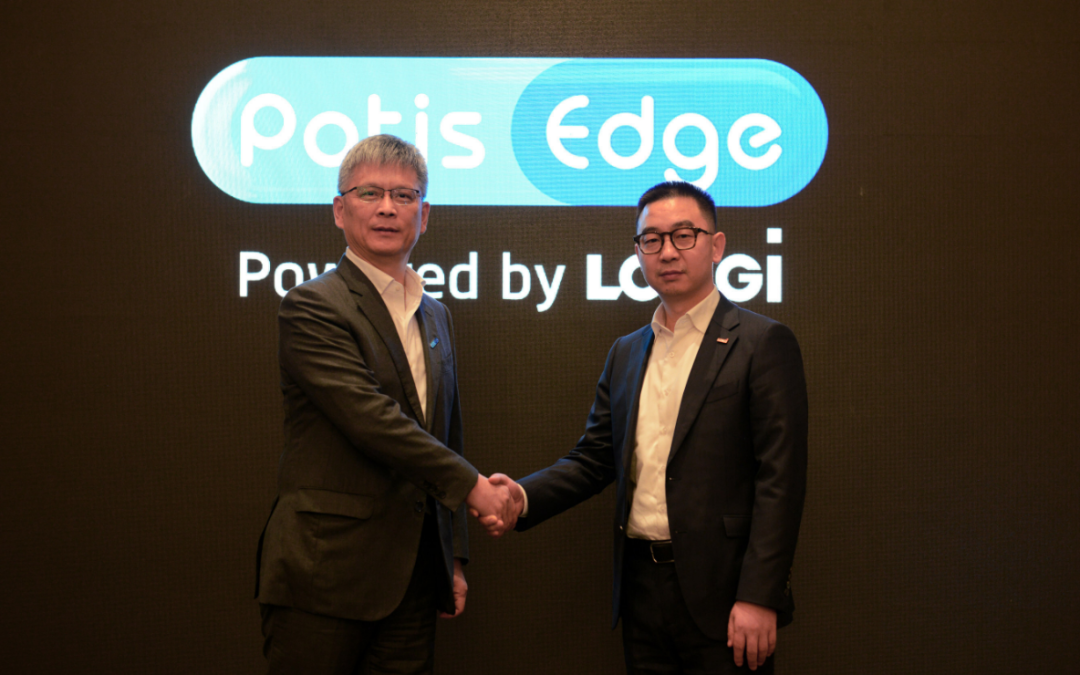
To deliver on this value proposition of “Ultimate Safety,” LONGi has partnered with PotisEdge, a specialist in energy storage safety. PotisEdge maintains a safety record of “zero thermal runaway” incidents across more than 12GWh of cumulative systems over the past decade, achieved through a three-pillar technical architecture of “intrinsic safety, active defence, and intelligent early warning.”
LONGi also announced the establishment of its first Solar-Storage Technology Innovation Centre (Centre of Excellence) in Europe. This centre will offer localised services including project consulting, technical training, and O&M support.
Regarding the European focus, She commented: “Europe’s urgent need for energy transition and its mature market mechanisms provide an ideal platform for practising integrated ‘Solar-Storage-Hydrogen’ solutions.”
The new storage solution will initially be deployed in key European markets, including the UK, Germany, Italy, and Spain.
[Image credit: LONGi]
by Catie Owen | Nov 21, 2025 | Asia, Storage
Press Release
Jinko ESS, a global leading energy storage provider and a subsidiary of Jinko Solar Co., Ltd., has expanded its collaboration with a long-standing regional partner through a new 20MWh distribution arrangement for the SunGiga G2 261kWh and 520kWh energy storage systems.
The project will support the growing commercial and industrial (C&I) demand for reliable, high-performance energy storage solutions across the Middle East.
The SunGiga G2 series was selected for its combination of performance, durability, and adaptability. The systems offer enhanced energy density and a lifecycle of up to 8,000 cycles, ensuring long-term value.
Engineered for diverse and challenging environments, including high altitudes and low-temperature regions, they are well suited for the Middle East’s varied climate and terrain.
The platform’s standardised, modular architecture further reduces system costs by over 10%, shortens installation time by up to 40%, and enables scalable plug-and-play deployment in both on-grid and off-grid configurations, supporting flexible expansion from 1 to 12 units across a wide range of C&I applications.
“This agreement marks a major step forward in our mission to power the region’s sustainable future,” said Asif SW, Head of Sales at Jinko ESS for the MENA & CA region.
“By providing our partners with our cutting-edge SunGiga storage solutions, we are empowering businesses with the tools they need to achieve energy independence, reduce costs, and enhance operational resilience.”
Want to publish a press release? Submit your content here for review by our editorial team.
by Catie Owen | Nov 20, 2025 | Asia, Innovation, Storage
Rondo Energy and SCG Cleanergy have announced the operational start of Southeast Asia’s first heat battery, charged from both the grid and a nearby solar farm.
The launch was marked by a ribbon-cutting ceremony at SCG’s cement plant in Saraburi Province, Thailand.
The new unit is now delivering 2.3MWth of continuous steam, charged from both the grid and a nearby floating solar farm. The superheated steam drives a turbine, generating 24-hour clean electricity used directly in the cement production process.
Rondo CEO Eric Trusiewicz announced: “We’re launching our first unit that is part of our new modular sizing approach, our first heat battery in Southeast Asia, and the only one worldwide delivering high-pressure steam used for electric power generation.”
The 33MWh Rondo Heat Battery is the first built on the company’s new modular platform, which allows for unit sizing to range from 33MWh to over 1GWh using a “common design” and “common” supply chain.
The unit is integrated with the cement plant’s heat recovery system and is the only heat battery globally that drives a steam turbine.
Trusiewicz continued: “This project shows that powering industry with clean energy is not just possible – it’s economical and fast. Our team and SCG built this first-of-its-kind system in just eight months. It’s a model for how industry can go electric anywhere in the world.”
The partnership is now scaling up manufacturing and deployments to address the surging demand for industrial decarbonisation. SCG Cleanergy is developing new clean industrial heat projects powered by Rondo’s technology to serve customers across the region.
Attapong Sathitmanothum, CEO of SCG Cleanergy, commented on the wider significance of the deployment: “Integrating the Rondo Heat Battery marks a turning point for the Southeast Asian industry, because heat-intensive industries like textiles, chemicals, and food processing are growing rapidly here.
“This milestone also represents another important step toward achieving SCG’s Net Zero 2050 goal.”
by Catie Owen | Nov 10, 2025 | Asia, Commercial & Industrial Solar, Europe
Solar technology giant LONGi has signed a framework agreement with Milan-based renewable energy producer Chiron Energy for the supply of LONGi’s high-efficiency Hi-MO 9 modules between 2026 and 2027.
The partnership aims to advance Italy’s renewable energy expansion and support its net-zero emissions goals.
The agreement will see LONGi’s bifacial Hi-MO 9 photovoltaic (PV) modules deployed across new and repowering projects throughout northern and central Italy. The plants will operate under various national incentive schemes, including CONTO ENERGIA and the FER X decree.
According to the companies, upgrading existing installations with the new modules could double current production capacity while cutting carbon emissions and supporting energy independence.
LONGi’s Hi-MO 9 modules use Back Contact (HPBC 2.0) technology, which removes metal grid lines from the cell surface to improve light absorption and raise conversion efficiency to 24.8%.
The modules are also designed to perform well in low-light conditions and come with a 30-year linear degradation warranty.
Claudio Gigli, CEO of Chiron Energy, said: “Our decision to partner with LONGi, a leading Tier 1 manufacturer, is part of our corporate strategy to propose projects with high ratings from the stakeholders involved in their implementation, starting with the quality of the authorised project, financing and the construction of the plants themselves.
“Our Engineering and Technical Compliance team pays particular attention to identifying win-win solutions from a technical and economic point of view, and we are particularly focused on technologically reliable and innovative solutions in the context of ESG practices and supply chain traceability and transparency with reference to the innovative Back Contact technology industrialised by LONGi.”
Stefano Salica, Sales Director Italy at LONGi, described the agreement as “a landmark achievement for LONGi in the Italian market,” highlighting that it “signifies the mutual commitment of both companies to drive the green energy transition forward.”
Francesco Emmolo, General Manager Italy and Greece of LONGi, added: “By deploying these PV plants with our advanced Hi-MO 9 modules, we are not just supplying technology; we are enabling Italy to significantly reduce its carbon emissions and stabilise its energy costs.”
by Catie Owen | Nov 10, 2025 | Asia, Innovation
A joint venture between Scatec ASA (Scatec) and its local partner Aboitiz Renewables has secured a 20-year power purchase agreement (PPA) under the Philippines’ Green Energy Auction Programme 4 (GEA 4) for a 68 MW floating solar facility.
The project, to be developed through the joint venture entity SN Aboitiz Power (SNAP) – in which Scatec holds a 50 % stake – will be sited on the Magat reservoir in the province of Isabela.
The same reservoir already hosts a 388 MW impoundment hydropower plant, an 8.5 MW run-of-river hydro facility, and a 24 MW battery energy storage system (BESS).
Scatec’s Chief Executive Officer, Terje Pilskog, said: “This award further strengthens our platform in the Philippines and underlines our ability to scale innovative, hybrid renewable energy solutions.
Floating solar on hydropower reservoirs is a smart way to add clean capacity with minimal land use and strong grid integration.”
The new facility will contribute to the Philippines’ renewable-energy objectives of reaching a 35 % share by 2030 and 50 % by 2040.
It also aligns with Scatec’s strategy to expand its solar and storage portfolio in the country, where SNAP already has 56 MW of BESS under construction and a further 80 MW in backlog.
Financial close is expected in 2026, with construction to follow and commercial operation targeted for 2027.
The plant will utilise proven floating-solar technology with an established track record in Southeast Asia. Further details on capital expenditure and financing will be announced upon completion of the financial close.
by Catie Owen | Oct 29, 2025 | Asia, Everything Installer
Press Release
GoodWe have officially launched their new 50kW commercial and industrial (C&I) string inverter, the latest addition to the SDT series. Specifically designed for small to medium-sized C&I applications, the inverter meets growing market demand for quiet, high-performance, and easy-to-install solar solutions.
Already proven in the Chinese market with over 100,000 units shipped since its debut in late 2024, the series is trusted in noise-sensitive environments such as schools, hospitals, and offices.
GoodWe’s C&I SDT series was awarded TÜV Rheinland’s dedicated low-noise certification, the first in the industry for C&I PV inverters. The 50kW model can operate at noise levels below 50dB even at full load, 15 to 20dB lower than comparable products.
“This product was developed based on insights gathered from hundreds of C&I site visits, giving us a clearer and more accurate understanding of real-world application needs,” said Alex Pan, Vice President at GoodWe. “Many small to medium-sized C&I scenarios are near areas of human activity where quiet operation is essential.
With the launch of this upgraded string inverter, we continue to lead the industry with innovations that redefine how solar power is generated and used.”
Optimised Performance for C&I Rooftops
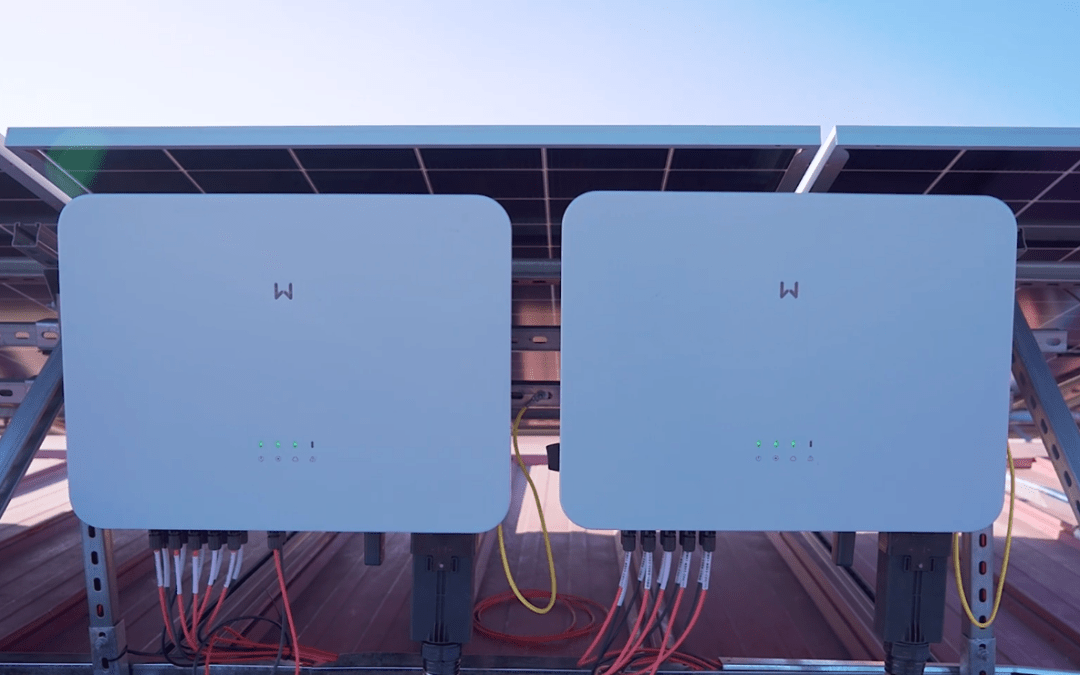
With a maximum input current of 20A per string, the SDT G3 50kW inverter is fully compatible with mainstream high-power PV modules. It features four independent MPPTs, ideal for maximising energy harvest in complex commercial and industrial (C&I) rooftop installations.
The inverter also supports up to 180% PV oversizing to ensure optimal performance by maximising energy harvest during low irradiance periods. Its wide input voltage range of 140V to 1,000V offers outstanding system design flexibility to improve overall system efficiency.
For larger energy needs, up to 10 SDT G3 inverters can be connected in parallel by using GoodWe’s Ezlink3000 communication solution.
Advanced Protection for Safer Operation
In scenarios where the inverter is installed close to people, safety is paramount. The SDT G3 is equipped with integrated string-level monitoring, Type II surge protection on both AC and DC sides, and optional AI-powered AFCI 3.0 technology to detect and mitigate arc faults.
It also features remote shutdown capability. With an IP66 protection rating, it ensures long-term durability in demanding outdoor environments.
Compact, Lightweight, and Easy to Install
Weighing only 33kg, the SDT G3 50kW is among the most compact and lightweight inverters in its class. Its slim design enables easy installation, significantly reducing labour requirements and costs across the system’s lifecycle.
Cost-efficiency is further enhanced by support for aluminium cables to lower system LCOE, and by string-level monitoring that allows for faster and more precise troubleshooting during O&M.
With a solid foundation in the domestic market and technical specifications tailored for global demands, the GoodWe SDT G3 50kW inverter is now available to international partners and customers. To give more options to their customers, GoodWe will also launch a 60kW string inverter series.
Want to publish a press release? Submit your content here for review by our editorial team.
by Catie Owen | Oct 24, 2025 | Asia, Large Scale Utility Solar
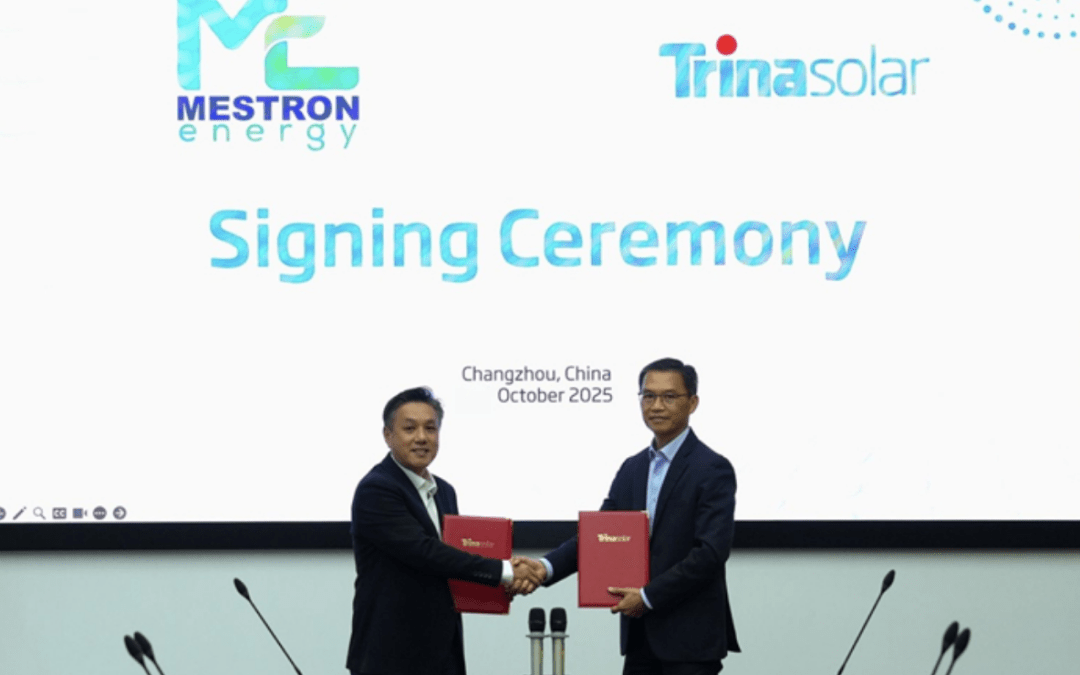
Trinasolar and Mestron Energy have signed a memorandum of understanding (MoU) to support Malaysia’s national energy transition efforts.
As part of the agreement, Trinasolar will supply 50MW of its Vertex N-type solar modules to Mestron for deployment across the country.
Trinasolar describes itself as a global leader in smart photovoltaic (PV) and energy storage solutions, while Mestron Energy is a Malaysian‐based renewable power generation specialist.
Commenting on the partnership, Trinasolar Vice President for Asia Pacific, Middle East and Africa, Ku Jun Heong, said:
“We’re pleased to partner with Mestron Energy to deliver advanced, cost-effective solar solutions that support Malaysia’s clean-energy ambitions. Our Vertex N modules are designed to maximise energy yield and help lower [the] levelised cost of energy.”
On behalf of Mestron Energy, Managing Director Por Teong Eng added:
“Partnering with Trinasolar presents an excellent opportunity to support Malaysia’s and ASEAN’s renewable energy development. We believe that solar installations will significantly reduce greenhouse gas emissions and help create a sustainable future.”
Mestron Energy, part of the Mestron Holdings Berhad group and listed on the Malaysian Stock Exchange, brings established expertise in managing solar and energy-management projects locally.
With Trinasolar’s “cutting-edge technologies”, Mestron aims to scale its portfolio and advance Malaysia’s transition to a low-carbon economy.
The deal is a sign of growing demand for corporate renewable energy solutions in Malaysia. It more broadly underscores the potential of the ASEAN region as a pivot for clean energy development.