by Emily Ashley | Oct 15, 2025 | Asia, Commercial & Industrial Solar
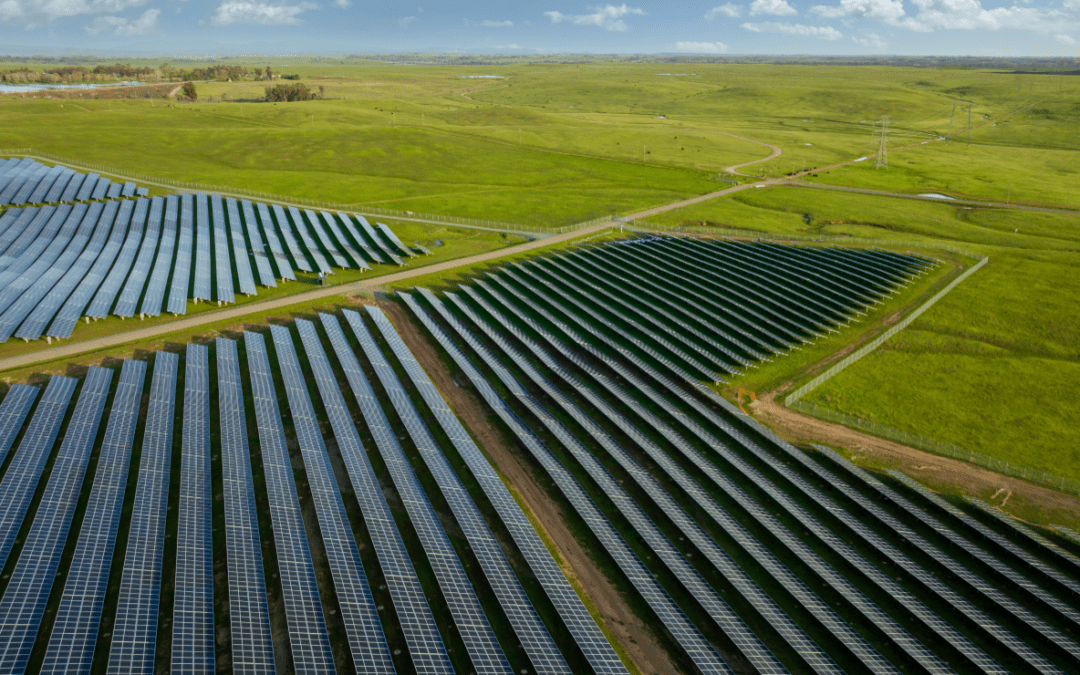
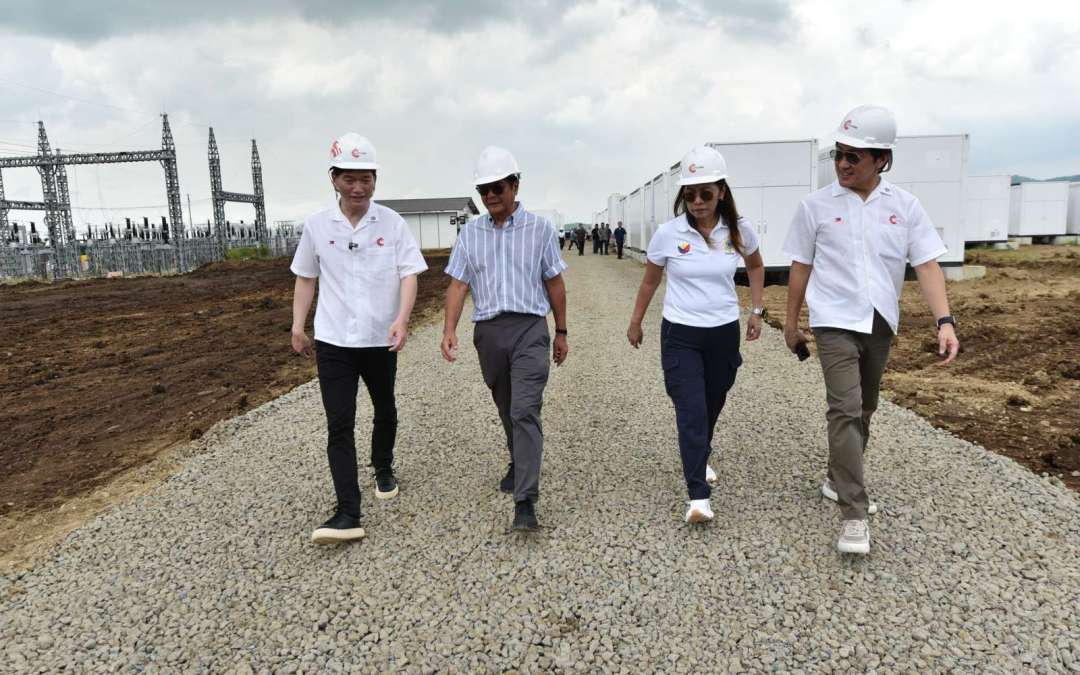
The Energy Regulatory Commission (ERC) of the Philippines has approved Terra Solar Philippines Inc. (TSPI)’s application to develop and own dedicated transmission facilities for the MTerra Solar Project – taking both records of being the country’s largest and one of the world’s largest solar-plus-battery installations.
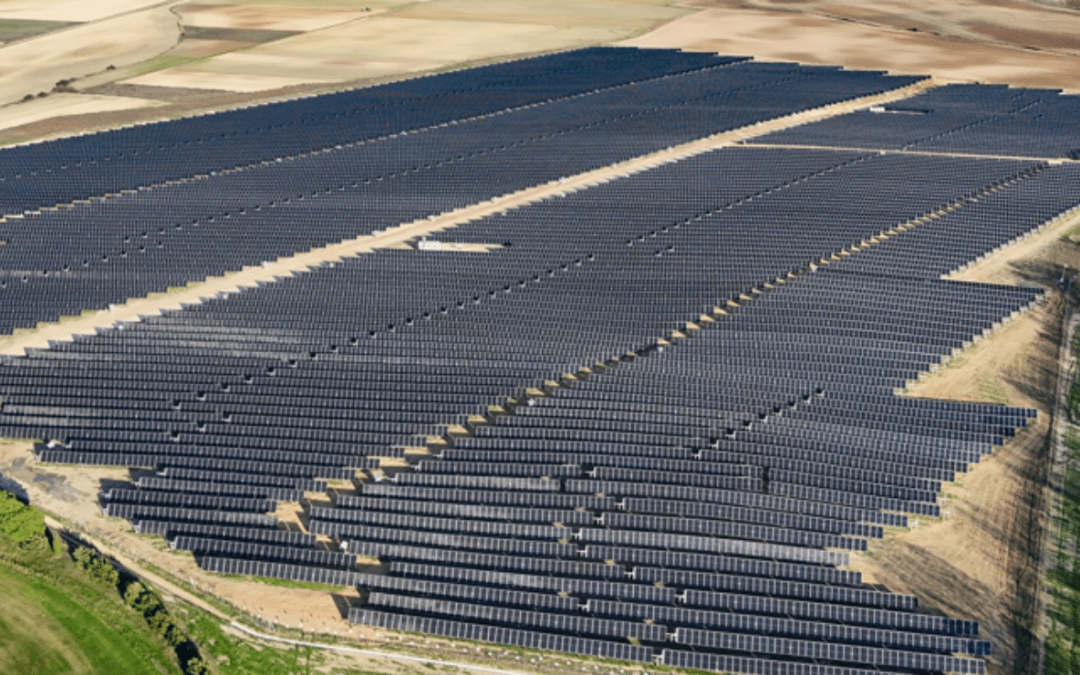
The MTerra Solar Project, located across Nueva Ecija and Bulacan on Luzon island, will feature 3.5GW of solar capacity and 4.5GWh of battery energy storage.
Developed by TSPI, a wholly owned subsidiary of SP New Energy Corp (SPNEC), the project will connect to the Luzon grid through its own point-to-point transmission network.
The interconnection will use the existing 500 kV Nagsaag–San Jose transmission line and the planned 500 kV San Isidro substation.
In its decision issued on 8 October 2025, the ERC placed the value of the transmission facilities at around PHP 14.2bn and noted that construction was approximately 90% complete as of September.
The regulator has also imposed a permit fee of PHP 106.86m and instructed TSPI to submit a compliance report and finalise an operations and maintenance (O&M) agreement with the National Grid Corporation of the Philippines (NGCP).
While the ERC granted TSPI the authority to build and own the transmission system, it denied the company’s request to operate and maintain the facilities, confirming that NGCP will handle O&M responsibilities subject to applicable charges.
The Commission also highlighted potential delays related to the San Isidro substation, as NGCP has yet to secure approval for its capital expenditure plan.
The first phase of MTerra, consisting of 2.5GW of solar and 3.3GWh of battery storage, is scheduled to begin operations by February 2026, with full completion targeted for 2027.
As of July 2025, 54% of Phase 1 was complete, with 778 MW of solar already installed – making it the largest solar facility in the Philippines.
Valued at PHP 200bn and supported by $600m in foreign investment, the MTerra Solar Project is expected to supply up to 850 MW of baseload solar power to Meralco under a power supply agreement, contributing significantly to the nation’s renewable energy goals.
by Emily Ashley | Oct 15, 2025 | Asia, Commercial & Industrial Solar, Innovation
JA Solar has begun volume production and initial shipments of its latest high-efficiency photovoltaic module, DeepBlue 5.0, from its advanced manufacturing base in Yangzhou, China.
The company said the launch reflects its ability to scale next-generation PV technology efficiently, reinforcing its position as a reliable partner for the global commercial and industrial solar markets.
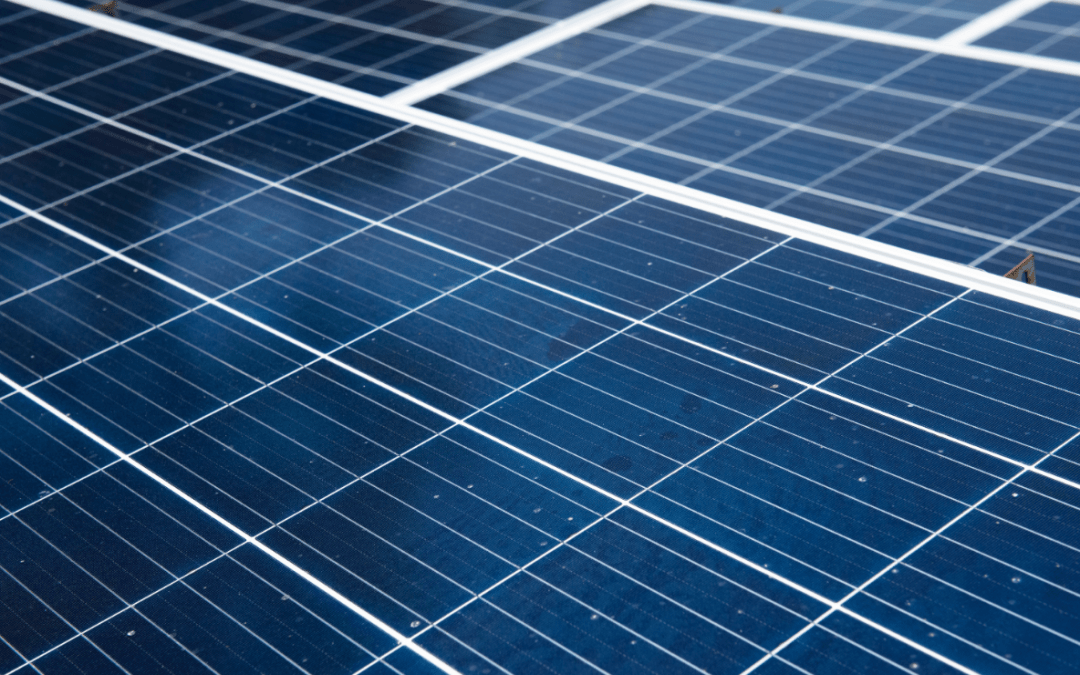
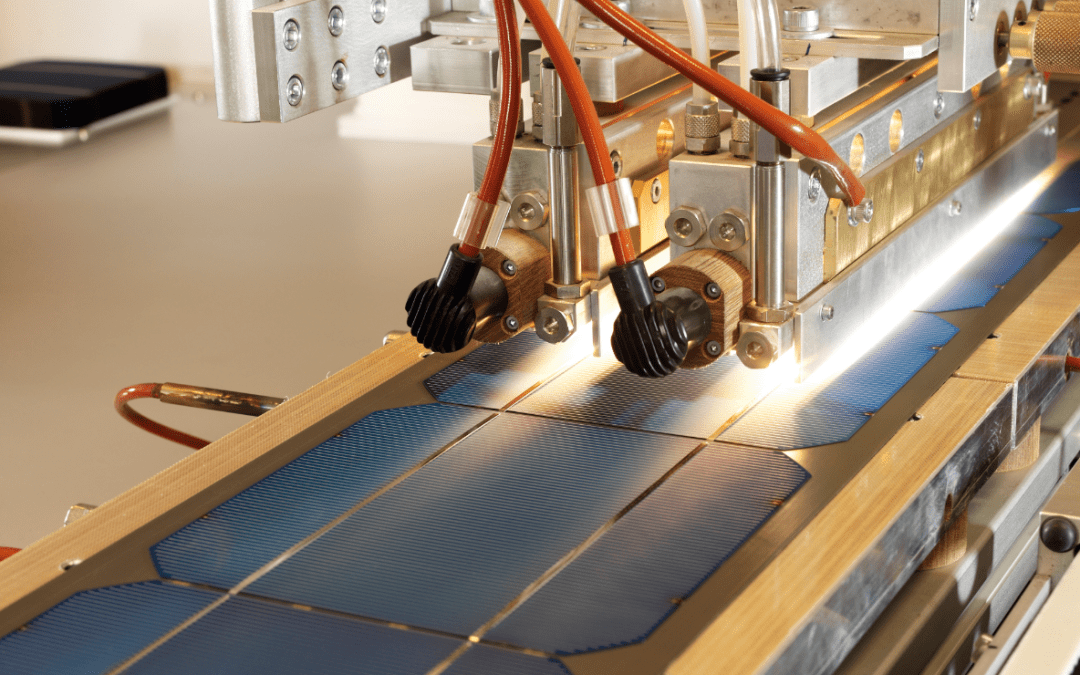
The DeepBlue 5.0 module incorporates JA Solar’s proprietary Bycium+ 5.0 n-type cell technology and TOPCon architecture, achieving up to 650W of power output and a conversion efficiency of 24.07%.
The module’s high-density interconnection design is intended to boost energy yield and improve durability in challenging environments. With a temperature coefficient of –0.26% per °C and a bifaciality rate of 85% ±5%, JA Solar said the module delivers consistent performance across a range of climates and installation conditions.
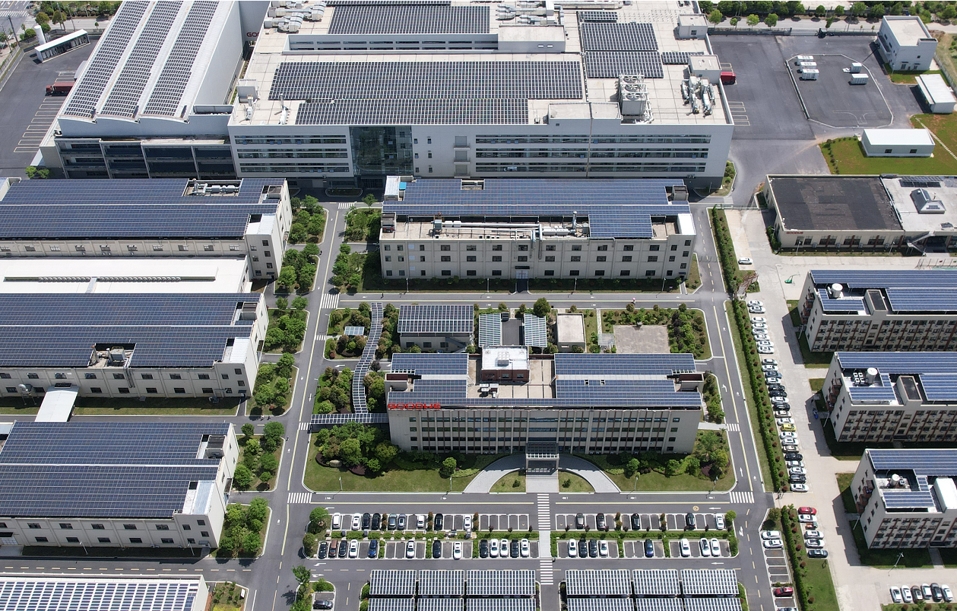
Production takes place at the company’s fully automated Yangzhou facility, which is equipped with intelligent quality control systems and high-capacity manufacturing lines.
JA Solar described the site as a key hub in its global production network, supporting large-scale output while maintaining strict quality standards.
According to the manufacturer, the rollout of DeepBlue 5.0 demonstrates its capability to manage complex production processes efficiently and to meet delivery schedules for international customers.
“The first shipment of DeepBlue 5.0 demonstrates both our technological innovation and the strength of our manufacturing operations,” said Aiqing Yang, Executive President of JA Solar.
“Our partners can rely on consistent, large-scale supply with high performance and long-term reliability.”
by Emily Ashley | Sep 30, 2025 | Asia, Innovation, Storage
A subsidiary of oil and gas company Reservoir Link has signed an agreement to jointly develop Malaysia’s first dispatchable solar PV plant.
Founder Group Limited, trading as Founder Energy, announced on 26 September that it had signed a head of agreement with Planet QEOS, an agricultural technology and energy group.
The deal will see a consortium led by Founder and Planet QEOS deliver a 310MWp ground-mounted solar PV plant in Baram, northern Sarawak, paired with a 620MWh battery energy storage system (BESS).
The project, named the Baram DeepTech Energy Program, is estimated to be worth RM1.16bn
According to earlier reports from Planet QEOS, partners in the programme also include Malaysian renewable energy firms EFS Energy and ES Sunlogy, along with China State Construction Engineering Corporation (CSCEC) and Chinese renewables provider Hopewind.
Sarawak deputy minister Datuk Gerawat Gala told The Star in August that the project would bring “round-the-clock renewable power to Baram…unlocking the full potential of the Baram hinterland for sustainable growth with improved connectivity, modern infrastructure, new industries, and skilled employment opportunities.”
The consortium will now seek regulatory approvals, financial close and definitive agreements, including power purchase contracts. Plans also include the development of a 200MW Tier-4 Green Data Centre Park in Baram, with Tier-4 being the highest reliability ranking for data centres.
Malaysia has been relatively slow in adopting large-scale storage, partly due to its stable peninsular electricity grid and natural gas resources.
However, renewable energy growth – needed to meet the country’s 2050 net zero goal – along with rising demand from data centres, is expected to increase the role of BESS.
by Emily Ashley | Sep 26, 2025 | Asia, Commercial & Industrial Solar, Press Release, Storage
Press Release
Global market intelligence provider S&P Global Commodity Insights has recognised GoodWe as Tier1 PV inverter supplier in their Cleantech Companies list for 2025.
S&P Global Commodity Insights uses a wide range of metrics to help developers, offtakers and other stakeholders make informed decisions in a crowded market with numerous new and old players.
The 2025 Tier1 assessment evaluated global manufacturers in six key dimensions: Market Presence, Market Share, Operational Capacity, Global Diversification, Financial Performance and Sustainability Metrics.
S&P Global Commodity Insights defines the relevance of their Tier list: “In today’s overcrowded, and competitive market, cleantech manufacturers must differentiate themselves to win contracts, while project developers seek reliable, reputable partners.
The Tier1 designation helps both sides of the market make informed decisions by spotlighting suppliers that surpass a threshold of rigorous, relevant criteria.”
Manufacturing with 15 years of experience
GoodWe is a world-leading manufacturer of inverters, battery energy storage systems (BESS) and smart energy solutions with a wide product portfolio and strong market presence. Established in 2010, the company offers products in the residential, commercial and industrial (C&I), and utility scale sectors.
GoodWe demonstrates a strong performance in all assessment areas of the S&P Tier1 list, having achieved over 100 GW of installations worldwide, covering the global market with 11 Subsidiaries and 27 sales and service centres.
The consistent success of the company in securing market share is based on product innovation and quality, delivered by over 1000 R&D professionals and continuous investments to drive generation and efficiency in renewable energy.
GoodWe is well-positioned to provide value to its customers, especially in the C&I sector, where battery and storage are opening new opportunities for companies to reduce energy costs, increase reliability of their infrastructure, and improve their environmental footprint.
With the recently launched BAT112 Series Battery and All-in-One ESA 125kW/261kWh storage products, GoodWe is offering solutions that have the potential to unite power generation and storage, supporting the grid and benefiting a wide variety of loads in the industry.
Sustainable solutions
Sustainability is a cornerstone in renewable energy technology and a key factor for customers around the globe. S&P Global included this dimension in its assessment, highlighting the relevance of ESG performance. As a provider of green technology, GoodWe is aiming to make power generation not only cheaper and more efficient, but also cleaner.
The company is practising environmental and social responsibility throughout the lifetime of its products. This begins with the sourcing of materials and components, extends through production and logistics and doesn’t end until the product’s end of life.
As a member of the United Nations Global Compact (UNGC) since 2021, GoodWe firmly practices the ten principles, covering human rights, labour standards, environmental protection and anti-corruption.
[Image caption: GoodWe Guangde Manufacturing Base. Image credit: GoodWe]
Want to publish a press release? Submit your content here for review by our editorial team.
by Emily Ashley | Sep 18, 2025 | Asia, Commercial & Industrial Solar, Large Scale Utility Solar
The chairman of Chinese solar manufacturer LONGi Green Energy has urged more inspections to tackle substandard products and address an imbalance between supply and demand in the sector.
Speaking on Wednesday at the China New Energy International Forum and Exhibition in Beijing, Zhong Baoshen warned that competitive pressures had weakened product quality in China’s solar industry over the past two to three years.
“Price pressure and the excessive number of participants have led to a decline in the average level of the whole industry,” he said. “Therefore, we must resolutely curb this phenomenon through spot checks to maintain the image of China’s photovoltaic industry.”
Zhong’s remarks follow a statement by President Xi Jinping earlier this week, in which he called for the “orderly” withdrawal of outdated production capacity and measures to limit “disorderly” price competition. Xi also urged industry associations to take action to improve standards.
China’s solar manufacturing sector has expanded rapidly in recent years, driven by strong global demand for photovoltaic panels.
However, analysts have warned that overcapacity and aggressive price cutting have placed pressure on profit margins and, in some cases, on quality control.
LONGi, one of the world’s largest solar panel producers, has positioned itself as an advocate for stricter oversight to protect the industry’s reputation. Zhong’s call for additional spot checks reflects broader concerns among major manufacturers about maintaining quality as competition intensifies.
While China remains a dominant global supplier of PV equipment, authorities are signalling that future expansion must balance volume with reliability.
by Emily Ashley | Sep 17, 2025 | Asia, Large Scale Utility Solar
President Ferdinand Romualdez Marcos Jr has inaugurated Citicore Solar (CS) Batangas 1, described as the Philippines’ first solar baseload power plant.
The energisation ceremony on 15 September 2025 in Tuy, Batangas was attended by Department of Energy Secretary Sharon Garin, Citicore Renewable Energy Corporation (CREC) Chairman Edgar Saavedra, CREC President and CEO Oliver Tan, and other officials.
CS Batangas 1 is a 197MWp solar facility with a 320MWh Battery Energy Storage System (BESS). The storage element enables the plant to supply electricity beyond daylight hours, providing a baseload level of power.
“Our Citicore Solar Batangas 1 is the first in the Philippines to prove that solar can be true baseload power. This is a huge step forward in the country’s renewable energy transition. With 1.5GWh of Battery Energy Storage Systems in place, we are prepared to replicate this breakthrough starting in Batangas,” said Tan.
“This continuous innovation demonstrates not only our expertise in solar but also our commitment to hitting our 1GW target up to Q1 2026. Soon, our country will no longer have to rely on unclean energy and the uncertainties of fuel importation.
“Instead, we will be powered by homegrown, reliable, and pure renewable energy – bringing us closer to our vision of Powering a First-World Philippines with Pure Renewable Energy,” he added.
CREC’s 1GW pipeline includes 11 projects across Pangasinan, Pampanga, Batangas, Quezon and Negros Occidental, with three Batangas sites also hosting 760MWh of BESS.
These are scheduled for completion by the end of 2025, with the company estimating a reduction of almost 2.8bn tonnes of carbon emissions and capacity to supply electricity to around 800,000 homes annually.
“We always value our strong partnership with government – a collaboration we’ve consistently demonstrated from Megawide to Citicore,” said CREC Chairman Edgar Saavedra.
“With our experience and expertise in engineering, construction, and innovation, we are poised to complete our projects on time, with quality, and at a lower cost.”
CREC said its vertically integrated approach supports timely delivery of projects, while community initiatives include its AgroSolar programme and other schemes under the Citicore Foundation.
[Image credit: CREC]
by Emily Ashley | Sep 15, 2025 | Asia, Commercial & Industrial Solar, Europe
Statkraft, Europe’s largest producer of renewable energy, has signed an agreement to sell part of its Indian renewable energy portfolio to Serentica Renewables.
The deal covers around 1.5 GWp of capacity in Rajasthan, including the 445MWp Khidrat solar plant, which began operating earlier this year, as well as a pipeline of solar and wind projects under development with an estimated capacity of 1,000MWp.
The transaction is subject to conditions precedent and any necessary regulatory approvals.
Fernando de Lapuerta, Executive Vice President International at Statkraft, commented:
“We are very pleased with this transaction. Serentica Renewables is a fast-growing renewable energy company with high ambitions. We are confident that they will continue to operate and develop these assets with competence and commitment, contributing to India’s green energy transition.”
Pratik Agarwal, Chairman of Serentica Renewables, said: “This acquisition accelerates Serentica’s journey in becoming a leading contributor to India’s renewable energy transition.
“By integrating Statkraft’s high-quality assets with our growth platform, we are strengthening our ability to deliver round-the-clock green power at scale and unlocking long-term value for all our stakeholders.”
Statkraft announced plans to divest its Indian portfolio in 2024 as part of a strategy to concentrate investments in Europe and South America, aiming to build scale and enhance competitiveness. “Statkraft remains committed to play a significant role in the global energy transition.
By reallocating capital to core markets in Europe and South America, we are positioning ourselves to deliver even greater value creation and impact,” de Lapuerta added.
The Norwegian state-owned company entered India in 2004 via a stake in joint venture SN Power, the first foreign investor in the country’s hydropower sector.
Over two decades, Statkraft developed a mix of solar, wind, and hydro assets, along with power trading operations across several states.
Founded in 2022, Serentica Renewables focuses on providing firm, dispatchable renewable energy to decarbonise hard-to-abate industries and recently surpassed 1,000MW of capacity.
by Emily Ashley | Sep 12, 2025 | Asia, Commercial & Industrial Solar, Europe
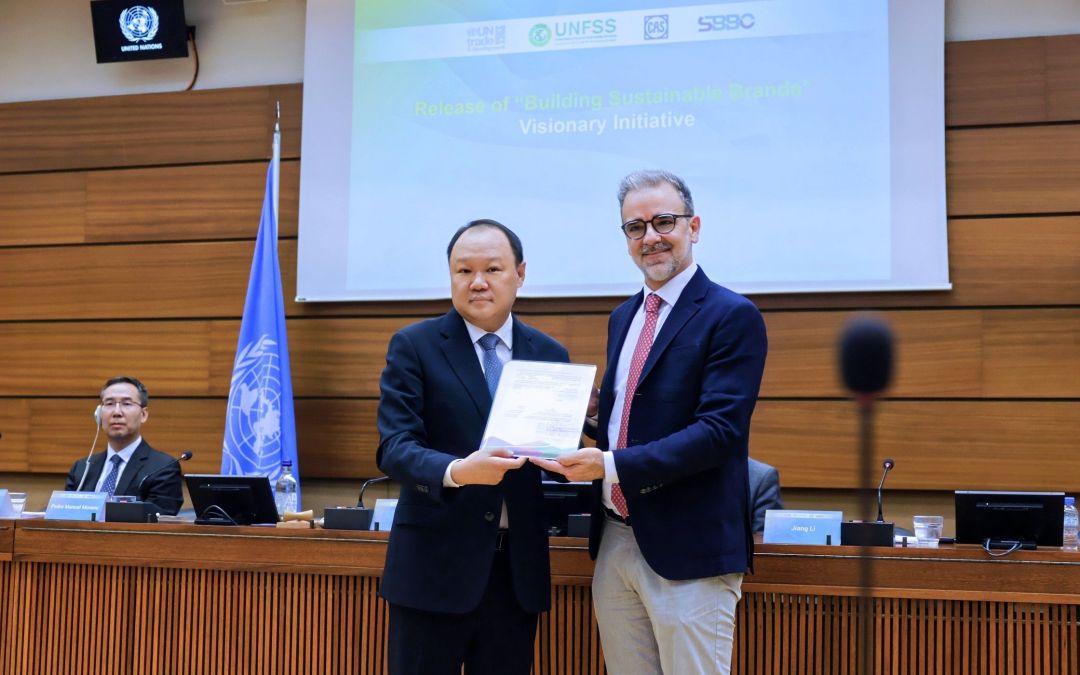
LONGi participated in senior-level discussions on “Building Sustainable Business and Brands” at the Palace of Nations in Geneva, Switzerland, from September 3 to 4, 2025.
The events were organised by the United Nations Conference on Trade and Development (UNCTAD), the United Nations Forum on Sustainability Standards (UNFSS), the China Association for Standardisation (CAS) and its Sustainable Business and Brand Committee (SBBC).
Bringing together government representatives, international organisations and business leaders, the meetings aimed to promote alignment on sustainability standards and advance corporate brand governance. LONGi was the only representative from China’s new energy sector.
On 4 September, Jia Chao, President of LONGi’s Europe Business Centre, joined a senior dialogue with heads of international organisations and multinational firms.
He said clean energy, particularly solar, had become “the backbone of the global energy transition”, noting its value in supporting development in energy-scarce regions such as Afghanistan and Pakistan.
Jia outlined the company’s approach to “creating sustainable businesses and achieving energy equity”, stressing that “technological innovation is the core engine driving enterprise development, and sustainable development is no longer an empty slogan, but a practical action” embedded in strategy, supply chains and operations.
During the event, LONGi signed the “Commitment to Build Sustainable Brands”, alongside more than 20 Chinese companies, including Anta Sports and CATL. The initiative encourages businesses, especially in new energy, to integrate sustainability into brand building.
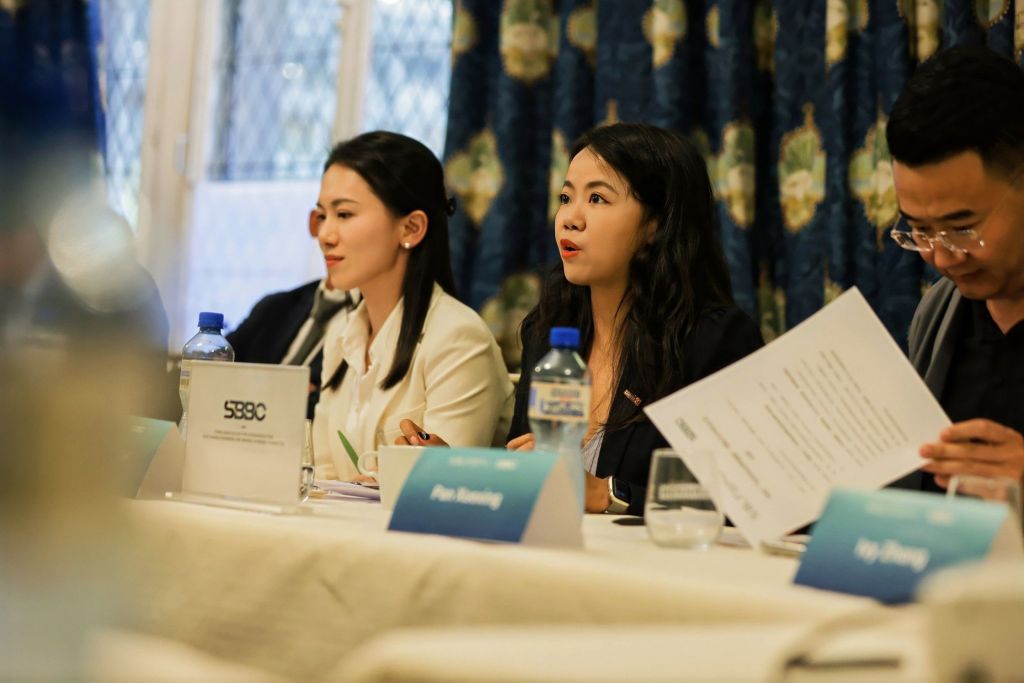
[Image caption: Floria Wang, Head of Global Branding at LONGi, delivered a speech themed “The Inherent Sustainable DNA of the PV Industry and Global Implementation.”]
Long-term sustainability strategy
Floria Wang, LONGi’s Head of Global Branding, addressed an international seminar on 3 September.
Her presentation, “The Inherent Sustainable DNA of the PV Industry and Global Implementation”, highlighted projects such as the “Photovoltaic+” scheme in China’s Kubuqi Desert, which generates renewable electricity while tackling desertification; the Kayapó project in Brazil, supporting indigenous communities through solar development; and a UNHCR solar power station in Uzbekistan, designed to cut costs and emissions.
LONGi said it is embedding green principles across its operations, including “green electricity + green hydrogen” solutions, and has upgraded its Strategy Committee to include sustainability as a core metric for decision-making. The company emphasised that its long-term brand value is tied to contributions to society and the environment.
The showcase in Geneva reflected a shift among Chinese new energy firms from technology providers to active participants in shaping global sustainability standards.
[Images credit: LONGi. Header caption: Jiang Li, Chairman of SBBC and Cheif Coordinator of SBLF (China), represented the signing company and submitted the visionary initiative to Pedro Manuel Moreno, Deputy Secretary-General of United Nations Conference on Trade and Development (UNCTAD).]
Swiss Solar Week marks the leadup to Solar & Storage Live Zürich, taking place 16-17 September. Haven’t registered yet? Don’t miss out on your free ticket by securing your place here.
by Emily Ashley | Sep 8, 2025 | Asia, Large Scale Utility Solar
Singapore’s central bank has secured US$510m in committed capital for a fund aimed at financing green and sustainable infrastructure projects – such as solar and storage – in Southeast and South Asia.
The Monetary Authority of Singapore (MAS) confirmed that funding has been drawn from several regional stakeholders, including HSBC, the Australian government, and Singapore’s state-owned investor Temasek, among others.
The fund, named the Green Investments Partnership, forms part of the Financing Asia’s Transition Partnership initiative, launched by MAS in 2023. It will focus on projects in areas such as sustainable transport, renewable energy, and storage.
Management of the fund has been entrusted to Pentagreen Capital, a sustainable infrastructure debt financing platform established by HSBC and Temasek.
“Pentagreen has brought together a diverse group of partners, which are participating across the different commercial and concessional tranches of the capital structure to de-risk and finance marginally bankable green infrastructure projects in the region,” said Gillian Tan, Assistant Managing Director (Development & International) and Chief Sustainability Officer at MAS.
The initiative is intended to contribute towards the region’s environmental and social objectives, including emissions reduction and job creation.
by Emily Ashley | Sep 5, 2025 | Asia, Innovation
Press Release
LONGi’s Hi-MO 9 module, powered by its advanced HPBC2.0 technology, has recently been awarded the Product Carbon Footprint Label Certification by the China General Certification Center (CGC).
This achievement not only fills a gap in the implementation of such standards(SJ/T 11926-2024)within China but also sets a benchmark for the photovoltaic industry in terms of data localisation.
Moreover, it provides a credible, localised model for carbon footprint assessment in China’s PV sector.
Designed specifically for utility-scale applications, the Hi-MO 9 module boasts up to 24.8% conversion efficiency and a maximum power output of 670W. This certification highlights several key breakthroughs:
Full Life-Cycle Coverage:
The assessment covers the entire 25-year product life cycle.
Innovative Use of Localised Database:
For the first time, a localised electricity emission factor that accurately reflects China’s energy structure was applied, significantly enhancing evaluation accuracy.
Deep Decarbonisation at Source:
By integrating green electricity into production and adopting low-carbon Bill of Materials (BOM) solutions – such as selecting low-energy-consumption raw materials and optimising supply chain carbon pathways – the product’s carbon footprint has been substantially reduced.
This milestone not only demonstrates LONGi’s strong capabilities in green manufacturing and low-carbon technology but also establishes a replicable pathway for carbon footprint management based on local standards.
It will further accelerate the low-carbon transformation of China’s photovoltaic industry.
Want to publish a press release? Submit your content here for review by our editorial team.
by Emily Ashley | Aug 29, 2025 | Americas, Asia, Everything Installer
High US tariffs and possible anti-dumping duties on Indian solar panel exports are set to deepen a supply glut in India next year as domestic project bidding slows, industry officials and analysts said.
US President Donald Trump’s 50% tariffs on Indian shipments will restrict sales to its largest overseas market, which accounts for 90% of exports.
The situation could worsen if the US Commerce Department imposes anti-dumping duties following a 17 July petition from American solar companies targeting imports from India, Indonesia and Laos.
“The 50% tariff will squeeze margins, and potential anti-dumping duties will make competing in the US even tougher,” said Raj Prabhu, CEO of consultancy Mercom Capital.
India’s awards of new solar projects slowed sharply in the June quarter. “We expect that India will enter overcapacity stage already in 2026, which will feel even worse with the loss of the US market,” said Wood Mackenzie analyst Yana Hryshko.
Government incentives have doubled annual module capacity to 74 gigawatts by March, with forecasts of 190 GW by 2027. Yet factories are running at only 25% utilisation on average, said Vinay Rustagi of Premier Energies.
“Some companies are running at 80%-85% like us, others are running at much lower capacity,” he added.
Finding new export markets will be difficult. Indian modules using Chinese cells are 48% more expensive than Chinese modules, while those made with Indian cells are 143% costlier, Mercom data shows.
India plans to mandate domestic cell use from June 2026, though these are more than three times the cost of Chinese alternatives, said Rystad Energy analyst Fei Chen.
Analysts expect a short-term surge in Chinese imports before the rules take effect.
“Reliance on cell imports is likely to increase in the short term, potentially leading to stockpiling, price spikes, and supply chain pressures,” Prabhu said.
India has seen a solar success in recent months, with the country announcing in July that 50% of its installed capacity now comes from renewable sources – five years ahead of target.
by Emily Ashley | Aug 21, 2025 | Asia, Innovation, Press Release
Press Release
GoodWe have launched a fully integrated all-in-One liquid-cooled energy storage solution designed for commercial and industrial (C&I) applications with 125 kW nominal output power and 261 kWh storage capacity.
The new ESA Series 125kW/261kWh can cover a wide spectrum of use cases in factories, farms, EV charging stations, commercial complexes, and other grid-connected or off-grid applications.
By integrating the Power Conversion System (PCS), battery cells, Energy Management System (EMS), and Battery Management System (BMS) within a single cabinet, the ESA Series streamlines installation, operation, and maintenance while supporting flexible capacity expansion.
This architecture enables scalability from hundreds of kilowatt-hours to multi-megawatt-hours, supporting up to 15 units in parallel with a total capacity reaching up to 3.91MWh in on-grid scenarios.
“The ESA series is engineered to deliver the high performance, reliability, safety, and environmental adaptability that today’s commercial and industrial customers expect,” said Jie Zhang, Managing Director of GoodWe Europe GmbH.
“GoodWe has a history of constantly innovating storage solutions, tailoring towards the needs of the market for operational efficiency and ensuring long-term investment security.”
Performance and safety
With a compact footprint of only 1.47 square meters and an energy density of 177.6 kWh per square meter, the ESA cabinet is ideal for sites where space is at a premium.
It incorporates top-brand 314Ah lithium iron phosphate (LFP) cells and advanced liquid cooling technology to maintain temperature consistency across cells and battery packs, even under extreme environmental conditions.
Supporting 6,000 cycles and operating reliably in temperatures from -25°C to 55°C, the storage is built for continuous operation in energy-intensive applications.
The ESA 125kW/261kWh was tested using UL 9540A methodology, meeting the strictest standards regarding safety requirements for installation, fire prevention and emergency response.
Drawing on GoodWe’s established safety solutions for C&I storage, the ESA features a six-layer protection strategy from the cell to system level, combining active and passive measures for robust fire prevention and suppression.
Aerosol-based firefighting modules are integrated in the battery packs as well as the cabinet, which is also equipped with smoke detectors, thermal sensors, and combustible gas detection. Pack-level humidity monitoring with automatic dehumidification ensures optimal internal conditions, further enhancing long-term reliability and operational security.
The ESA 125kW/261kWh has been certified by TÜV Rheinland for its comprehensive environmental adaptability, confirming the product’s reliability across multiple environmental domains in climatic, mechanical, chemical, electromagnetic, and specialised scenarios.
Operating projects demonstrate scalability and versatility
The ESA system supports diverse operating modes, including peak shaving, demand control, participation in energy trading, and off-grid backup power, ensuring fast response and precision control.
The scalability of up to 15 units connected in parallel makes the all-in-one solution well-suited for a wide range of applications. For on-grid scenarios, for example, in combination of ESA storage with GoodWe GT Series inverters, a single or multiple parallel units function together with a GoodWe SEC3000C Smart Energy Controller to support up to 40 string inverters.
Early commercial deployments in China have already reported substantial reductions in power costs and accelerated returns on investment.
At GoodWe’s Guangde manufacturing site, nine ESA 125kW/261kWh cabinets were installed in parallel, setting a new benchmark for large-scale C&I storage deployment in Chinese factories.
Another project in De’an, China, features seven ESA cabinets with a combined storage capacity of 875 kW/1,827 kWh, which is claimed to be the country’s first charging station project integrating wind, solar, and energy storage.
Designed specifically for the heavy-duty truck industry, the project sets a new benchmark for future smart, zero-carbon industrial parks.
[Image caption: GoodWe ESA with 875kW – 1827kWh integrated C&I storage for Wind-Solar-Storage-Charging project. Image credit: GoodWe]
Want to publish a press release? Submit your content here for review by our editorial team.
by Emily Ashley | Aug 15, 2025 | Asia, Large Scale Utility Solar
Construction has begun on a 99MW solar power plant in Tantangan, South Cotabato, a project expected to provide clean energy to more than 82,000 households in the Philippines.
The ₱4.49 billion initiative is funded through British International Investment (BII), the UK’s development finance institution, in partnership with HSBC and Pentagreen Capital.
It is part of a growing collaboration between the UK and the Philippines in renewable energy development.
Once operational, the solar farm is projected to generate enough electricity to power over 82,000 homes annually and prevent around 66,000 tonnes of carbon emissions each year.
Mike Welch, Chargé d’Affaires a.i. at the British Embassy Manila, said:
“This new joint financing facility between the UK’s British International Investment and Pentagreen, with ib vogt Singapore will support a 99MWp solar power project in South Cotabato, Mindanao.
“This will have a positive impact on local communities and businesses, as well as supporting the broader energy transition in the country.”
The plant is being developed by international solar company ib vogt and is their second major project in Mindanao. Construction and operations are expected to create jobs locally and strengthen the national electricity grid.
The Tantangan development adds to a series of UK-backed renewable energy projects in the Philippines, including wind farms in Luzon and Visayas, and what is set to become the country’s largest solar installation in Nueva Ecija.
These investments are intended to expand renewable capacity, support economic growth, and contribute to global climate goals.
by Emily Ashley | Aug 15, 2025 | Asia, Everything Installer
China’s solar capacity growth is expected to slow in the second half of 2025 following reforms that removed guaranteed pricing for renewable projects, according to Reuters.
Analysts predict full-year additions will still hit record highs due to accelerated construction in the first half. However, the slowdown could further impact manufacturers already facing oversupply and a price war.
Morningstar estimates global manufacturers, mostly based in China, can produce over twice the number of panels the world will buy this year.
China installed 212GW of new solar capacity between January and June, more than double the same period in 2024, National Energy Administration (NEA) data shows.
Based on this, Natixis expects a total of 300GW for 2025, implying 88GW in the second half, while Fitch Solutions’ BMI projects 310GW, suggesting 98GW later in the year. In 2024, the second half alone added 175GW, contributing to a record annual 277GW.
The reforms, introduced earlier this year, mean projects built from June must sell electricity at market prices, with rates varying by province.
“All of the projects were rushing to be commissioned ahead of the last window where they have basically guaranteed revenue,” said Linda Zeng, senior power and renewables analyst for BMI.
She added that while annual additions will still be higher “because of the sheer scale of the first half”, future monthly gains could remain at June’s 14GW. From 2026, installations are forecast to stabilise at around 250 GW annually.
Meanwhile, think tank Ember reported that China’s solar cell exports rose 73% in the first half of 2025, led by demand from India.
“Cell and wafer exports are more than making up for the stagnation in Chinese solar panel exports so far in 2025,” said Matt Ewen, Energy Systems Analyst at Ember.
by Emily Ashley | Aug 14, 2025 | Americas, Asia, Commercial & Industrial Solar, Everything Installer
South Korea has called on the United States to grant leniency to its companies in an ongoing investigation into imported polysilicon, warning that wide-ranging restrictions could harm both countries’ clean energy and semiconductor sectors.
According to a filing with the US Bureau of Industry and Security, Korea’s Ministry of Trade, Industry and Energy urged Washington to apply “flexible consideration” for Korean firms during its review under Section 232 of the US Trade Expansion Act of 1962.
The probe, launched on 1 July, is assessing whether low-priced polysilicon imports pose a national security risk.
“Korea is a net importer of high-quality polysilicon from the United States. At the same time, Korea and its companies have established a secure supply chain for polysilicon to US importers and US companies,” the ministry said.
“If import restrictions on polysilicon are introduced, we respectfully request that special consideration be given to allow for flexible application to Korean companies.”
Polysilicon prices have fallen sharply in recent years, largely due to China’s dominance in the sector.
IBK Securities reports that Chinese products, backed by state support, sell for around USD 5 per kilogram, compared with USD 18–25 for non-Chinese equivalents.
US officials have warned that such price pressures are causing domestic plant closures.
The ministry noted that restrictions could hinder US ambitions to expand domestic solar and semiconductor manufacturing, citing Hanwha Qcells and OCI Holdings as Korean firms active in US projects.
“Broadly applied tariffs or other import restrictions… risk disrupting supply chains that are important to both economic and national security,” it added.
Both companies said their supply chains avoid low-cost Chinese polysilicon. Industry sources have cautioned that sweeping measures could “face indirect damage” for allied companies investing in US manufacturing.
New development, same problem
This is not the first time organisations have pushed back against the Trump administration’s tariff rollout.
The tariffs are part of a wider initiative designed to encourage the use of domestic manufacturing, supply chains, and products.
The tariffs have included both the materials used in PV manufacturing and the solar panels themselves – primarily targeting Asian imports.
In April, the administration announced tariffs of over 3,000% on solar panel imports from various Southeast Asian countries in a bid to circumvent the influx of “subsidised, low-cost” products from China.
by Emily Ashley | Aug 12, 2025 | Asia, Europe, Everything Installer
From its launch in 2012, SolaX has grown from residential inverter manufacturing into commercial and utility-scale energy storage.
Today, it partners with developers, funders, and IPPs to deliver large-scale battery systems that help balance the national grid.
In this interview with Solar&StorageXtra, Wenyan Sharp, Deputy Regional Director for SolaX Power, shares insights on navigating shifting policies, the value of integrated storage solutions, and what’s next for the company ahead of Solar & Storage Live in Birmingham.
“Fortunately, the recent Solar Roadmap has helped to clarify many uncertainties for manufacturers, developers, IPPs, and other stakeholders. It’s connected the dots for people in the industry.”
Talk to me about the evolution of SolaX, and where the company is looking to go next.
SolaX was established in 2012 in China. Since 2013, we’ve had a presence in the UK market, where we started with residential inverter manufacturing.
Over the past decade, we’ve grown significantly. We’ve expanded from residential into commercial, and now into utility-scale projects. In recent years, we’ve developed CN&I battery storage systems for commercial applications.
Currently, our focus is on utility-scale energy storage to help balance the national grid. We’re actively working with developers, funders, and IPPs to build battery farms and, in some cases, co-located solar and storage projects.
What challenges has SolaX overcome during its growth?
One of the biggest challenges has been navigating changing government policies. We’ve seen numerous regulatory shifts – like the Gate 2, CP30, and CP35 frameworks – as well as ongoing reforms under the new Labour government.
Fortunately, the recent Solar Roadmap has helped to clarify many uncertainties for manufacturers, developers, IPPs, and other stakeholders. It’s connected the dots for people in the industry.
For example, a developer might have land but not the financial backing. Through our network, we’ve connected such developers with investors from the UK and abroad who are eager to invest in large-scale battery storage projects.
What have been the results of your conversations with industry stakeholders and decision-makers?
Many of our customers have expressed frustration with systems where the battery and PCS come from different manufacturers. That often leads to onsite conflicts, with one party blaming the other and installers caught in the middle.
Our integrated approach eliminates that problem.
There are many battery manufacturers out there, but they mostly focus only on the hardware of battery cells. SolaX started as an inverter manufacturer, which means our battery systems are fully integrated – we build the power conversion system (PCS) ourselves.
Our standard five-megawatt system comes in two containers: one houses the battery (5 MWh), and the other contains the PCS (2.5 MW) – including transformer and ABB switch gear, all in one.
What governmental and legislative changes would help drive the industry forward?
We need clearer, faster decision-making from the government. Investors and developers are often ready to go – they have the land and the money – but they’re stuck waiting due to long lead times and uncertainty about future connection dates or policy changes.
Some people have heard that projects with connection dates beyond 2027 might be halted. Whether or not that’s true, the speculation itself causes delays and hesitancy. A transparent, long-term strategy from the government would give the industry the confidence it needs.
More broadly, collaboration across the industry is essential. Stakeholders need access to better knowledge and clearer guidance to navigate this evolving landscape.
What can attendees of Solar & Storage Live this September expect from SolaX?
We’re planning to showcase our latest innovations, including the launch of our new utility-scale battery model, Ori. Also, attendees can expect to see new technologies and developments from SolaX, such as XHUB with AI technology to help households predict their electricity consumption according to weather forecasts.
Otherwise, attendees can definitely expect to see new technologies and developments from SolaX.
It’s also a great opportunity to stay up to date with industry trends. The sector is evolving rapidly, and events like Solar & Storage Live are crucial for staying informed about what’s next.
Check out our interview with Wenyan from Solar & Storage Live UK 2024, where she delved into an intriguing case study that highlighted the benefits to consumers when they invest in solar and storage.
Solar & Storage Live in Birmingham is on the horizon, so don’t miss out on your free ticket to the UK’s largest solar and storage show. Or, find a Solar & Storage Live event near you.
by Emily Ashley | Aug 12, 2025 | Asia, Everything Installer
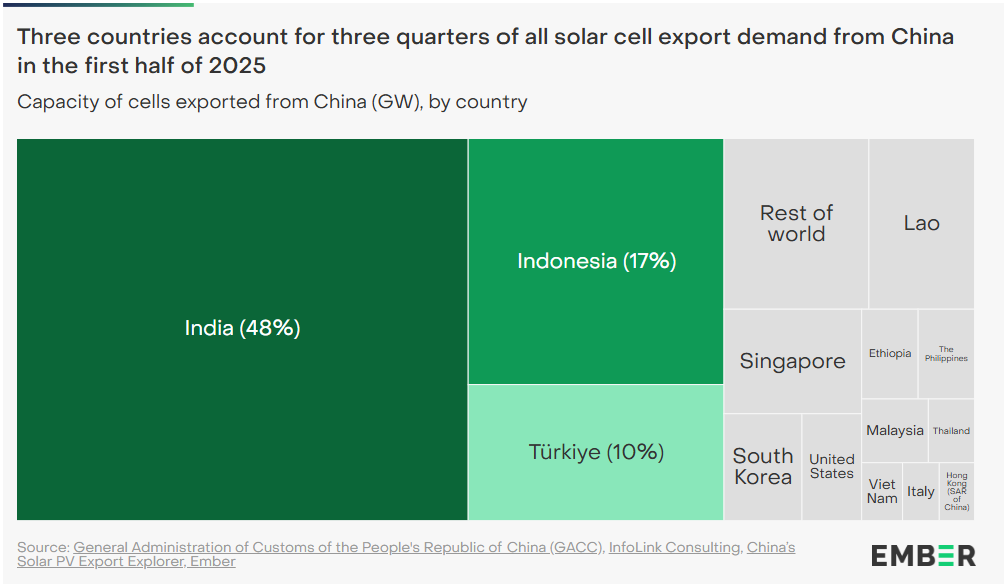
China’s solar cell exports rose by 73% in the first half of 2025, driven largely by demand from India, according to new analysis by energy think tank Ember.
Cells and wafers together made up over 40% of China’s solar product exports during the period – for the first time, cells have overtaken wafers in share – while panel exports fell by 5.2% year-on-year.
Ember said cell exports grew by 76% (+19GW) and wafer exports by 26% (+8.6GW), offsetting panel market stagnation caused by stockpile drawdowns and slower installations in Europe and Brazil.
“Cell and wafer exports are more than making up for the stagnation in Chinese solar panel exports so far in 2025,” said Matt Ewen, Energy Systems Analyst at Ember.
“India is driving growth in cell exports, whilst panels must now find new markets to go to.”
India, Indonesia, and Türkiye accounted for 75% of Chinese cell exports in 2025, with India alone responsible for 52% of the year-on-year growth.
India’s panel manufacturing capacity has outpaced its cell capacity, prompting a near doubling of cell imports from China to 21GW in the first six months of the year. The country aims for 65 GW of domestic cell capacity by 2030.
Global price trends have played a significant role. Cell prices have fallen by 82% since late 2022, contributing to a 63% reduction in panel prices.
Since August 2022, cell prices have dropped from $0.19/W to $0.03/W, and panel prices from $0.29/W to $0.09/W.
More than half the raw cost of Chinese panels now comes from non-cell components such as glass and aluminium frames.
While Asia imported 114GW of Chinese solar products in the first half of 2025 – more than twice Europe’s 54GW – some established markets have contracted.
Panel imports from China to the Netherlands fell 30%, while Brazil’s were down 42%. Ember noted that EU solar capacity additions are expected to fall for the first time since 2016.
China remains dominant across the supply chain, producing 98% of global wafers, 92% of cells, and 85% of panels in 2023, according to the International Energy Agency.
In June 2025, India reached a record 50% of energy capacity from clean sources for the first time, and solar now accounts for 24% of the country’s total capacity.
“With solar capacity set to double in many states by 2030-35, India’s development of local industry underpins its commitment to clean power,” the report concludes.
[Graph credit: Ember]
by Emily Ashley | Aug 11, 2025 | Asia, Commercial & Industrial Solar
JA Solar has signed a strategic cooperation agreement with Advance Prime Power Corporation (AP Power), a renewable energy developer in the Philippines, to expand solar energy deployment across Southeast Asia.
The signing ceremony took place at JA Solar’s Beijing headquarters and builds on a supply agreement reached earlier this year.
The memorandum of understanding sets out a two-year partnership to scale solar PV projects and promote clean energy adoption in the Philippines and neighbouring markets.
Senior representatives from both companies attended the event. The partnership will combine JA Solar’s global research, development and manufacturing capabilities with AP Power’s local expertise in project development.
“The Philippines is a core market for JA Solar, where we’ve built a strong presence through more than a decade of localised service and trusted partnerships,” said Jin Junhui, Board Director of JA Solar.
“This agreement deepens our regional footprint and, together with AP Power, we aim to deliver high-quality solar PV solutions that support Southeast Asia’s clean energy transition and long-term sustainability goals.”
Shen Jian, CEO of AP Power, highlighted JA Solar’s contribution to the company’s clean energy strategy.
“JA Solar’s proven performance and innovation are key to achieving our energy transition goals in the Philippines. This collaboration brings together complementary strengths to create new clean energy capacity and offer a sustainable model for collaboration across Southeast Asia.”
The agreement strengthens JA Solar’s presence in the Asia-Pacific region, where demand for renewable energy is increasing. Both companies plan to jointly develop projects that prioritise sustainability and deliver long-term benefits for the region.
by Emily Ashley | Aug 8, 2025 | Asia, Commercial & Industrial Solar, Europe, Press Release
Press Release
Sineng Electric is proud to serve as the inverter solution provider for the 110MWp Pato solar PV project located in Segovia, Spain, recently transferred from ib vogt to NextPower V ESG.
This important milestone underscores both the growing confidence in Sineng’s utility-scale solutions and our steadfast commitment to driving Europe’s clean energy transition.
For the Pato project, Sineng supplied its robust 250kW String Inverters, known for their exceptional efficiency and durability.
With a maximum conversion efficiency of up to 99.0%, these inverters minimise energy losses while delivering stable, high-yield performance, even under challenging grid and climate conditions. Engineered for extreme environments, the inverters feature:
- IP66 protection rating and C5 anti-corrosion coating for resistance against dust, moisture, and harsh weather,
- Wide operational temperature ranges from -30°C to 60°C thanks to high-temperature-resistant components and intelligent cooling,
- 12 MPPTs ensuring optimal energy harvest and compatibility with high-power and bifacial modules.
The Pato project is not only a model of technical excellence but also of environmental stewardship. Generating approximately 215 GWh of clean electricity annually, it powers over 55,000 homes while preventing around 47,450 tonnes of CO₂ emissions per year—equivalent to displacing 15,000 tonnes of oil.
As part of its ecological integration, the project includes wildlife-supportive features such as newly constructed ponds, nesting boxes for birds of prey, and forthcoming native vegetation programs to enrich the local biodiversity.
ib vogt’s decision to visit Sineng’s headquarters in Wuxi marked a pivotal step in the partnership. After reviewing Sineng’s manufacturing processes, product reliability, and R&D capabilities, they selected Sineng as a trusted partner – valuing proven performance backed by innovation.
Ranked among the world’s BNEF Tier1 and Top 4 inverter suppliers, Sineng Electric continues to deliver dependable, high-performance technologies that advance the global shift toward clean and sustainable energy.
[Image credit: Sineng Electric]
Want to publish a press release? Submit your content here for review by our editorial team.
by Emily Ashley | Jul 22, 2025 | Asia, Commercial & Industrial Solar
Hanersun has announced a strategic partnership with Thai solar distributor LT Energy 4, aiming to expand its footprint in Southeast Asia.
The collaboration will focus on distributing Hanersun’s HITOUCH 6N 210R rectangular solar modules across Thailand, Laos, and the Philippines.
The HITOUCH 6N modules offer enhanced container efficiency and compatibility across various installation environments.
These features are expected to reduce cross-border logistics and installation costs, delivering a more competitive solar solution to end users in the region.
Jason Liu, Regional Sales Director of Hanersun, said: “We’re excited to enter a strategic partnership with LT Energy 4. This strategic partnership fully demonstrates Hanersun’s product and service capabilities.
“We will continue to provide competitive N-type module solutions to empower our partners in expanding multi-dimensional markets.”
LT Energy 4, which has an extensive distribution network and long-term partnerships with tier-one solar brands, plays a key role in the region’s solar market.
The company’s Managing Director, William Liao, said:
“We’ve been closely following Hanersun’s advancements in high-efficiency modules,” Hanersun’s Managing Director, William Liao, commented.
“Hanersun’s N-type products stand out in performance and quality control, making this collaboration a natural choice. We look forward to bringing greater value to the region through our joint efforts.”
Hanersun’s modules have already been used in projects in Thailand’s Sa Kaeo Province, where they have gained a reputation for reliability and performance.
According to BloombergNEF, solar demand in Southeast Asia is expected to grow from 4.5GW in 2024 to over 10GW by 2030. Hanersun plans to deepen its regional presence, supporting the growth of renewable energy and the transition to net zero.
[Image credit: Hanersun]