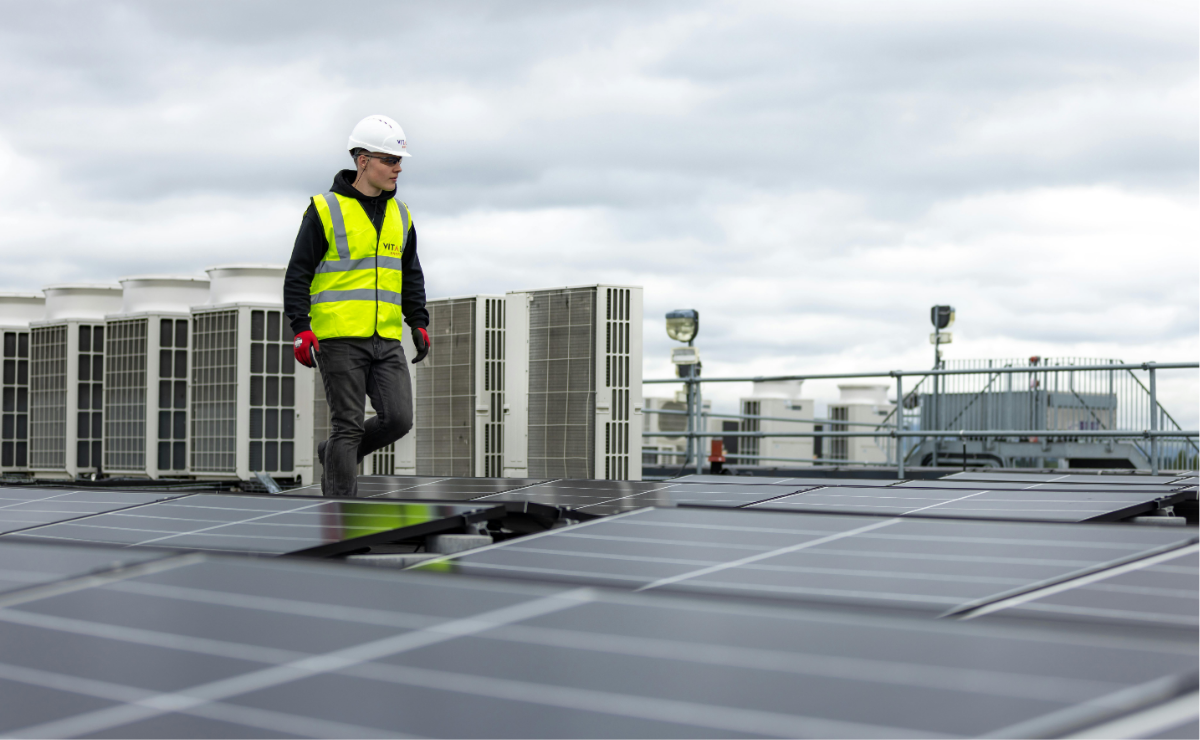
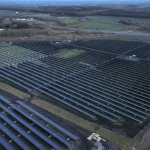
A major new solar farm in Lincolnshire has been approved by the government, in a move expected to power hundreds of thousands of homes and support over a thousand jobs.
The Tillbridge Solar Farm, developed by an unnamed company, could create around 1,250 jobs and generate enough clean energy to supply hundreds of thousands of British households.
The project is part of the government’s wider plan to make the UK a “clean energy superpower.”
This marks the 17th nationally significant clean energy project approved since July 2024. Together, these developments are projected to generate enough electricity to power the equivalent of more than 7.5 million homes, contributing to national energy security and the transition to renewable power.
The government emphasised its focus on both rooftop and ground-mounted solar. It stated that families could save around £500 a year by installing rooftop panels, while communities hosting larger solar projects could benefit from new funding opportunities.
A consultation is currently underway to make such community benefits mandatory, allowing investment in local initiatives such as education programmes, sports facilities, or transport improvements.
Developers behind the Tillbridge project have pledged to ensure that local residents share in the benefits.
Energy Minister Michael Shanks said: “Families across Lincolnshire and the rest of the country have seen their energy bills go through the roof as a result of our exposure to volatile gas prices.
“Solar is one of the cheapest and quickest power sources we can build, it is crucial in our mission to make Britain a clean energy superpower – giving us energy security, good jobs and growth across the country.”
The government said the expansion of solar power will help protect consumers from the volatility of global gas markets, with gas prices still around 75% higher than before Russia’s invasion of Ukraine.
It argued that boosting homegrown renewable energy is the most effective way to shield households and businesses from future price shocks.